
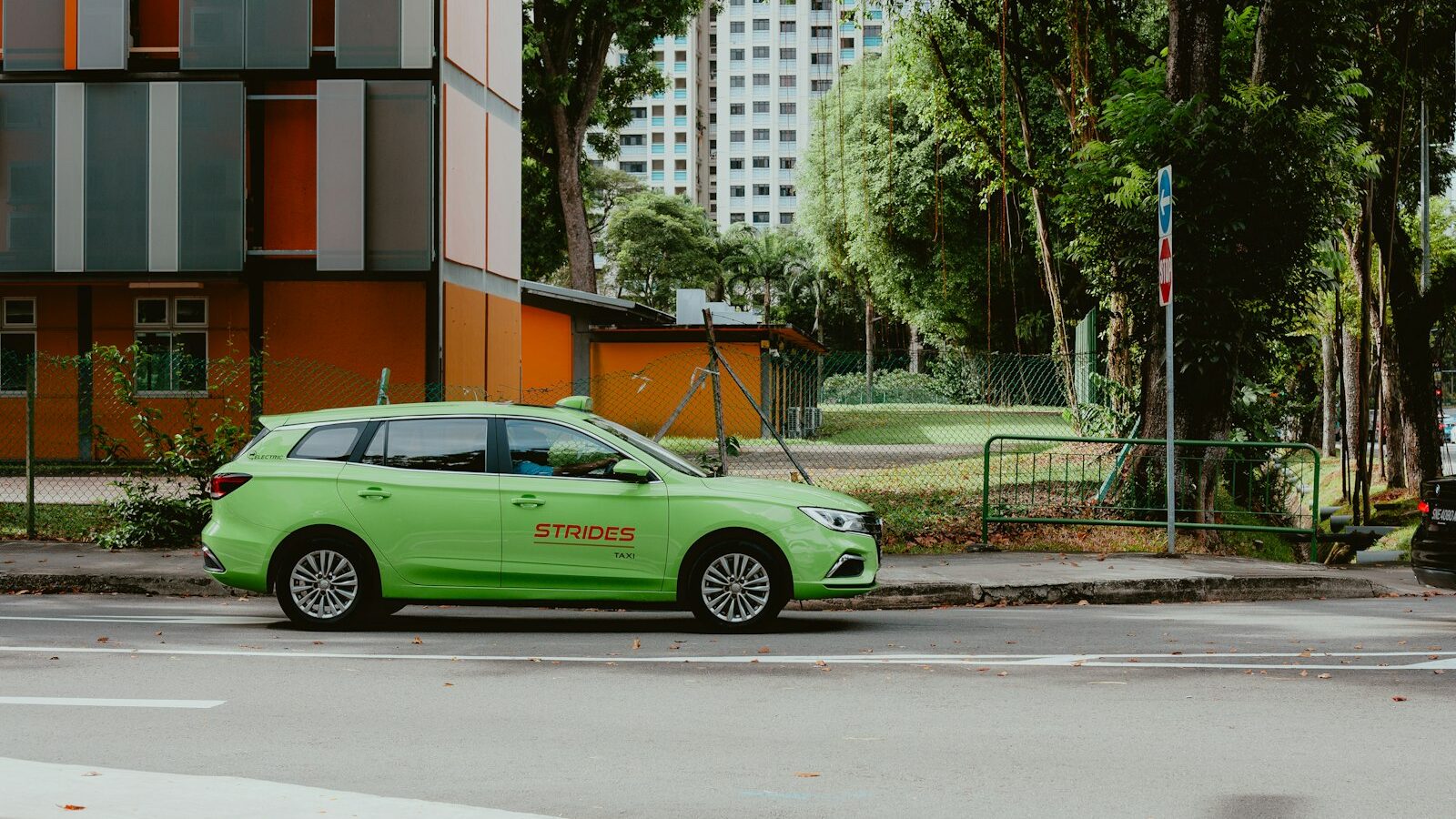
Buying a used EV can be a smart move in Singapore, where a car’s cost is dominated by the COE and where electric running costs are appealing. But an electric car is not just a petrol car with a battery bolted on. The most valuable and least visible part is the battery pack, and a used EV needs a different checklist from the used petrol cars most of us grew up with. This guide walks through the key things to verify, from battery health to warranty, charging history, and the COE and depreciation maths, so you can shop with your eyes open.
This is general information to help you ask better questions, not financial, legal, or mechanical advice. Prices, COE levels, rebates, and scheme rules change constantly, so always confirm current figures with the official sources before you commit.
Check the Battery State of Health
The battery is the heart of any EV and usually its most expensive component, so its condition matters more than almost anything else. The key concept is state of health, often written as SoH. It describes how much of the battery’s original capacity remains after years of use and charging. A pack that has degraded will simply not hold as much charge, which means less range on a full charge than when the car was new.
Some degradation over time is completely normal and expected. What you want to avoid is a pack that has aged unusually fast. When looking at a used EV, try to establish the battery’s real-world condition rather than trusting the odometer alone:
- Ask for a state-of-health readout. Many EVs can display battery health through the car’s own menus or a diagnostic tool. A reputable seller or workshop should be able to show you this.
- Compare quoted range to the original. If a car that once did a certain range now falls well short even on a full charge in normal conditions, ask why.
- Consider how it was charged. Frequent DC fast charging and habitually charging to 100 percent and running to empty can age a pack faster than gentle daily charging. More on history below.
- Factor in our climate. Constant tropical heat is harder on batteries than a temperate climate, which is one reason an independent check is worth it here.
If the seller cannot or will not show you the battery’s health, treat that as a reason for caution, not something to shrug off.
Confirm the Remaining Warranty
EV batteries usually come with a separate, longer manufacturer warranty than the rest of the car, often covering the pack for a set number of years or distance and against dropping below a certain capacity. For a used buyer this warranty is one of the most valuable things you can inherit, because it is your protection against the worst case of a failing pack.
Before buying, establish exactly what is left:
- How much battery warranty remains, in both time and distance, and when it started.
- Whether it transfers to you as a second owner, since some warranties have conditions.
- What it actually covers, for example outright failure versus capacity falling below a stated threshold.
- What could void it, such as non-approved repairs or modifications.
Get these answers in writing from the seller or, better, confirm them with the marque’s authorised distributor. A car still comfortably inside its battery warranty carries far less risk than one just outside it, and that difference should be reflected in the price and in your peace of mind.
Review the Charging and Service History
With a petrol car you scrutinise the service book. With an EV you care about that too, but you also want a picture of how the car was charged and looked after. Charging habits shape battery life, and service records tell you the car was maintained by people who understand EVs.
Ask about and look for:
- Typical charging pattern. Mostly gentle AC charging at home or work is kinder to a battery than a life of constant DC fast charging on the road.
- Charging behaviour. Regularly topping up within a moderate range is generally gentler than routinely running from empty to 100 percent.
- Service records. EVs still need servicing: brakes, tyres, coolant systems, cabin filters, and software updates. A documented history is reassuring.
- Accident and repair history. A damaged battery tray or underbody is a serious concern, so ask whether the car has been in any collision.
- Software and recalls. Check that any outstanding recalls or important updates have been addressed by an authorised centre.
A car with clear, consistent records is worth more than a cheaper one with an unknown past, especially when the battery is the big-ticket item.
Understand COE, Depreciation, and Running Costs
In Singapore the COE dominates the cost of any car, and a used EV is no different. What you are really buying is the remaining COE life plus the car itself. Work out how many years of COE are left and what happens at the end of that period, since renewing a COE is a major cost decision in its own right.
Rather than fixating on the sticker price, think in terms of depreciation, which is roughly how much value the car loses each year you own it. A car with a healthy battery, transferable warranty, and a sensible amount of COE left may depreciate more gently than a cheaper one that is nearly out of warranty or COE. Do the sums over how long you actually intend to keep it.
Because rates and incentives shift, do not rely on any figure you read second-hand. Check the current position yourself:
| What to check | Where to confirm |
|---|---|
| Remaining COE and renewal rules | LTA OneMotoring |
| Road tax for the specific EV | LTA OneMotoring |
| Any EV rebates or scheme details | The official scheme and LTA |
| Battery warranty terms | The marque’s authorised distributor |
| Insurance cost and excess | Your chosen insurer |
Running costs are where EVs often shine, since electricity is usually cheaper per kilometre than petrol and there are fewer moving parts to service. But budget realistically for tyres, insurance, and your own charging setup, whether that is a home or condo point or reliance on public chargers.
Get an Independent Inspection Before You Commit
Even a careful buyer cannot see inside a battery pack or verify everything from a test drive. The most important step in buying a used EV is to have it inspected by a qualified, EV-capable workshop or an established inspection service before money changes hands.
A proper inspection can assess the battery’s health with the right tools, check for signs of past accident damage or water ingress, verify that safety systems and software are healthy, and give you a neutral second opinion on the car’s overall condition. Pair that with your own test drive, where you check that it charges normally, drives smoothly, and shows no warning lights.
Buying a used EV rewards patience. Verify the battery’s state of health, confirm what warranty transfers to you, understand the charging and service history, do the COE and depreciation maths using official figures, and never skip an independent inspection. Get those right and a used EV can be a genuinely sensible way to go electric in Singapore. Rush them, and the one part you cannot easily replace could become an expensive surprise.
Related across Sky Media: Buying a Used Car as a Newcomer in Singapore · How to Buy Used Tech Safely