
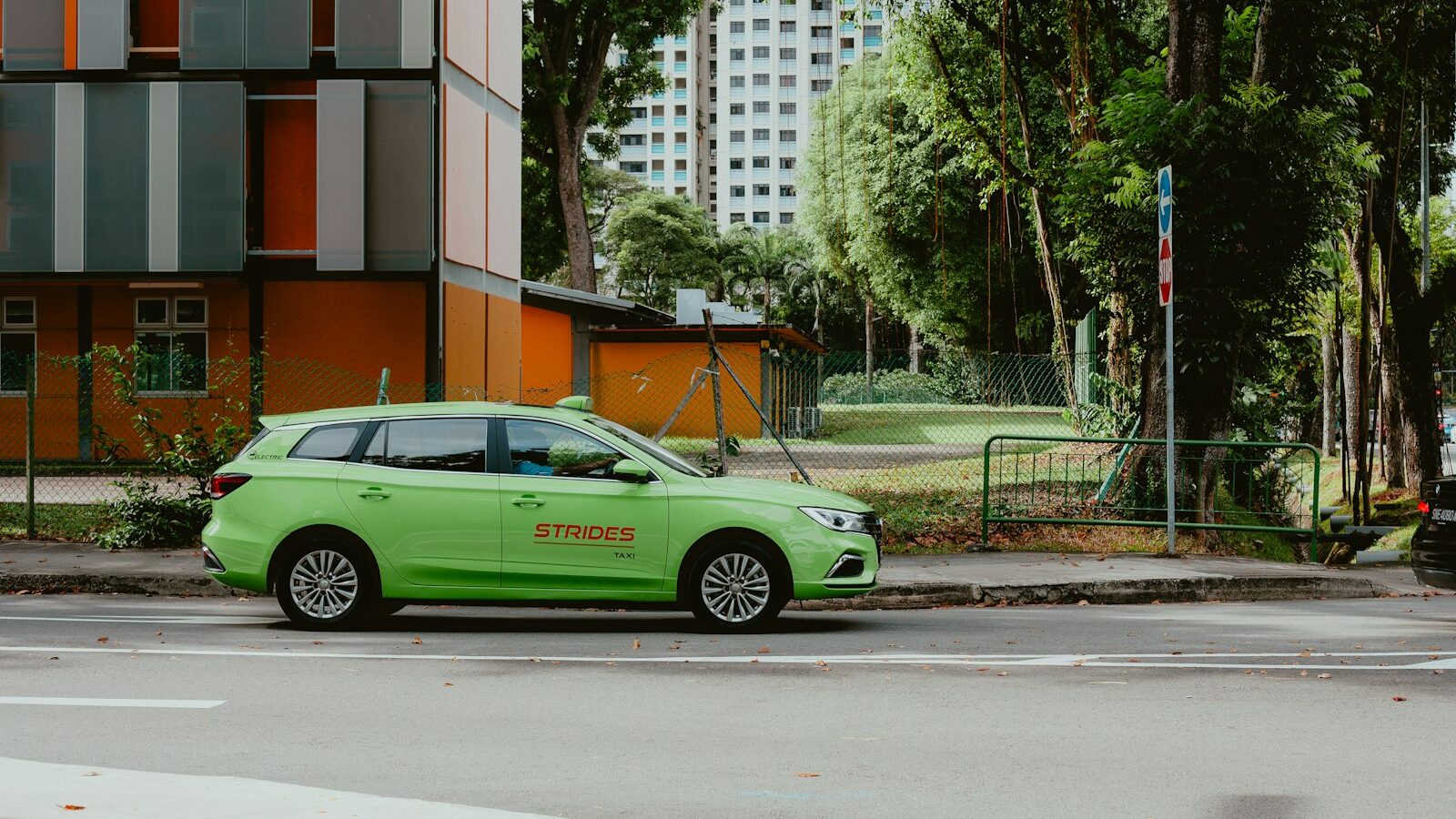
Waking up to a full battery is the quiet luxury of electric driving, and it is why so many owners look into a home EV charger in Singapore soon after collecting their car. Charging at home means you skip the queue at public stations, you top up overnight on off peak habits, and you start most mornings ready to go. The catch is that a home setup is not simply a matter of buying a box and plugging it in. Where you live, who owns the wall, and who wires it all matter a great deal. This guide walks through the sensible decisions so you can plan with confidence and avoid costly missteps.
Why Home Charging Suits Most Owners
For daily commuting around the island, home charging covers the bulk of what most people need. You plug in when you get back, the car sips power quietly through the night, and you leave with a comfortable buffer. That rhythm removes range anxiety far more effectively than chasing the fastest public charger, because you rarely arrive anywhere near empty.
Home charging also tends to be gentler on the battery than frequent rapid charging, and it lets you take advantage of whatever electricity plan you are on. You still keep public and workplace charging in your back pocket for longer trips, including a run up to Malaysia, but the home point becomes your anchor. The question then becomes what kind of point to install and how to get it approved.
Socket Charging Versus a Wallbox
There are broadly two ways to charge at home. The first is a normal power socket, sometimes called slow or trickle charging, using a portable cable. The second is a dedicated wall mounted unit, commonly known as a wallbox, that is fixed and wired specifically for the car.
A socket is the cheapest way to begin because you may already have an outlet near your parking space. It draws modest power and charges slowly, which is fine if your daily mileage is light and the car sits for many hours. The downside is that ordinary sockets and household circuits are not designed for the sustained, heavy load of car charging over long stretches, so this route needs a proper check before you rely on it.
A wallbox is purpose built for the job. It is installed on a dedicated circuit with its own protection, delivers power faster and more steadily, and usually adds safety and convenience features such as scheduling and access control. It costs more upfront and always needs professional installation, but for most owners it is the more comfortable long term choice.
| Consideration | Normal socket charging | Dedicated wallbox |
|---|---|---|
| Setup cost | Lower if an outlet already exists | Higher, includes the unit and wiring |
| Charging speed | Slow, best for overnight top ups | Faster and steadier |
| Suitability for heavy load | Limited, needs careful assessment | Designed for sustained charging |
| Installation | Still needs an electrician to verify | Always professionally wired |
| Everyday convenience | Basic | Scheduling, safety features, tidy fixed cable |
Understanding AC Charging Levels
Home charging is almost always AC charging, where the car’s onboard charger converts the supply for the battery. You will see slower AC charging described as a lower level, typical of a socket, and faster AC charging from a wallbox as a higher level. The exact speed you get depends on your car’s onboard charger and the supply your home can safely provide, which is why two households can install similar units yet charge at different rates.
Rapid DC charging, the very fast kind you see at some public stations, is a different technology and is not what you install at home. For planning purposes, treat home charging as the steady overnight partner and public rapid charging as the occasional top up on long days. Avoid fixating on precise speeds quoted online, because your real world rate hinges on your specific car, cable and electrical supply. A licensed electrician can tell you what your premises can support.
Getting Approval Where You Live
This is the step people underestimate, and it varies completely by housing type. Sorting it early saves you from buying a unit you cannot legally install.
- HDB carparks: home style charging in HDB carparks is governed by the relevant authorities and the operators managing the carpark. You cannot simply run a cable from your flat to a lot. Check the current process and any approved schemes through the official channels rather than assuming, as arrangements and eligibility evolve.
- Condominiums: the shared carpark is common property, so installation needs your management corporation, the MCST, to approve it. Councils often have their own rules on where units can go, how the wiring is routed, how you are billed for electricity, and who bears liability. Approach the council early and get written approval before committing.
- Landed homes: you have the most freedom here since the parking and supply are usually yours, but you still need the work done correctly and safely within your home’s electrical capacity.
In every case, confirm the rules with the authority or party that owns or manages the parking. Requirements, application steps and available schemes change over time and should be verified through the official sources rather than word of mouth.
Why a Licensed Electrician Is Non Negotiable
Car charging is a heavy, sustained electrical load, and doing it safely is a job for a qualified professional. Always engage a licensed electrician to assess your supply, size the circuit, fit the correct protection, and certify the work. This is not the place for a do it yourself approach or an unlicensed handyman.
A proper assessment covers whether your existing supply can handle the extra demand, whether the circuit needs upgrading, how the cable will be routed and protected, and what safety devices are required. Good installers also handle or advise on the approvals above and will not proceed until the paperwork is in order. Treat any quote that skips the site assessment or the licensing question as a red flag.
What to Look For in a Charger
Once the practicalities are settled, choosing the unit itself becomes easier. Focus on fit rather than headline features.
- Compatibility: make sure the connector and the unit suit your car and the supply your electrician confirms.
- Weather resistance: home points are often semi exposed, so a unit rated for the local climate and rain matters.
- Safety features: built in protection and fault detection are worth prioritising over flashy extras.
- Scheduling and access: timers let you charge during quieter hours, and access control is useful in shared settings.
- Support and warranty: buy from a reputable supplier who can service the unit and honour the warranty locally.
Set a realistic budget that includes the unit, the wiring, any supply upgrade, and the installation itself, not just the box on the shelf. Get an itemised quote so there are no surprises. With the right approvals, a licensed electrician and a sensibly chosen unit, home charging becomes the effortless routine that makes electric driving genuinely relaxing.
Explore more
If you are weighing up the wider ownership picture, read our guide to EV battery health and longevity so your charging habits protect the battery. For days you charge away from home, see public EV charging networks, and if you are still deciding on the car itself, compare a plug in hybrid with a full electric before you commit.