
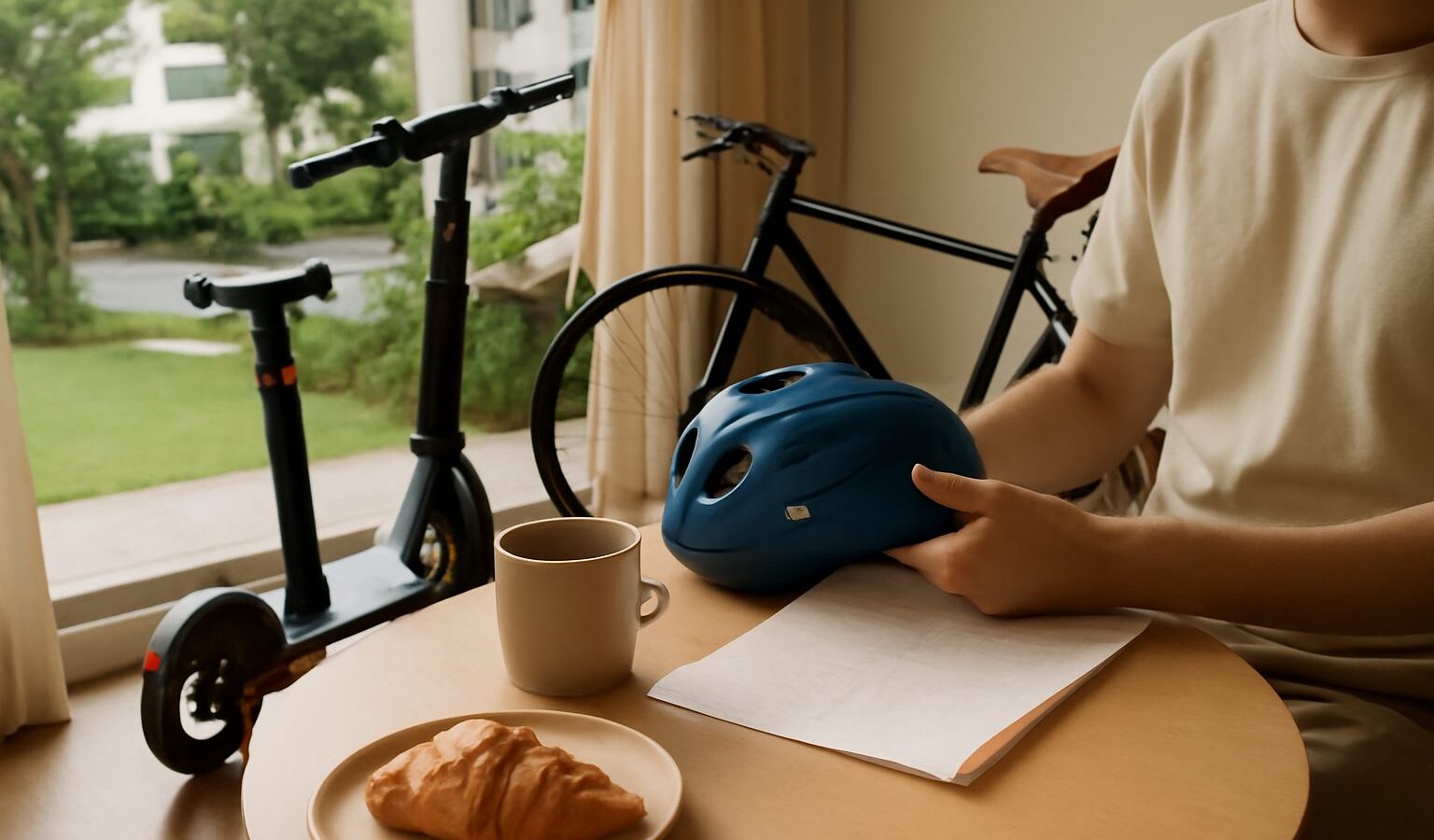
Getting around on two wheels can make Singapore feel smaller and friendlier, whether you cycle to the MRT, ride along the park connectors at the weekend, or use a personal mobility device for short trips. Before you buy, though, it pays to understand the bicycle and PMD rules, because Singapore regulates where these devices can go, which ones must be registered, and how fast you may travel. The framework comes mainly from the Land Transport Authority under its active mobility rules, and the details do change, so this guide gives you the shape of the system and points you to the LTA for the latest specifics.

Knowing the Types of Devices
Singapore draws clear lines between different devices, and the rules follow those lines. If you have just arrived from mainland China, where shared bikes and electric scooters are everywhere, note that the categories and permissions here are stricter and more clearly separated.
- Bicycles, including pedal-assist power-assisted bicycles that meet LTA standards, are the most flexible and widely accepted.
- Personal mobility devices (PMDs), such as electric scooters, are more tightly controlled, must meet safety standards, and face limits on where they can be ridden.
- Personal mobility aids, such as mobility scooters used by those with genuine mobility needs, sit in their own category.
Because a device that looks similar to one you used back home may fall into a different legal class here, always confirm the exact category and current requirements with the LTA before buying, especially for anything motorised.
Where You Can Ride
Singapore separates its paths so that pedestrians, cyclists and device users can share space more safely. In broad terms, the network includes footpaths, shared paths, cycling paths and the popular park connectors that link neighbourhoods and parks across the island.
The key idea is that different devices are allowed on different paths, and speed limits differ by path type. Bicycles generally have the widest access, including some roads, while PMDs such as e-scooters are restricted to a narrower set of paths. Riding a motorised device where it is not allowed, for example on a road or a path meant only for pedestrians, can lead to penalties.
A few habits keep you on the right side of the rules and make journeys smoother:
- Give way to pedestrians, who have priority on shared paths.
- Keep to the stated speed limits, which are lower near pedestrians.
- Dismount and push where signs require it, such as certain crowded or narrow stretches.
- Use bells or a polite call to warn people before you pass.
Because path classifications and speed limits are reviewed periodically, check the current LTA active mobility guidance and any signs on the path itself rather than assuming the rules match another city.
Registration, Standards and Insurance
This is where newcomers most often trip up. Certain devices must be registered with the LTA before they are used in public, and registered devices carry a registration mark. E-scooters in particular fall under registration requirements, and using an unregistered device where registration is required is an offence.
Motorised devices must also meet safety standards, covering things like weight, width, maximum speed and fire safety for the battery. Devices that fail these standards, or that have been modified to go faster, are not allowed. When buying, choose a compliant model from a reputable retailer and keep the paperwork.
| Point to check | Bicycles | E-scooters and PMDs |
|---|---|---|
| Registration with LTA | Generally not required | Required for the classes LTA specifies |
| Device standards | Basic roadworthiness and lights at night | Must meet LTA safety criteria, no illegal modifications |
| Where allowed | Widest access, including some roads | Restricted to permitted paths only |
| Common newcomer mistake | Riding without lights after dark | Buying a non-compliant or unregistered device |
Because the exact list of devices that must be registered, the standards they must meet, and any insurance expectations are all set by the LTA and updated over time, verify the current position on the LTA website before you buy. Do not rely on what a device could do legally in another country.
Riding Safely and Avoiding Fines
Safety and the law point in the same direction here. The rules exist largely to protect pedestrians and riders on shared paths, so riding sensibly usually keeps you compliant as well.
Sensible basics include:
- Wear a helmet, which is expected for some devices and simply wise for all of them.
- Fit lights and reflectors so you are visible when riding at night.
- Ride at safe, legal speeds, slowing right down around people, children and pets.
- Never ride under the influence of alcohol, and keep both hands free to control the device.
- Do not carry passengers on a device built for one, and do not use your phone while riding.
Penalties for breaking the active mobility rules can be significant. Offences such as riding a non-compliant or unregistered device, speeding, riding where the device is banned, or reckless riding that endangers others can attract fines and, in serious cases, harsher consequences. Because these penalties are set by law and can be increased, treat any figure you hear informally with caution and check the current penalties with the LTA.
If you plan to use shared bicycles or e-scooters from a rental operator instead of buying, the same road and path rules apply to you as a rider. Park shared devices only in designated areas, as leaving them blocking paths can result in penalties for the operator and inconvenience for everyone.
Choosing What to Buy
Once you understand the rules, choosing a device becomes much easier. For most newcomers, a good bicycle is the simplest, most flexible option: it needs no registration in ordinary cases, has the widest path access, and is cheap to run. If you are commuting a short, flat distance to a station, a foldable bicycle that you can bring onto public transport during permitted hours may suit you well.
If you are set on a motorised PMD, buy only a compliant, registrable model from a trusted retailer, register it as required, and factor in the cost of a good helmet and lights. Test the device, check the battery is genuine and undamaged, and keep all documentation in case you need to prove compliance later.
Above all, ride as a considerate guest on shared paths. Singapore’s active mobility network works because most people give way, slow down and look out for one another. Follow that spirit, keep up with the current LTA rules, and two wheels can become one of the nicest ways to enjoy the city.
Explore more
Deciding where to ride often starts with where you live, so see our guide to choosing which neighbourhood to live in and our first 30 days in Singapore plan. If a device or key ever goes missing, replacing lost cards, keys and documents can help you sort it out.
Official sources: Land Transport Authority (LTA)
Further reading: Where to Get Your Bicycle Repaired in Singapore