
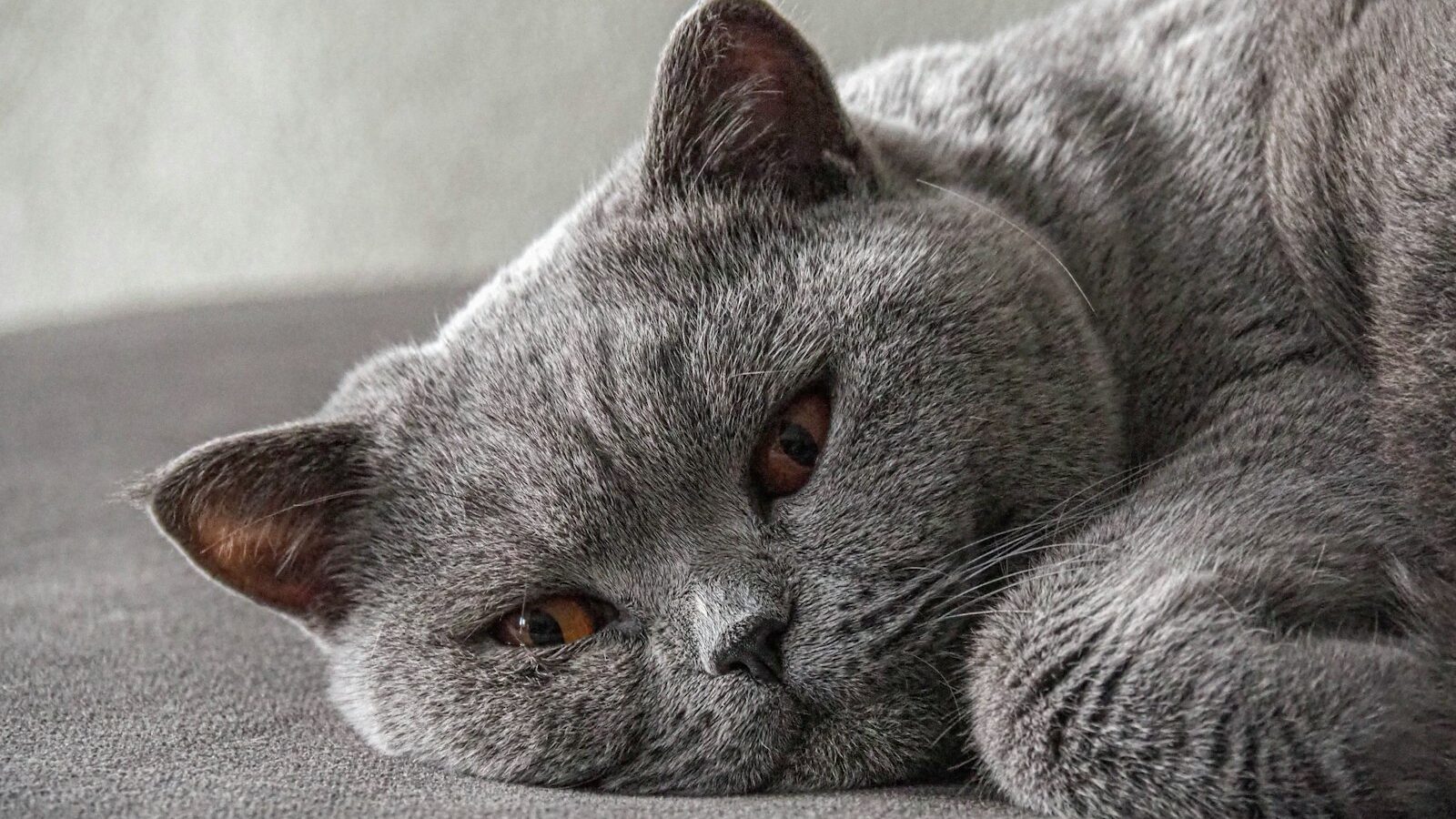
With a shimmering blue-grey coat and striking green eyes, the Russian Blue has an elegant, almost regal look. Owning a Russian Blue cat in Singapore appeals to many people who want a quiet, gentle, and clean companion for flat living. This breed is often low-drama and easy to keep, but no cat is truly no-maintenance, and there are still things worth knowing before you commit. This guide gives you a balanced picture of temperament, grooming, health, and comfort in our climate.

Temperament and Home Life
Russian Blues are known for being gentle, reserved, and deeply loyal to their families. Many are shy with strangers and prefer a calm, predictable home, warming up slowly but bonding strongly once they trust you. They are intelligent and playful in a quiet way, often enjoying a good game of fetch or a puzzle toy without the constant demands of some more boisterous breeds.
Because they can be sensitive to noise and change, they tend to do best in steady households. They are often described as clean, tidy cats that appreciate a spotless litter tray and a settled routine. If you are still comparing options, our guide to choosing a cat or kitten in Singapore can help you weigh temperament against your lifestyle, and it is always worth considering adopting rather than buying.
The Famous Coat and Its Care
The Russian Blue’s short, dense double coat is plush and stands out slightly from the body, giving it that soft, velvety look. The good news for busy owners is that it is fairly low-maintenance. Weekly brushing is usually enough to remove loose fur, keep the coat glossy, and cut down on shedding around the home. Many owners enjoy this as a bonding routine rather than a chore.
Round out grooming with regular nail trims, occasional ear checks, and ongoing dental care, which is easy to overlook but important for long-term health. Baths are rarely needed for a healthy Russian Blue.
Here is a quick at-a-glance summary for owners in Singapore.
| Care area | What to expect | Owner effort |
|---|---|---|
| Temperament | Gentle, reserved, loyal | Easy, likes calm homes |
| Grooming | Weekly brushing | Low |
| Shedding | Moderate, helped by brushing | Low |
| Dental and nails | Regular routine care | Low but consistent |
| Weight | Keep lean, avoid overfeeding | Ongoing |
| Heat management | Aircon, shade, fresh water | Important year-round |
Health and Wellbeing
Russian Blues are generally regarded as a hardy, healthy breed without a signature genetic condition, which is part of their appeal. That said, no cat is immune to health problems. Like all cats they can face concerns such as dental disease, urinary issues, and weight gain, and this breed in particular can be prone to putting on weight, partly because they love their food. Keeping portions sensible and encouraging play helps a lot.
This is general information and not veterinary advice. Any concern about your cat’s health, appetite, litter habits, or behaviour should be checked by a licensed vet who can examine and diagnose your individual cat. Line up a trusted vet early using our guide to choosing a vet in Singapore, and know where your nearest emergency vet care is before you need it. If your cat ever shows trouble breathing, collapses, or stops eating or drinking, treat it as an emergency and get to a vet at once.
Feed a complete, balanced diet suited to your cat’s life stage, introduce changes gradually, and keep toxic human foods such as chocolate, onion, garlic, grapes, and caffeine well out of reach.
Comfort and Safety in a Singapore Flat
Russian Blues are content indoor cats, which suits flat and condo living well. Singapore stays warm and humid all year, so give your cat cool spots to rest such as tiled floors and shaded corners, keep fresh water available, and run a fan or aircon during the hottest hours. That dense double coat means they can feel the heat, so watch for signs of overheating like heavy panting or listlessness, and never leave a cat somewhere it can overheat. Our guide on keeping pets cool in Singapore’s heat covers this in more detail.
High-rise safety is essential. Mesh your windows and balcony so a cat cannot slip out or fall, and never leave a cat with access to an open high-rise window. Because Russian Blues can be shy, give them quiet retreats and hiding spots where they can feel safe, especially in a busy home or when visitors come over.
Even a calm cat needs stimulation. Provide scratching posts, climbing spots, and interactive toys to keep this intelligent breed engaged. A steady routine, a peaceful corner to call their own, and plenty of gentle attention will bring out the best in a Russian Blue.
For an easygoing, quiet, and affectionate companion that fits neatly into flat living, the Russian Blue is hard to beat. Choose a responsible source, keep the weight in check, stay on top of dental care, and build a good relationship with your vet, and you will have a loyal friend who rewards your patience with years of devotion.
Frequently Asked Questions
Why is my Russian Blue so shy with visitors? Shyness is typical of the breed, which warms up slowly but bonds strongly once it trusts you. Give it a quiet retreat or hiding spot, and let it approach guests in its own time.
Do Russian Blues put on weight easily? They can, partly because many love their food. Keep portions sensible, encourage play, and ask your vet what body condition is right for your cat. Spreading daily meals into smaller portions and using food puzzles also slows eating and adds some mental stimulation.
How much grooming does a Russian Blue need? Weekly brushing is usually enough to remove loose fur and keep the dense double coat glossy. Add nail trims, occasional ear checks and dental care, since baths are rarely needed for a healthy cat.
Is a Russian Blue a good pick for noisy households? Not ideally. They tend to be sensitive to noise and change and do best in steady, calm homes with a settled routine and a quiet corner of their own. If you do have visitors or children, let the cat choose when to come out and join in.
What toys keep an intelligent Russian Blue entertained? Puzzle toys and games of fetch suit its quiet, playful side, along with scratching posts and climbing spots. Mental stimulation matters even for a calm cat. Rotating a few toys each week keeps them interesting, and short daily play sessions with you add bonding time.