
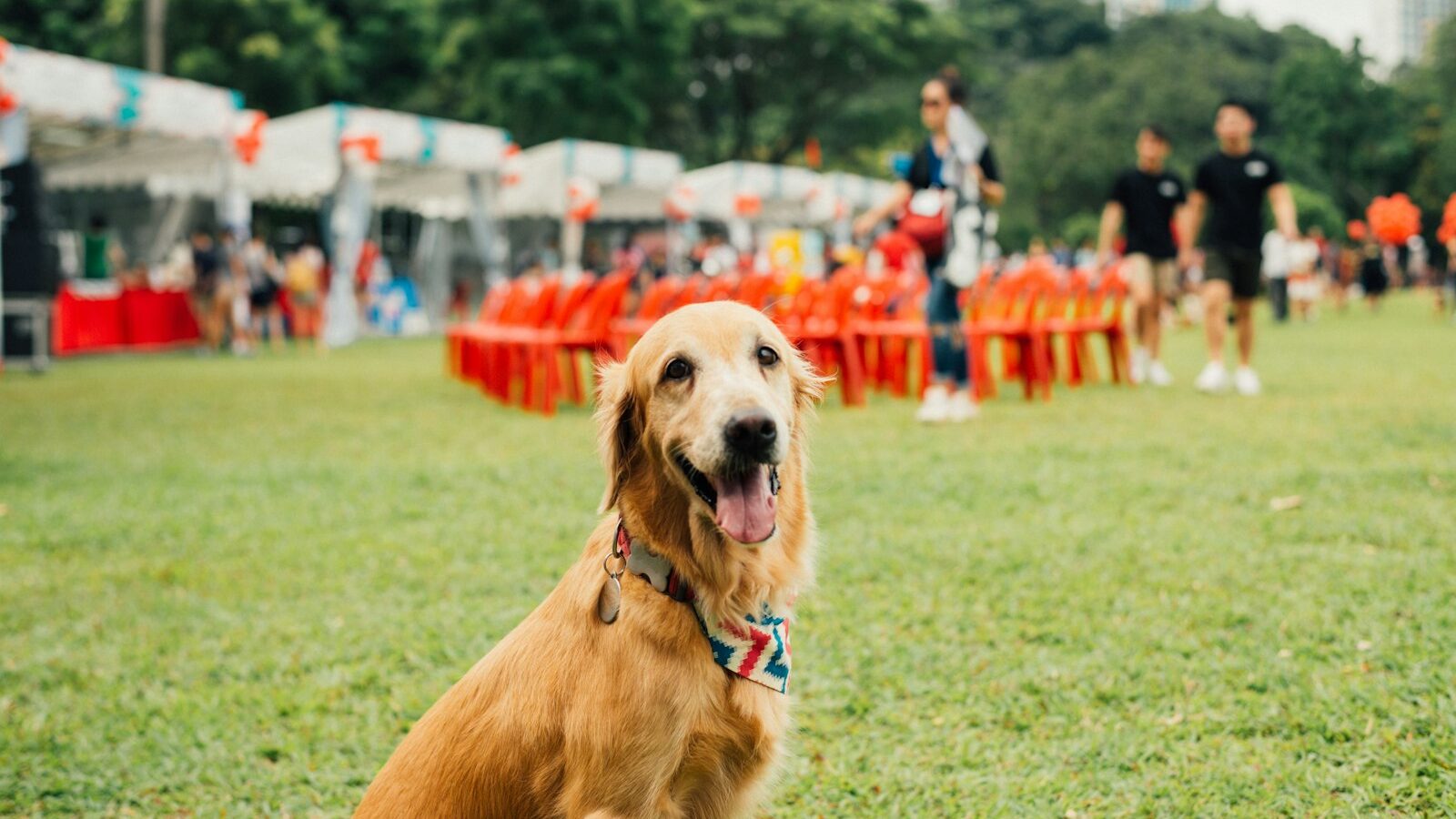
Singapore does not really have seasons, just warm and warmer, and for our animals that steady tropical heat is a daily challenge rather than a summer event. Keeping pets cool in Singapore matters all year round, because a dog, cat or small pet cannot sweat the way we do to shed heat. They rely on us to manage their environment. This guide walks through why the heat and humidity are genuinely dangerous, the practical ways to keep animals comfortable in an HDB flat or landed home, and the red-flag signs of heatstroke that mean it is time to get to a vet fast.
A quick and important note first. This is general care information, not veterinary advice. Every animal is different, and if you have any concern about your pet’s health, or you suspect heatstroke, please consult a licensed vet straight away.
Why The Tropical Heat Is So Hard On Pets
The problem is not just temperature, it is humidity. Dogs cool themselves mainly by panting, which works by evaporating moisture from the tongue and airways. When the air is already thick with moisture, that evaporation slows down, so panting becomes far less effective. On a humid Singapore afternoon a dog can struggle to shed heat even in the shade.
Some pets are at much higher risk than others:
- Brachycephalic (flat-faced) breeds such as Pugs, French Bulldogs, English Bulldogs, Shih Tzus, Boston Terriers and Persian cats. Their shortened airways make panting inefficient, so they overheat quickly and can get into trouble with surprisingly little exertion.
- Very young, senior, overweight or unwell animals, whose bodies regulate temperature less well.
- Thick or double-coated breeds built for cooler climates, such as Huskies, Samoyeds and Golden Retrievers.
- Small pets like rabbits, guinea pigs, hamsters and birds. These are especially vulnerable because a small body heats up fast, and a rabbit or guinea pig suffering in the heat may show very little before it becomes an emergency.
Living in a west-facing HDB flat that bakes in the afternoon sun, or leaving a pet in an unventilated room, can push indoor temperatures higher than many owners realise.
Everyday Ways To Keep Your Pet Cool
Most heat trouble is preventable with a few consistent habits. None of these are expensive or complicated.
- Fresh water, always. Keep multiple bowls topped up around the home, and refresh them often so the water stays cool. Adding a few ice cubes on a hot day is fine. For pets that drink little, a pet water fountain can encourage more sipping.
- Shade and airflow. Make sure there is always a cool, shaded spot away from direct sun. A fan helps move air, and air-conditioning during the hottest part of the day is genuinely useful for high-risk breeds and small pets.
- Cooling mats and cool surfaces. Gel cooling mats, a damp towel to lie on, or simply access to tiled floors give pets somewhere to dump heat. Many dogs and cats will find the coolest tile in the house on their own.
- Walk early or late. Avoid the midday sun entirely. Walk in the early morning or after sunset when it is cooler. Before you set off, press the back of your hand to the pavement for a few seconds. If it is too hot for your hand, it is too hot for paws.
- Mind the small pets. Keep rabbit, guinea pig and hamster enclosures out of direct sun and away from stuffy corners. A ceramic tile or a frozen water bottle wrapped in a towel gives them a cool surface to rest against.
- Do not over-exercise. On hot, humid days, keep play and walks gentle and shorter. Let your pet set the pace and rest often.
Never Leave A Pet In A Car Or Enclosed Space
This one deserves its own line because it is a genuine killer. Never leave a pet in a parked car, not even for a few minutes and not even with a window cracked. A closed car in Singapore can become lethally hot astonishingly fast, and the same danger applies to any sealed, unventilated space such as a carrier left in the sun or a stuffy balcony store. If you cannot take your pet with you when you leave the car, leave your pet at home.
Recognising Heatstroke: A Real Emergency
Heatstroke can turn fatal quickly, so knowing the early signs can save a life. It usually starts with heavy, frantic panting and moves toward more serious signs as the body is overwhelmed.
Red-flag signs that need urgent veterinary attention include:
- Excessive, heavy or frantic panting that does not settle
- Bright red or, later, pale gums and tongue
- Thick, sticky drool
- Weakness, wobbliness, stumbling or collapse
- Vomiting or diarrhoea, sometimes with blood
- Confusion, restlessness or unresponsiveness
- Seizures
If you see these signs, treat it as an emergency. Move your pet to a cool, shaded place, offer small amounts of water if it can drink, and start cooling gently with cool (not ice-cold) water on the body, especially the belly and paws. Then get to a licensed vet immediately, and call ahead so they can prepare. Do not wait to see if it passes. Heatstroke can cause internal damage even after a pet seems to recover, so a vet should always assess it. For after-hours situations, know where your nearest 24-hour clinic is before you ever need it.
Grooming And Coat Myths
A common instinct is to shave a dog down to the skin in hot weather, but for many double-coated breeds this can backfire. Their coat actually insulates against heat and shields skin from sunburn, and shaving it can interfere with how they regulate temperature and how the coat grows back. For these breeds, regular brushing to remove dead undercoat is usually better than shaving. Speak to a professional groomer or your vet about what suits your specific pet, since single-coated breeds and heavily matted coats may be handled differently.
Here is a quick reference for common hot-weather situations.
| Situation | Cooling tip or risk to watch |
|---|---|
| Midday walk in full sun | High burn and heatstroke risk; walk early morning or evening instead |
| Flat-faced breed on a humid day | Overheats fast; keep indoors with fans or aircon, minimal exertion |
| Pet left in parked car | Never do this; can be fatal within minutes |
| Rabbit or guinea pig in a warm room | Vulnerable to heat stress; move to shade, add a cool surface |
| Hot pavement underfoot | Burns paw pads; test with your hand first, walk on grass |
| Heavy panting, drooling, wobbliness | Possible heatstroke; cool gently and get to a vet now |
Building Cool Into Your Daily Routine
Keeping pets cool in Singapore is really about small, consistent choices: water within reach, shade at the ready, walks timed to the cooler hours, and a watchful eye on the breeds and small animals that struggle most. Learn your own pet’s normal breathing and behaviour so you can spot when something is off. When in doubt, cool your pet down and call a vet. It is always better to check early than to wait.
Explore more
For after-hours worries, read our guide to emergency vet care in Singapore so you know where to go before you need it. And to keep walks safe and enjoyable in our climate, see our tips on dog walking and exercise in Singapore.