
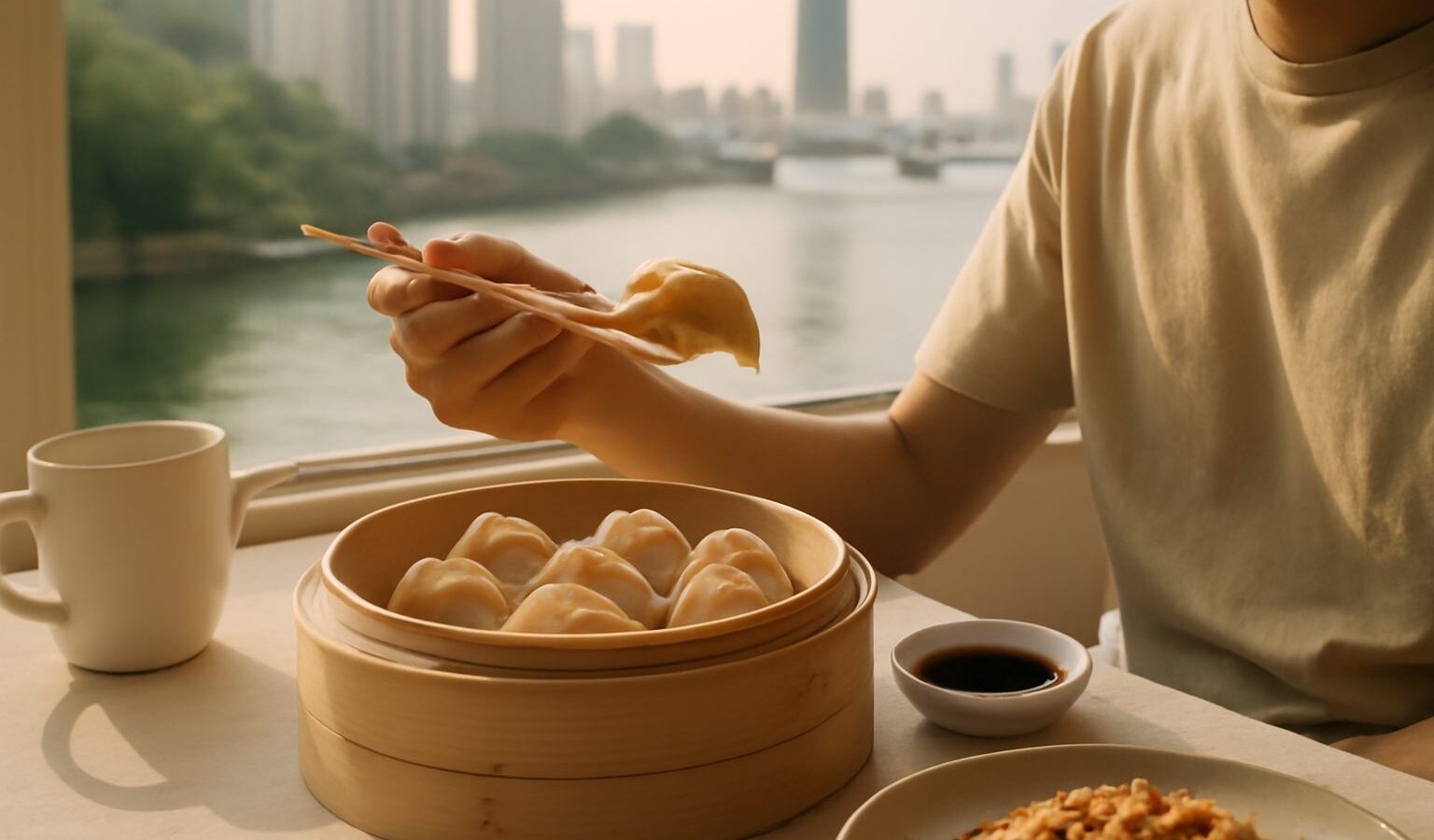
Planning Changsha from Singapore takes a little more thought than the usual Bangkok or Bali hop, and that is exactly why it rewards you. The capital of Hunan province is the spiritual home of numbingly spicy food, the birthplace of modern China’s most famous slogans, and a night-market city that stays up late. For Singaporeans it feels both familiar and foreign: a dense, humid subtropical city with fierce local pride and a food culture worth the flight on its own. This guide covers how to get there, when to go, what to eat and how to plan a sensible trip.
Getting to Changsha From Singapore
Changsha Huanghua International Airport is the main gateway, sitting east of the city. Some seasons see direct flights between Changi and Changsha, but many itineraries connect through a mainland hub such as Guangzhou, Shenzhen or Kunming, so compare both before you book. Allow a full travel day either way once you add transfers and immigration.
If you are already touring southern China, the high-speed rail network is a joy. Changsha South station links to Guangzhou in a couple of hours and to cities across the country, so it is easy to bolt Changsha onto a wider trip. Many Singapore travellers combine it with Guangzhou from Singapore, which makes a natural rail pairing.
On visas and entry, do not rely on hearsay. Rules differ sharply by passport, and a Singapore passport and a China passport can face very different requirements for the same trip. Check China’s official immigration channels and, for Singapore re-entry, ICA, before you book anything.
When to Go and How Many Days
Changsha sits in the Yangtze basin, so summers are hot, sticky and can flood, while winters are grey, damp and colder than the number suggests because of the humidity. The sweet spots are spring and autumn, roughly March to May and September to November, when the air is milder and the mountain views are clearer.
For a focused food and sightseeing trip, three to four days is comfortable. That gives you two days in the city, a slower day for Yuelu Mountain, and a spare day for a museum or a side trip. Pack layers even in the shoulder seasons; leaving the tropics for a damp Hunan evening catches many first-timers out.
| Season | Months | What to expect |
|---|---|---|
| Spring | Mar to May | Mild, some rain, green hills, good all-rounder |
| Summer | Jun to Aug | Hot, very humid, heavy rain possible |
| Autumn | Sep to Nov | Cool, clearer skies, best for mountain views |
| Winter | Dec to Feb | Cold, damp, quieter crowds and lower prices |
Getting Around the City
Changsha has a clean, expanding metro that reaches the airport, the railway stations and most sights, and it is the easiest way in for visitors. Buy a stored-value card or use the local QR-code apps if you can set up mobile payment, since cash is increasingly awkward on the ground.
Ride-hailing is cheap and widely used, which helps late at night when the metro closes. For the riverside and old-street areas, walking is genuinely the best option. Set up a mainland payment app and a working data plan before you arrive, because many everyday transactions assume you have both.
What to See and Do
Start on the water. Orange Isle, the long sandbar in the Xiang River, is the city’s signature sight, anchored by a giant sculpture of a young Mao Zedong and pleasant to walk at dusk. Across the river, Yuelu Mountain rises above Hunan University, and the historic Yuelu Academy at its foot is one of China’s oldest centres of learning. The climb, or the easier cable option, gives you the classic city-and-river view.
Back in town, the Hunan Provincial Museum is a highlight for its Mawangdui tombs and the remarkably preserved Han-dynasty remains found there. For old Changsha, Taiping Old Street keeps a strip of low, timber-fronted shophouses and snack stalls. Modern Changsha shows off at the IFS towers in the commercial core, and the city has become known for photogenic themed complexes and its home-grown milk-tea culture, which locals queue for with real devotion.
What and Where to Eat
Hunan food, or Xiang cuisine, is the reason many people come. It is not just hot; it is layered, sour, smoky and fragrant, and it leans on fresh chillies, fermented flavours and plenty of garlic. Signature dishes worth seeking out include Chairman Mao’s red-braised pork, steamed fish head with chopped chilli, and stir-fried cured pork with vegetables. Stinky tofu, deep-fried and dark, is a Changsha street-food icon that is far tastier than its name suggests.
For an easy introduction, the famous local snack halls bring many of these small plates together in one sitting. Night markets and the streets around Pozi Street are where the city really eats, from grilled skewers to spicy crayfish in season. If you cannot take much heat, say so clearly and ask for milder versions, though genuine Hunan cooking will still have a kick.
Where to Base Yourself
Two areas suit most visitors. The Wuyi Square and Huangxing Road pedestrian district puts you in the retail and nightlife heart, walkable to old streets and snack lanes, and well connected by metro. The Yuelu district across the river is calmer, greener and handy for the mountain, the university and riverside walks, trading some buzz for space.
Accommodation runs the full range, from simple guesthouses to polished business hotels, and mid-range comfort is generally good value compared with Singapore. Book near a metro line and you will not need much else.
Costs, Money and Practical Tips
Changsha is easy on the wallet by Singapore standards, especially for food and transport, though smart hotels and headline attractions cost more. Treat any prices you read online as a rough guide, since rates and fares change.
A few practical notes will smooth the trip:
- Set up mobile payment and a data or roaming plan before you fly, as cards and foreign apps can be hit or miss.
- Little English is spoken outside hotels, so a translation app and screenshots of place names in Chinese help enormously.
- Tap water is not for drinking; stick to bottled or boiled water, and pace yourself on the chilli if your stomach is sensitive.
- Buy travel insurance and check MOH or a travel clinic for current health advice before you go.
- Stay aware of your belongings in crowds and use licensed transport, as you would in any big city.
Changsha will not charm you the way a polished coastal resort does. It wins you over with flavour, energy and a strong sense of place. Line up the flights sensibly, go in a kinder season, and come hungry.
Explore more: Guangzhou from Singapore, Zhuhai from Singapore and Nanjing from Singapore.