
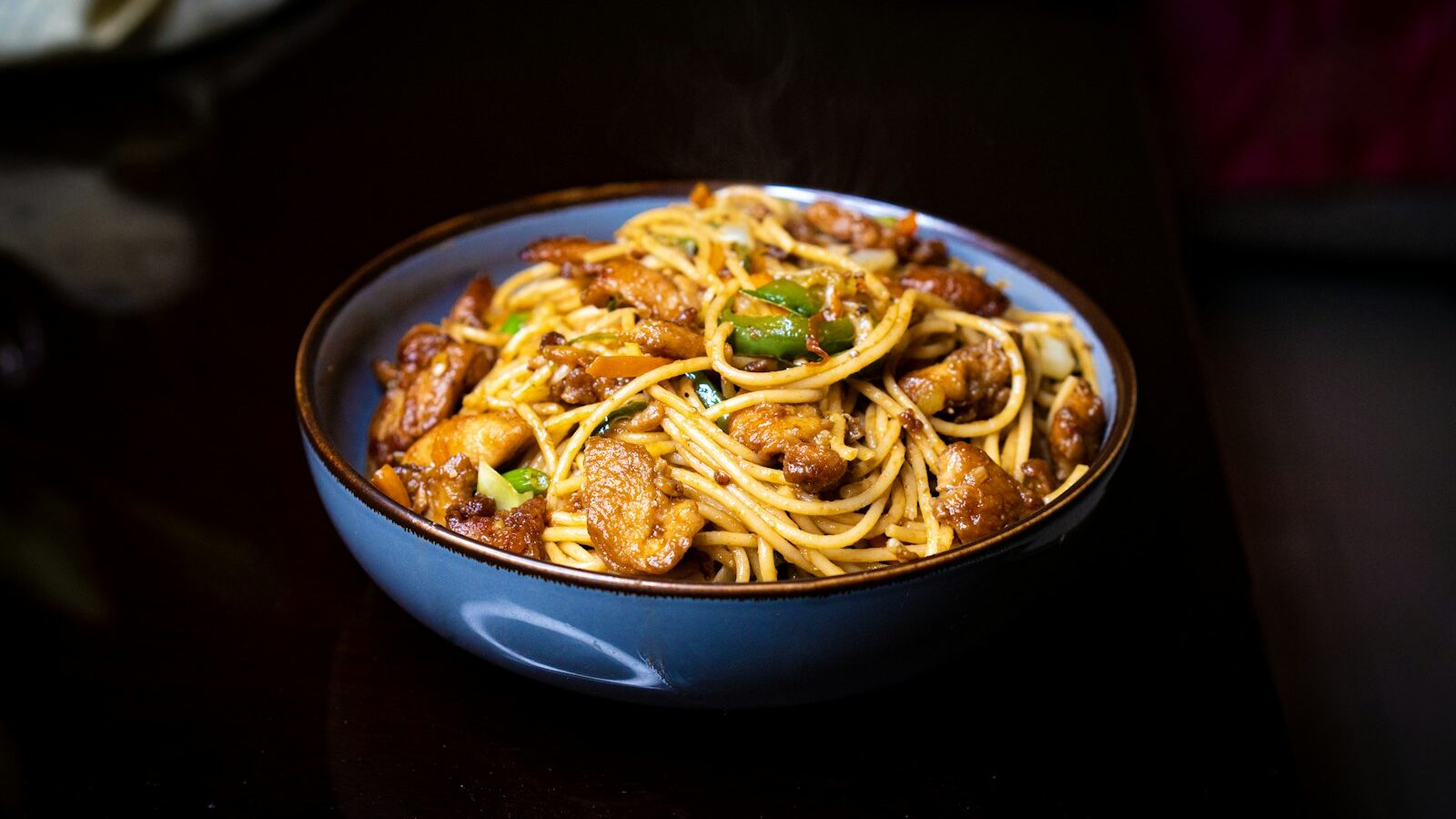
Few plates capture the smoky, savoury heart of hawker cooking quite like char kway teow. If you have wandered past a hawker centre and caught a waft of something dark, sweet and faintly charred, chances are a cook was tossing a batch of these fried flat rice noodles over a roaring flame. This guide walks you through what the dish is, what goes into it, the famous “wok hei” that separates a good plate from a great one, and how to order it like you have been eating it for years.
What is char kway teow?
The name comes from Hokkien and Teochew roots: “char” means stir-fried, and “kway teow” (also spelled kuay teow or kwetiau) refers to flat rice noodles. Put simply, char kway teow is stir-fried flat rice noodles, usually mixed with yellow egg noodles, cooked hard and fast in a searing hot wok with dark and light soy sauce, a handful of savoury add-ins, and a scattering of vegetables.
It is a humble dish with a colourful past. It began as cheap, filling food for labourers who needed energy from carbohydrates and a hit of fat, often fried in pork lard. Today it has evolved into a hawker classic that ranges from richly traditional to noticeably lighter, but the soul of it stays the same: dark, glossy noodles carrying that unmistakable smoky flavour.
The ingredients that make it
A proper plate of fried kway teow is a balance of textures and flavours. The usual line-up includes:
- Flat rice noodles, the wide, slippery base of the dish, often combined with thin yellow egg noodles for contrast.
- Dark soy sauce, which gives the noodles their deep colour and gentle sweetness, balanced with a little light soy for salt.
- Cockles (hum), small blood clams added near the end so they stay plump and just-cooked rather than rubbery.
- Chinese sausage (lap cheong), sliced thin, lending pockets of sweet, cured richness.
- Bean sprouts, tossed in late for a fresh, crunchy bite against the soft noodles.
- Fish cake, sliced into thin rounds for a mild, springy texture.
- Egg, cracked straight into the wok and folded through so it coats the noodles.
- Chinese chives and a touch of chilli paste, which round out the aroma and heat.
Some stalls also add prawns, and many finish with a scattering of crisp lard bits in the traditional style. None of these ingredients is fussy on its own; the magic is in how they come together under high heat.
Wok hei: the breath of the wok
Ask any hawker devotee what makes char kway teow special and you will hear two words: wok hei. It translates loosely as “the breath of the wok,” and it describes the smoky, almost charred aroma that a scorching wok imparts to food cooked quickly over a fierce flame.
Wok hei is not a seasoning you can add from a bottle. It happens when a well-seasoned wok is heated until it is nearly glowing, the ingredients hit the hot metal and caramelise in seconds, and small flare-ups lick the food with flame. That slightly smoky, toasty edge is the signature of a skilled cook, and it is the single biggest reason a freshly fried plate tastes so much better than one left to sit.
A plate with real wok hei smells before it tastes. If the aroma reaches you before the plate does, you are in good hands.
How it is fried
Watching a hawker fry char kway teow is half the pleasure. The process is fast, usually under two minutes per plate, because everything is prepped and within arm’s reach. A typical sequence looks like this:
- The wok is heated until it just begins to smoke, then oil or lard goes in.
- Aromatics such as garlic and chilli paste are fried briefly to release their fragrance.
- The flat rice noodles and egg noodles go in, followed by dark and light soy sauce, and are tossed so every strand takes on colour.
- An egg is cracked in and folded through, along with fish cake and Chinese sausage.
- Bean sprouts, chives and the cockles are added last so they keep their bite and freshness.
- The plate is served immediately, while the wok hei is still alive.
Because the cooking is so quick and hot, most stalls fry one or two plates at a time. That is why a short queue is often a good sign rather than a nuisance.
Traditional versus healthier versions
Classic char kway teow leans on pork lard and crisp lard croutons for its deep, satisfying flavour, and it is generous with dark soy. It is undeniably delicious, and also rich, so it is best enjoyed as a treat rather than an everyday meal.
Many stalls now offer lighter takes. These may use vegetable oil instead of lard, go easier on the sauce, add more bean sprouts and greens for freshness, or leave out the cockles for those who prefer to skip them. A healthier plate trades a little of that decadent depth for a cleaner finish, which some people actually prefer. Neither version is “correct”; it comes down to what you are in the mood for. If you are watching how much you eat of the rich stuff, treat the traditional plate as an occasional indulgence and enjoy it without guilt.
How to order char kway teow in Singapore
Ordering is simple once you know the two questions most stalls will ask or expect you to volunteer:
- With or without cockles (hum)? Cockles are a love-it-or-leave-it ingredient. If you enjoy their soft, briny bite, ask for extra. If they are not for you, just say “no hum.”
- With or without chilli? Char kway teow is traditionally mild but is often fried with chilli paste for a sweet, gentle heat. Ask for less or none if you prefer, or more if you like it spicy.
You can also ask for it less oily or less sweet, and most cooks will happily adjust. If a stall is busy, order, take your queue number or spot, and be ready to collect promptly so your plate arrives while the wok hei is at its peak.
Quick ordering checklist
- Decide on cockles: yes, no, or extra.
- State your chilli preference: none, less, or more.
- Mention “less oil” or “less sweet” if that suits you.
- Have small change ready, as many stalls prefer cash.
- Collect quickly and eat while it is hot.
How to spot a great plate
Once you have tried a few versions of char kway teow singapore has to offer, you will start noticing what sets the best apart. Look for these signs:
- Colour and gloss. A good plate is evenly dark and glossy, not pale or dry, and not drowning in a puddle of sauce.
- Aroma. That smoky wok hei should greet you before the first bite.
- Texture contrast. Soft noodles, springy fish cake, crunchy bean sprouts and plump cockles should each hold their own.
- Balance. Sweet, savoury and smoky should sit in harmony, with no single flavour shouting over the rest.
- Freshness. The best plates are fried to order and eaten straight away, never scooped from a pre-cooked pile.
Trust your nose and your eyes, follow the queues of regulars, and do not be shy about telling the cook how you like it. Half the joy of this dish is finding the plate that tastes just right to you.
Explore more: Must-try hawker food in Singapore and Hawker centre etiquette