
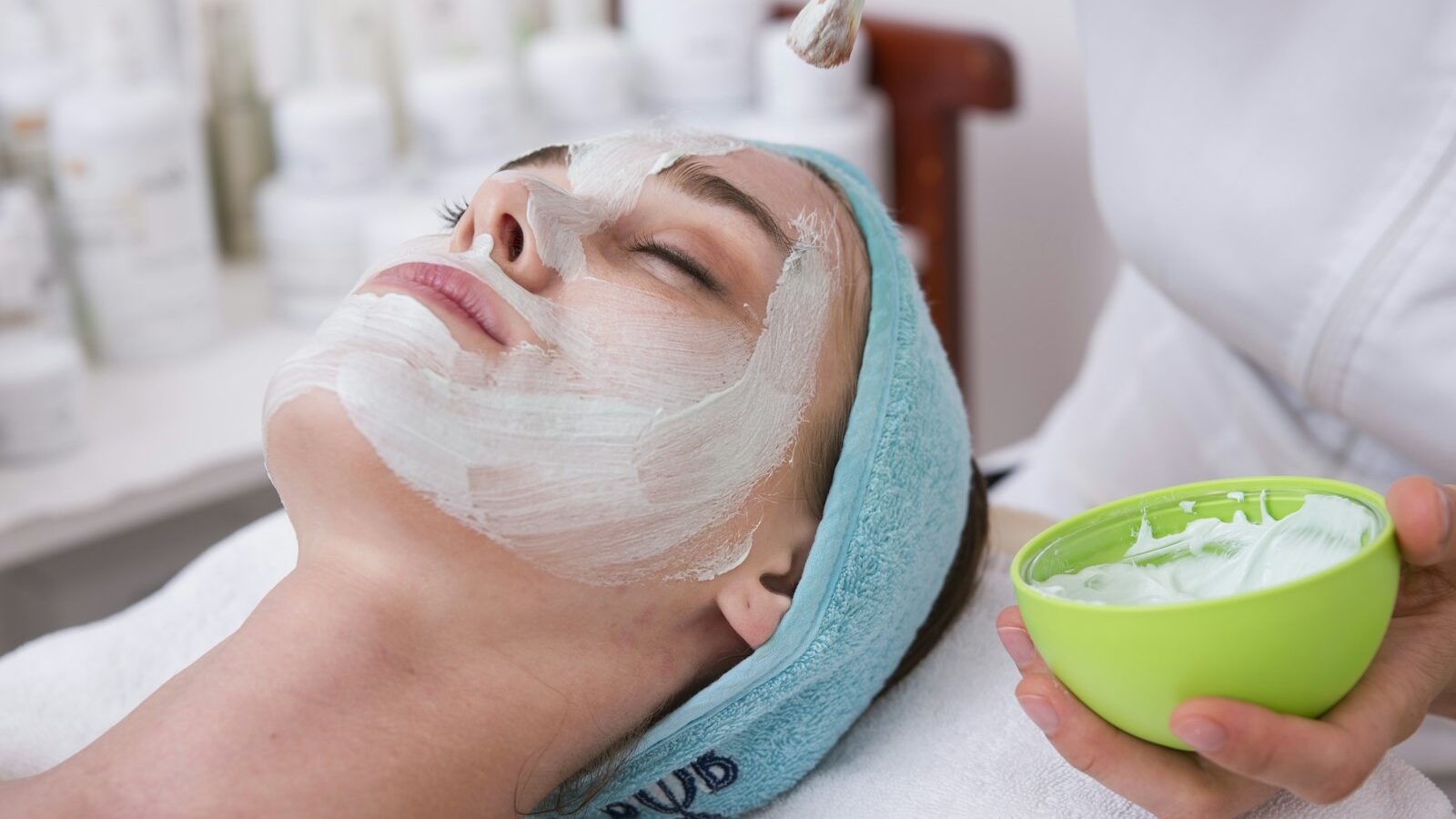
Chemical peels in Singapore are one of the more popular ways to refresh dull skin, soften uneven texture and fade the sort of pigmentation that our sun and humidity encourage. The idea is simple: a solution is applied to the skin to loosen and lift the outer layers, so that fresher skin can surface over the following days. The results, the downtime and the safety, however, depend heavily on the type of peel, the strength used and the hands doing the work. This guide explains how peels work, the main types you will come across here, and what a sensible, safe experience looks like.
This is general information, not personalised medical advice. Skin is individual, and what suits one person may irritate another, so treat the sections below as a starting point for a proper consultation rather than a substitute for one.
How Chemical Peels Actually Work
A peel uses an acid or a blend of acids to break the bonds between skin cells, encouraging the uppermost layers to shed. As the old surface comes away, the skin underneath tends to look brighter and feel smoother, and the process can nudge the skin to produce more collagen over time. Peels are grouped loosely by how deep they act.
- Superficial peels work on the outermost layer only. They are gentle, give a light glow and involve little to no visible peeling. Common examples use glycolic, lactic or mandelic acid.
- Medium peels reach a little deeper and are used for more stubborn pigmentation, fine lines and texture. Trichloroacetic acid, often shortened to TCA, is a familiar one here.
- Deep peels act on deeper layers and are far less common in routine practice. They carry more downtime and more risk, and should only ever be considered under a doctor’s care.
For many people in Singapore, a course of superficial to medium peels spaced a few weeks apart tends to be the realistic path, rather than a single dramatic treatment.
Common Peels You Will See in Singapore
Clinics and medi-spas here offer a range of formulations, sometimes under branded names. Below is a plain comparison of the acids you are most likely to be offered, so you can follow the conversation during a consultation.
| Peel type | Best suited for | Rough depth | Typical downtime |
|---|---|---|---|
| Mandelic acid | Sensitive or reactive skin, first-timers | Superficial | Minimal, light flaking |
| Glycolic acid | Dullness, uneven texture, early lines | Superficial | Low, some dryness |
| Salicylic acid | Oily, congested and acne-prone skin | Superficial | Low, mild peeling |
| Lactic acid | Dryness and gentle brightening | Superficial | Minimal |
| TCA | Pigmentation, texture, deeper concerns | Medium | Moderate, visible peeling |
The right choice depends on your skin type, your concern and your tolerance, which is exactly what an assessment should establish. Be wary of anyone who recommends the strongest option before understanding your history.
What a Session Is Really Like
A responsible peel begins with a consultation, ideally including a look at your skin, your history of sun exposure, any past reactions and the products you already use. Retinoids, exfoliating acids and certain medications may need to be paused beforehand, and a provider should tell you this in advance.
On the day, the skin is cleansed and the solution is applied for a controlled time, then neutralised or removed. You may feel warmth, tingling or a mild sting, which usually settles quickly. Over the next few days you might notice tightness, dryness, some flaking or, with stronger peels, more obvious shedding. It is important not to pick or peel the skin yourself, as this is where scarring and uneven colour often begin.
Here is a realistic sequence for a first, superficial peel:
- Consultation and patch discussion, plus a plan to pause active ingredients.
- The peel itself, typically a short appointment.
- A calm, gentle routine for several days while the skin recovers.
- A review to decide whether to repeat, adjust strength or change approach.
Aftercare in Our Humid Climate
Singapore’s heat, humidity and strong daylight make aftercare more than an afterthought. Freshly peeled skin is more vulnerable to the sun, and pigmentation can rebound or worsen if it is not protected. Broad-spectrum sunscreen, reapplied through the day, is not optional after a peel. Keep the routine simple while the skin settles: a gentle cleanser, a plain moisturiser and sun protection, and hold off on scrubs, strong actives and hot workouts that flush the face until things calm down.
Because sweat and friction are constant here, avoid touching or rubbing the area, and give the skin time rather than rushing back to your full routine. If you experience anything beyond expected dryness and flaking, such as unusual pain, blistering, spreading redness or signs of infection, seek medical attention promptly rather than waiting it out.
Choosing a Safe, Licensed Provider
Peels are cosmetic on the surface but chemical by nature, and stronger ones sit firmly in medical territory. In Singapore, aesthetic treatments and the professionals who perform them are regulated, and medical peels in particular should be assessed and supervised by a qualified doctor. Some products and devices used in clinics fall under the oversight of the Health Sciences Authority, and reputable providers will be transparent about what they use.
Before booking, it is reasonable to:
- Confirm the clinic and the practitioner are properly licensed and registered to perform the treatment.
- Ask who will actually assess your skin and perform the peel, and their qualifications.
- Expect a genuine consultation, not a hard sell, and clear information on realistic outcomes and risks for your skin.
- Be cautious of unusually cheap deals, unlabelled solutions or pressure to buy long packages upfront.
If you have darker or reactive skin, a history of scarring, melasma or cold sores, or you are pregnant or breastfeeding, flag this early, as it changes what is appropriate. A good provider will happily talk you out of a peel that is not right for you.
Setting Sensible Expectations
Peels are a maintenance tool, not a one-off transformation. Superficial peels build results gradually and pair well with a consistent home routine and diligent sun protection. Deeper work does more but asks more in downtime and care. Progress is best judged over a course, with honest before-and-after comparison, rather than after a single visit. If pigmentation is your main concern, peels are usually one part of a broader plan rather than the entire answer.
Explore more
If you are weighing your options, it helps to understand the wider landscape first. Read our overview of aesthetic clinics in Singapore and our guide to dermatologists for medical skin concerns. For everyday care that supports any peel, see skincare for our humid climate, and for gentler pampering, our best facials guide is a good next stop.