
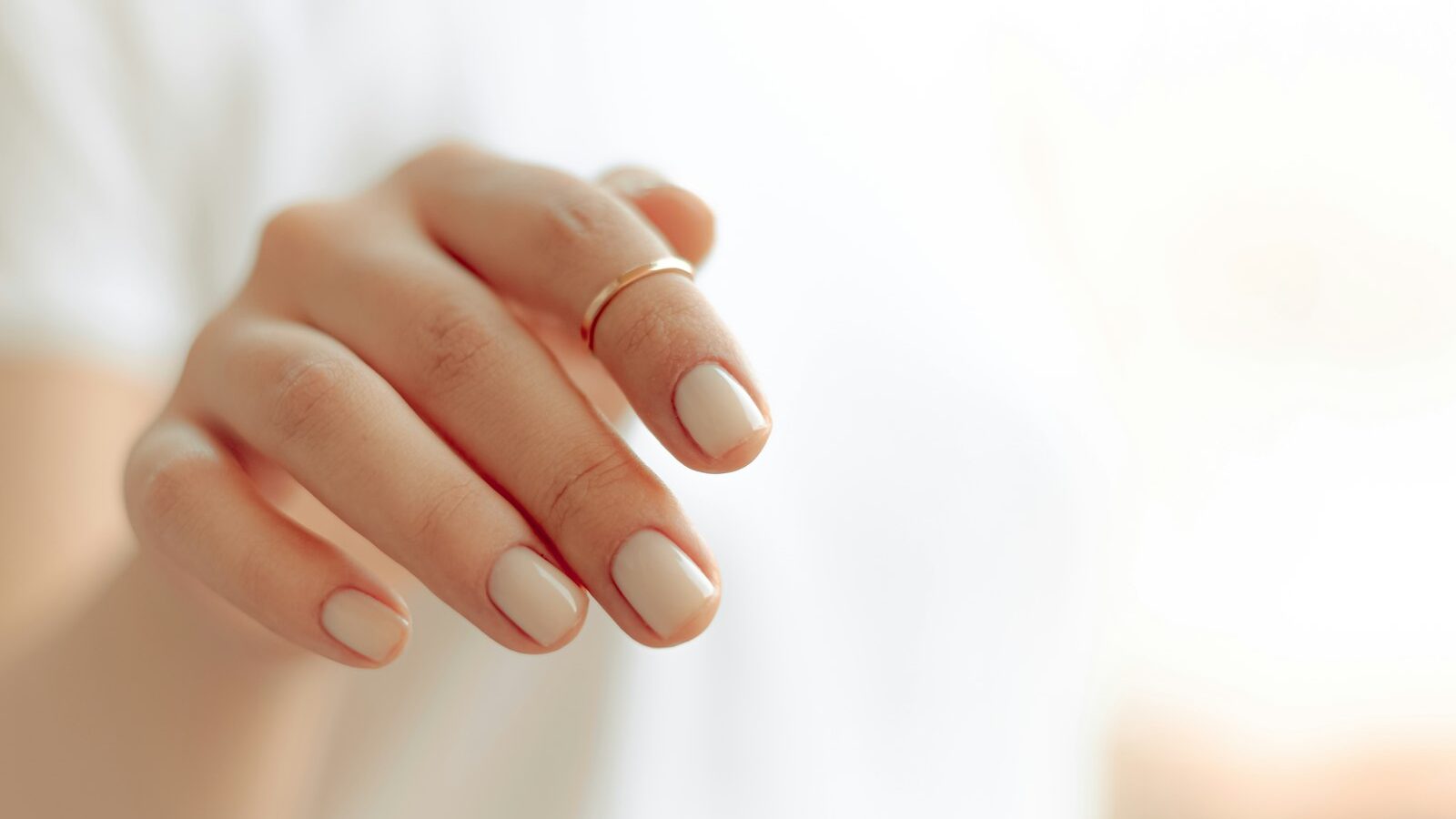
If your nails bend, split at the tip or flake away in thin layers, you are dealing with one of the most common and most fixable nail complaints. Weak and peeling nails are rarely a sign of something serious, and they are usually less about what you eat than about how the nail is treated day to day. Too much water, harsh products, rough handling and a lack of moisture all leave the nail plate brittle and prone to splitting. In Singapore, where hands are washed and sanitised constantly and we move between humid heat and drying aircon, nails take a steady battering. The good news is that sensible habits, kept up over a few weeks, make a real difference.
Why Nails Turn Weak and Peel
The nail plate is made of layers of keratin held together with natural oils and moisture. When those layers dry out or are forced apart, they separate and peel, a bit like paint lifting from a damp wall. Understanding the causes helps you target the fix rather than chasing supplements you may not need.
The most common triggers are everyday ones. Repeated wetting and drying, from frequent handwashing, washing up or swimming, swells and shrinks the nail and loosens its layers. Harsh chemicals in cleaning products, acetone removers and some hand sanitisers strip protective oils. Physical trauma matters too: using nails as tools, aggressive filing, or picking off gel and stickers all peel away the surface. Age, certain medications and long stretches of low humidity in strong aircon add to it.
Diet plays a smaller role than most people think. A genuinely balanced diet supports nail growth, but taking supplements without a known deficiency rarely helps, and only a doctor can confirm whether you actually lack something like iron. If nails suddenly change in a marked way, that is worth a proper look rather than guesswork.
Daily Habits That Rebuild Strength
Because most weak and peeling nails come from moisture loss and rough handling, the fixes are simple and low-cost. The key is consistency, since nails grow slowly and you are essentially waiting for stronger new growth to replace the damaged length.
- Oil daily. Cuticle oil is the single most useful habit. Massage a drop into each nail and the surrounding skin morning and night; it keeps the layers supple so they flex instead of splitting.
- Moisturise after every wash. Keep a hand cream by the sink and at your desk, and work a little over the nails, not just the skin.
- Wear gloves for wet or chemical work. Washing up, cleaning and gardening all dry and weaken nails, so protect them.
- File gently and in one direction. Sawing back and forth frays the edge and starts a peel. Keep nails a touch shorter while they recover.
- Leave cuticles alone. They seal the nail base against infection, so push back gently at most and never cut into living skin.
- Give polish and gel breaks. Constant removers, and especially peeling gel off, thin the nail plate badly.
None of this is dramatic, but done together over a month or two it lets healthier, less brittle length grow through.
Choosing and Using Nail Products Wisely
Walk into any pharmacy and you will see nail hardeners, strengtheners and treatments promising transformation. Some help; some can backfire. The distinction worth knowing is between hydrating treatments and hardening ones.
Hydrating or conditioning treatments, usually oil- or protein-based, add moisture and flexibility and suit most people with soft, peeling nails. Hardeners, often containing ingredients that cross-link the nail surface, make nails more rigid. They can help genuinely soft, bendy nails, but overused on already brittle nails they can make them stiff and more likely to snap. Use a hardener sparingly and stop if nails feel more brittle rather than less.
Whatever you try, patch test a new product on one nail first if your skin is sensitive, and give any treatment several weeks before judging it. Choose acetone-free remover when you can, since it is gentler, and avoid products you have to peel off. A good base coat under colour also protects the surface from staining and picking.
Hydrate vs Harden: Matching the Fix to the Nail
The right approach depends on whether your nails are soft and bendy or dry and splitting. Getting this wrong is why some people find strengtheners make things worse. Here is a simple guide.
| Nail issue | Likely cause | Better approach | Approach to avoid |
|---|---|---|---|
| Peeling in thin layers | Moisture loss, water exposure | Daily oil, gloves, gentle filing | Frequent acetone, peeling off gel |
| Soft, bendy nails | Over-hydration or naturally soft | Occasional hardener, keep short | Constant soaking, long baths |
| Splitting at the tip | Dryness and trauma | Oil, hand cream, shorter length | Using nails as tools |
| Ridged, dull surface | Age, over-buffing | Light buffing, hydration | Aggressive buffing to thin the nail |
Match the fix to what your nails are actually doing, and give it time. Nails take months to grow out fully, so patience is part of the treatment.
When Weak Nails Need a Professional
Most weak and peeling nails respond to gentler handling and more moisture, but some changes are worth showing to a doctor, pharmacist or podiatrist rather than treating at home. See someone if you notice signs of infection such as redness, swelling, warmth, pus or pain around the nail, or if a nail is lifting from its bed, thickening, crumbling, or turning white, yellow or green, which can point to a fungal or other condition that home care will not resolve.
Sudden, marked changes across several nails, deep ridges, pitting, or dark streaks also deserve professional assessment, since nails sometimes reflect wider health matters. People with diabetes or poor circulation should be especially careful and seek advice early. There is no need to panic over the odd split nail, but nail health is still health, and a doctor or podiatrist is the right person when something looks or feels wrong rather than simply dry.
Explore More
Strong nails and soft, cared-for hands go together, so pair these habits with our guide to hand care and preventing dry hands in the aircon. When your nails are in better shape, put them to use with our at-home manicure guide, and explore the rest of our Beauty and Wellness guides for more everyday grooming and self-care ideas.