
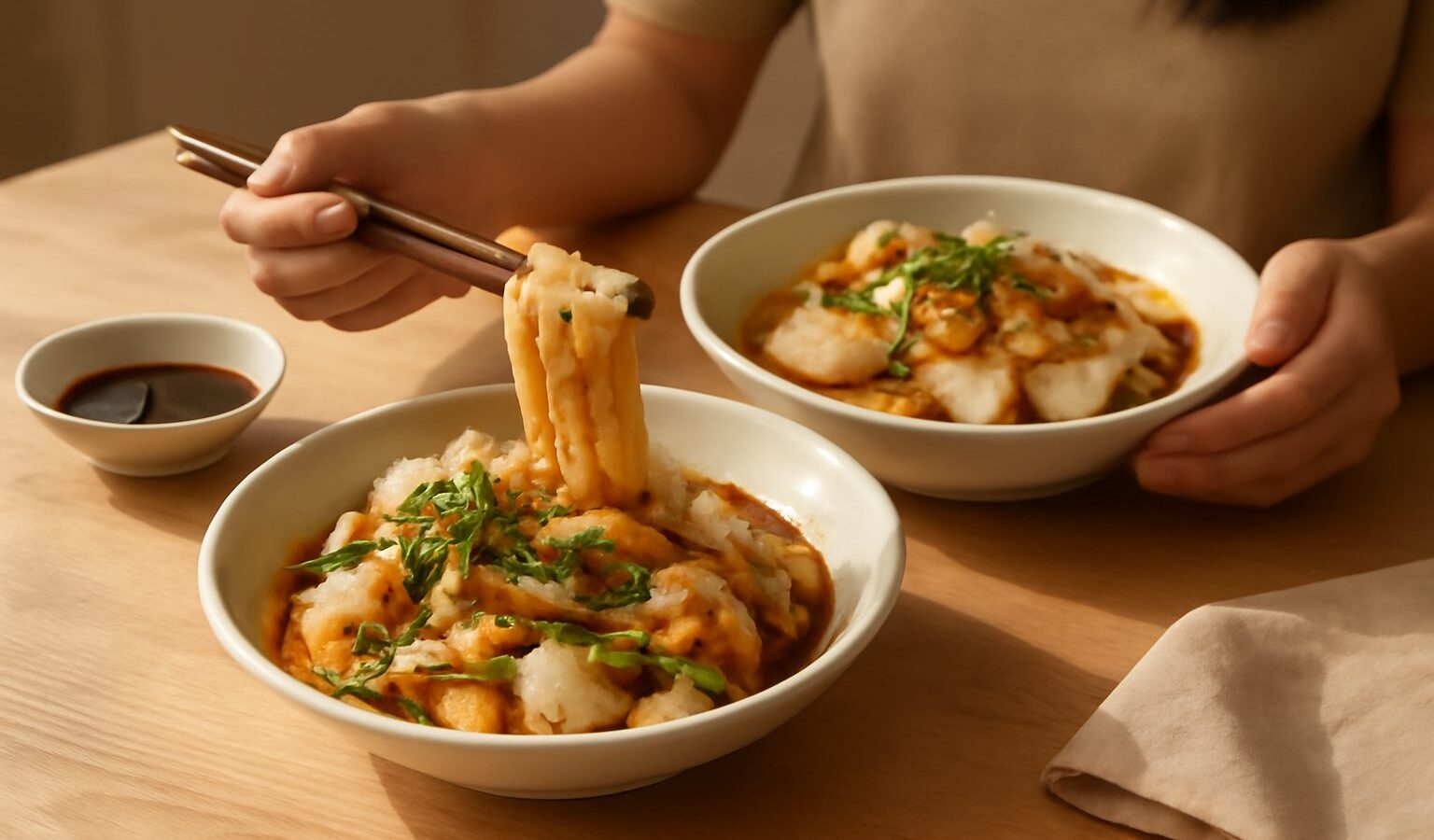
If the heat back home meant a plate of cool, springy noodles doused in chilli oil and black vinegar, you will be glad to know that chinese cold dishes in Singapore are easier to find than you might expect. The tropical climate here makes these refreshing plates feel right at home, and for many newcomers from the mainland, a bowl of liangpi or a plate of liang ban dishes is exactly the taste of comfort you reach for after a long, sticky day.
This guide walks you through the main cold dishes you will recognise, how they differ, and how to go about finding and ordering them without any awkwardness. We will keep it general and practical, because stalls and menus change often, and half the fun is in the discovery.
Understanding the Family of Cold Dishes
The world of Chinese cold food is broad, but a few staples come up again and again, and knowing the names helps you order with ease.
Liangpi, often translated as cold skin noodles, are wide, translucent, chewy ribbons made from wheat or rice starch. They arrive at room temperature or slightly chilled, tossed in a sauce of black vinegar, garlic, soy, sesame paste and chilli oil, usually with cucumber shreds, bean sprouts and pieces of soft wheat gluten called mianjin. The texture is the whole point, a satisfying, slippery chew that carries the tangy, garlicky, spicy dressing.
Liangfen is the softer cousin. Made from mung bean, pea or sweet potato starch, it sets into a wobbly, jelly-like block that is then sliced into strips or shaved into ribbons. It is gentler in texture, cool and soothing, and it soaks up the same bright, sour, spicy sauces. If liangpi is chewy, liangfen is silky.
Liang ban dishes, meaning simply cold-tossed or cold-dressed dishes, are a whole category rather than a single item. These are vegetables, tofu, seaweed, wood ear fungus, glass noodles or even shredded chicken, dressed cold with vinegar, sesame oil, garlic and chilli. They are the small, sharp, appetite-waking plates that open a meal.
Smashed cucumber, or pai huang gua, deserves its own mention. The cucumber is bashed with the flat of a cleaver so it splinters into rough, craggy pieces that grip the dressing far better than neat slices ever could. Tossed with smashed garlic, vinegar, a little sugar, sesame oil and chilli, it is crunchy, cooling and quietly addictive.
Where to Look in Singapore
You will not always find these dishes under bright signs, so it helps to know where to point your search.
Northern and northwestern Chinese eateries are your best friends here, especially those advertising Shaanxi or Xi’an food, since liangpi is a Shaanxi signature often served alongside rou jia mo, the stuffed flatbread sometimes called a Chinese burger. Sichuan and Chongqing restaurants are strong for liangfen and for cold-tossed appetisers, as chilled starch dishes and smashed cucumber are staples of that spicy repertoire.
More broadly, look at casual mainland-style noodle houses, mala outlets, and the growing number of small eateries run by and for the mainland community in areas with a steady Chinese crowd. Many food courts and coffee shops now carry at least one such stall. Online food delivery apps are worth a scroll too, as searching the dish names in Chinese characters often surfaces places that never advertise in English.
Do not overlook the appetiser or cold dish section of a fuller menu. Even a restaurant known for hotpot or dumplings will frequently list smashed cucumber, cold tofu, seaweed salad or wood ear in vinegar among its starters.
A Quick Comparison
The table below sums up the main dishes at a glance so you can decide what suits your mood.
| Dish | Made From | Texture | Typical Dressing |
|---|---|---|---|
| Liangpi | Wheat or rice starch | Wide, chewy, springy | Vinegar, garlic, sesame paste, chilli oil |
| Liangfen | Mung bean or pea starch | Soft, jelly-like, silky | Vinegar, garlic, soy, chilli oil |
| Liang ban dishes | Vegetables, tofu, noodles | Varies by ingredient | Vinegar, sesame oil, garlic, chilli |
| Smashed cucumber | Cucumber | Crunchy, craggy | Garlic, vinegar, sesame oil, chilli |
How to Order With Confidence
Ordering is simple once you know a few habits. If you like heat, ask for extra chilli oil, and if you are sensitive, ask for the chilli on the side, since many stalls dress the dish for you before serving. The word for less spicy is wei la, and no spice is bu la, phrases most mainland-style stalls will understand instantly.
Portions of liangpi and liangfen are usually generous and filling on their own, so one bowl often makes a light lunch. The cold-tossed starters, on the other hand, are meant for sharing, so order two or three across a group and pair them with something warm.
A note on freshness, which matters more with cold food than hot. These dishes are best eaten soon after they are dressed, as the noodles soften and the vegetables lose their snap over time. If you are ordering delivery, eat promptly rather than letting the box sit, and give anything with a strong sour or off smell a miss. Reputable, busy stalls with good turnover are your safest bet, and a brisk queue is usually a good sign that the food is made fresh through the day.
Making Them at Home
Many of these dishes are within easy reach of a home cook, which is handy when a craving strikes late. Dried liangpi and liangfen packets, along with ready starches, are stocked in the larger supermarkets and in shops catering to the mainland community. Smashed cucumber in particular needs nothing more than a cucumber, garlic, black vinegar, sesame oil and a spoon of chilli. It is one of the first dishes worth mastering, a five-minute plate that tastes like home and cools you down at the same time.
Whether you seek them out at a bustling stall or bash a cucumber in your own kitchen, these cool, tangy plates are one of the small pleasures that make settling into Singapore feel a little more familiar.
Explore more
Where to Find Hunan Food
Vegetarian Food in Singapore
Where to Find Hakka Food and Lei Cha
Chinese Tea Culture in Singapore