
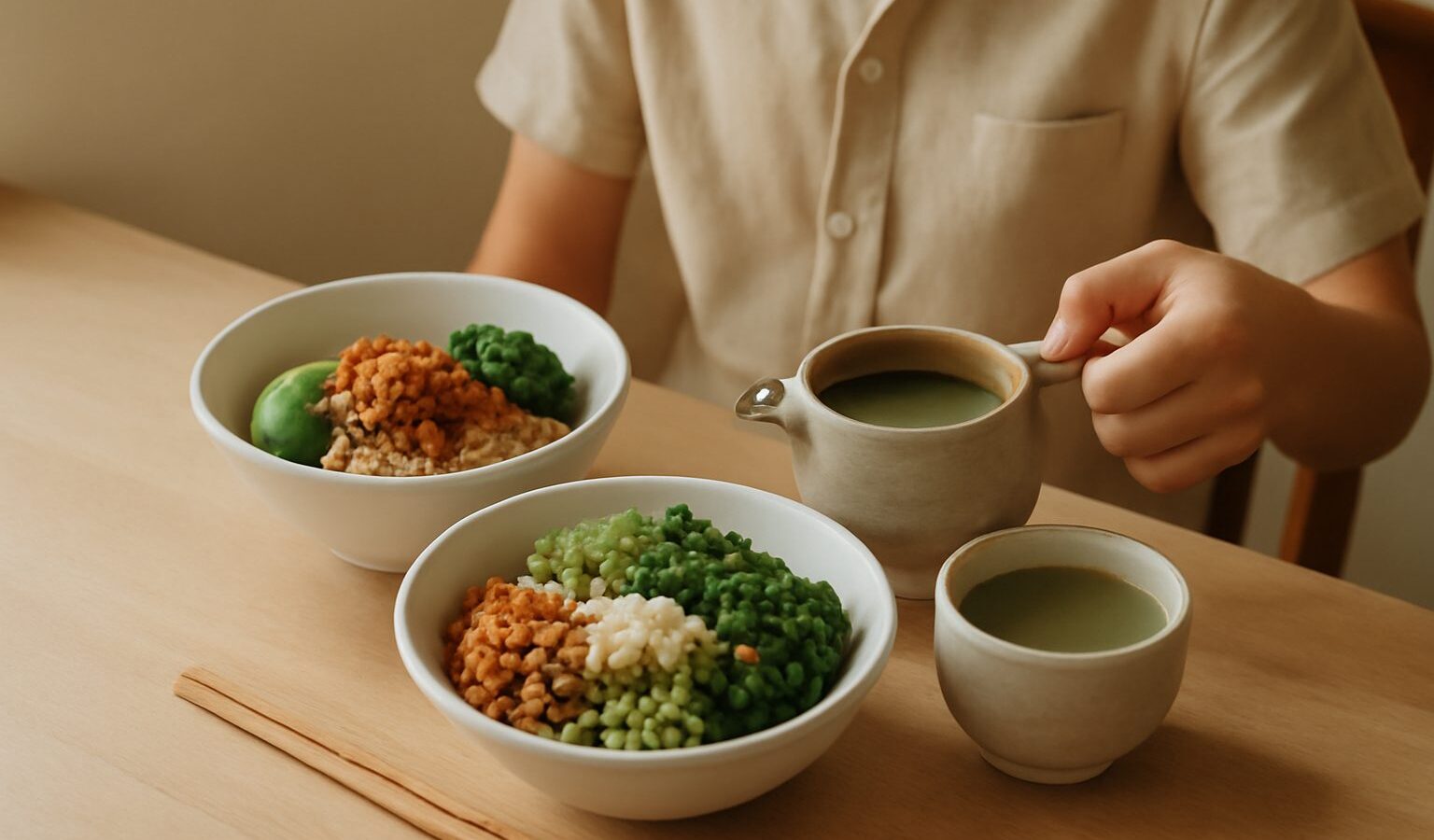
For newcomers from the mainland, Hakka food in Singapore offers a warm point of connection, because the Hakka people are a Chinese community whose roots stretch across Guangdong, Fujian, Jiangxi and beyond, and whose migrants helped build early Singapore. The Hakka left a real mark here, and their cooking, honest, hearty and thrifty by tradition, has quietly become part of the local table. If your family has Hakka ties, or you simply want to taste a cuisine built on preserved flavours and clever use of humble ingredients, this guide will help you find your way.
The Hakka Link to Singapore
The Hakka were among the dialect groups that settled in Singapore during the great waves of migration, and their presence shaped trades, clan associations and neighbourhoods. Their food travelled with them. Because the Hakka were historically a mobile, hard-working people, their cooking favours filling dishes, salt and preservation for keeping food through journeys, and richly savoury flavours that reward a hungry appetite. You will taste that heritage in every dish below, and knowing the story makes the meal more meaningful.
The Classic Dishes to Know
A handful of dishes form the heart of the Hakka repertoire, and most Hakka eateries here will offer some version of them.
Yong tau foo is perhaps the most famous Hakka contribution to the Singapore table, though the local version has evolved into a beloved everyday meal of its own. In its Hakka origins, it means tofu and vegetables stuffed with a seasoned minced meat or fish paste, then braised or served in a clear soup. The Singapore style lets you pick your own pieces, tofu, bitter gourd, chilli, okra, fish balls, from a display, then have them cooked in soup or dry with sauce. The Hakka soul of the dish, that comforting stuffed-tofu idea, lives on in both.
Abacus seeds, or suan pan zi, are a wonderful discovery for anyone who has not tried them. These are small, chewy dumplings shaped like the beads of an abacus, made from yam and tapioca flour, then stir-fried with minced meat, dried shrimp, mushrooms and chives. The texture is bouncy and slightly springy, and the dish carries auspicious meaning too, since the abacus shape is linked to counting wealth, which is why it often appears at festive meals.
Salt-baked chicken is a Hakka signature that showcases the community’s love of salt as both seasoning and preservative. Traditionally the whole bird is wrapped and buried in a mound of hot coarse salt to cook through gently, leaving the meat tender, juicy and deeply savoury with a clean, salty fragrance. Many places now use a salt-baked seasoning method to similar effect, and the result is a fragrant, moreish chicken that pairs beautifully with plain rice.
Other dishes worth seeking out include braised pork with preserved mustard greens, known as mei cai kou rou, where fatty pork is steamed with salted, dried greens until meltingly soft, and stewed pork with red fermented beancurd, which lends a rosy colour and mellow, winey depth.
Lei Cha, the Thunder Tea Rice
If there is one dish that captures the Hakka spirit of health and thrift, it is lei cha, also called thunder tea rice. The curious name comes from the grinding of tea leaves and herbs, a rhythmic pounding that some say sounds like distant thunder.
Lei cha is served as a bowl of rice topped with an array of finely chopped vegetables, often long beans, leeks, cabbage, preserved radish, peanuts and tofu, alongside a jug of green, savoury tea soup. The soup is made by grinding tea leaves together with herbs, mint, basil and sometimes sesame and peanuts into a fragrant paste, then loosening it with hot water. You either pour the tea over the rice and vegetables or sip it alongside. The flavour is grassy, herbal and unusual at first, but many people grow to love its wholesome, cleansing quality. It is one of the most vegetable-rich meals you can eat here, and a favourite among health-conscious diners and vegetarians alike.
A Snapshot of Hakka Dishes
The table gives you a quick reference before you head out.
| Dish | What It Is | Flavour and Texture |
|---|---|---|
| Yong tau foo | Stuffed tofu and vegetables | Savoury, comforting, in soup or dry |
| Abacus seeds | Yam-and-tapioca beads, stir-fried | Bouncy, chewy, savoury |
| Salt-baked chicken | Whole chicken cooked in salt | Tender, juicy, fragrant and salty |
| Mei cai kou rou | Braised pork with preserved greens | Rich, soft, deeply savoury |
| Lei cha | Rice with vegetables and herb tea | Grassy, herbal, wholesome |
Where to Look
Hakka food does not always announce itself, so a little knowing helps. Look for eateries that describe themselves as Hakka or that list the classic dishes above by name, particularly yong tau foo stalls that go beyond the everyday pick-and-mix style. Traditional zi char stalls, the mixed-dish restaurants found in coffee shops across the island, often carry Hakka staples such as abacus seeds and mei cai kou rou, especially older, family-run ones.
For lei cha specifically, seek out vegetarian stalls and dedicated thunder tea rice stalls, which appear in food courts and hawker centres and are usually clearly signed. Yong tau foo, meanwhile, is genuinely everywhere, so start there for the easiest introduction and work your way towards the deeper cuts of the cuisine.
A Few Ordering Tips
Portions of dishes like mei cai kou rou and salt-baked chicken are made for sharing over rice, so Hakka food shines as a group meal. If you are new to lei cha, do try the tea rather than setting it aside, since the whole dish is built around it. And when a place is run by an older Hakka family, a friendly word about your own roots or curiosity often earns a warm recommendation. Hakka cooking is generous by nature, and the people behind it usually are too.
Explore more
Where to Find Hunan Food
Vegetarian Food in Singapore
Chinese Cold Dishes, Liangpi and Liangfen
Chinese Tea Culture in Singapore