
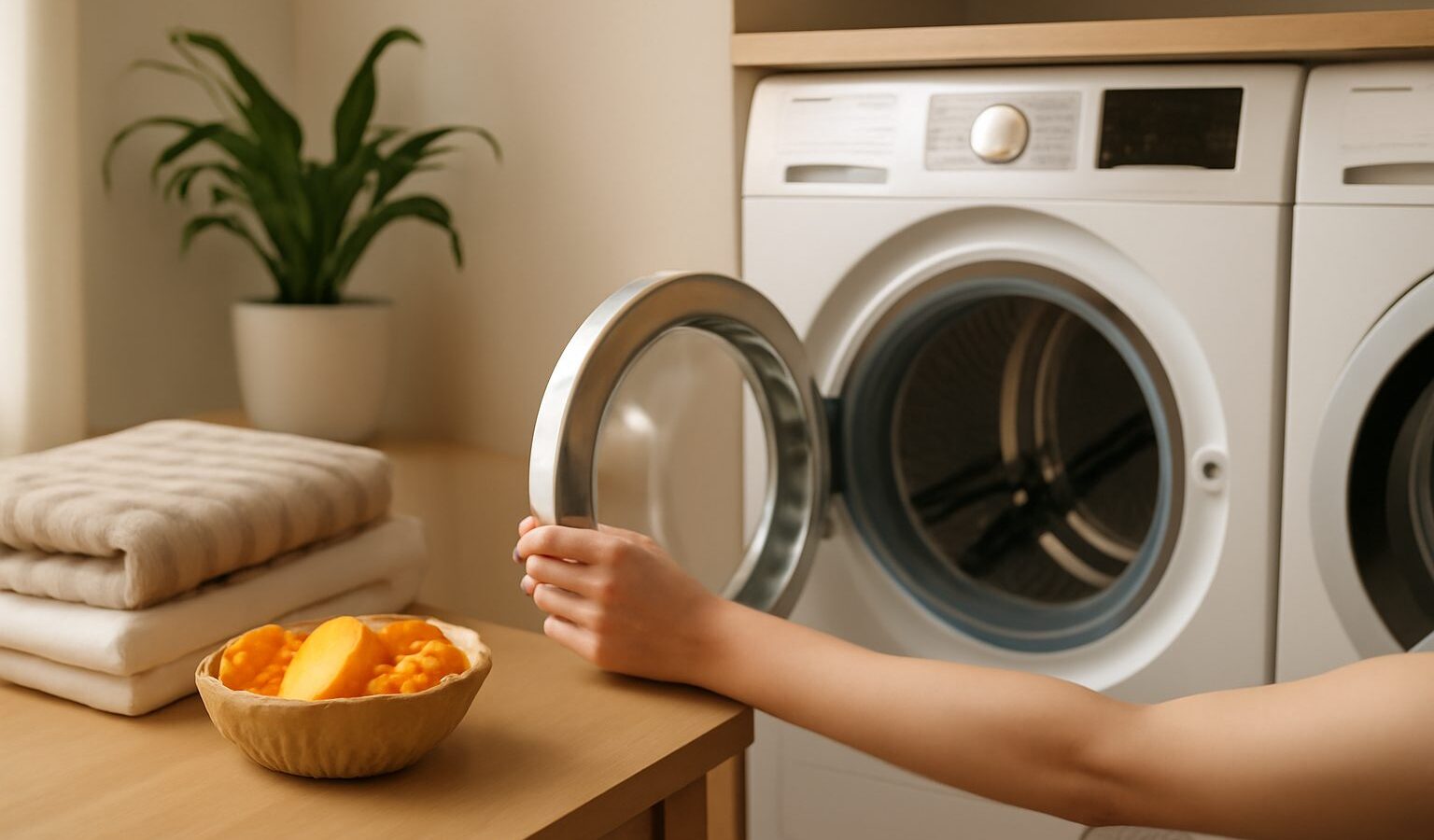
Picking a clothes dryer singapore flats can actually accommodate means weighing three things at once: how the machine gets rid of moisture, how much energy it uses, and how well it copes when the weather refuses to cooperate. In a climate this humid, air-drying laundry can take a frustratingly long time and leave clothes smelling less than fresh, which is why a dryer has become a sensible buy for many households. This guide compares heat-pump, condenser and vented dryers so you can match the technology to your home, your ventilation and your patience.
Why a Dryer Makes Sense in a Humid Climate
Hanging washing out sounds free and natural, but during long wet spells the surrounding air is already saturated, so damp clothes have nowhere to shed their moisture. They stay wet for a day or more and can develop a musty smell. A dryer sidesteps the weather entirely by creating its own warm, moving air, so a load finishes on schedule regardless of what is happening outside. For families, shift workers and anyone without a sunny drying area, that reliability is the whole point.
The catch is that dryers vary enormously in how they work and what they cost to run. Getting the type right is where the real savings and convenience live.
The Three Main Types
There are three broad designs, and the difference comes down to what each does with the hot, damp air it produces.
A vented dryer is the simplest and usually cheapest to buy. It heats air, tumbles it through the clothes, then pushes the hot, moist air out through a hose or duct to the outside. It dries quickly, but it must vent that humid exhaust somewhere, which is awkward in many flats where there is no easy route to an outside wall. Vent it into the room and you simply dump heat and moisture back indoors.
A condenser dryer also heats and tumbles, but instead of venting it cools the moist air to condense the water into a collection tank that you empty, or that drains away. It needs no duct to the outside, which makes it far more flexible for placement, though it tends to warm the room it sits in and uses a fair amount of energy.
A heat-pump dryer is a more advanced kind of condenser dryer. It recycles the warm air rather than throwing the heat away, using a heat pump to remove moisture very efficiently. It is the gentlest and most energy efficient of the three, but that gentleness means it dries at a lower temperature and therefore more slowly. It also usually costs more upfront.
| Type | Venting needs | Energy use | Speed and heat |
|---|---|---|---|
| Vented | Needs a duct to outside | Moderate to high | Fast, hot |
| Condenser | No duct, empty a tank | Higher | Fast, warms the room |
| Heat-pump | No duct, empty a tank | Lowest | Slower, gentle low heat |
Energy Use and Running Costs
Over the life of the machine, running cost usually outweighs the purchase price, so this is where a heat-pump dryer makes its case. Because it recycles heat instead of generating it fresh and then discarding it, a heat-pump model uses noticeably less electricity per load than a vented or standard condenser dryer. If you dry laundry often, those savings add up and can offset the higher sticker price over time.
Vented and condenser dryers cost less to buy but more to run, and a condenser in particular releases its heat into the room, which in our climate may nudge up your air-conditioning use as well. Check the energy label and think in terms of total cost over several years rather than the price on the shelf. Whatever you choose, every model here runs on Singapore mains of 230V and 50Hz. Larger dryers may need a dedicated higher-rated socket rather than the standard three-pin BS 1363 outlet, so confirm the plug and circuit requirement before you buy.
Venting, Space and Placement
Venting is the practical constraint that often decides the choice for you. If your flat has no simple path to an outside wall, a vented dryer is impractical, which is why condenser and heat-pump models, needing no duct, are popular in local homes. Both collect water in a tank you empty after each load, or you can plumb them to a drain if the layout allows, which saves the chore.
Even without a vent, these machines still give off some warmth and moisture, so give the dryer breathing room and reasonable ventilation rather than sealing it in a tight cupboard. Consider size too. A stackable or slim model, or a washer-dryer combo, may suit a compact utility area, though a combo dries a smaller load than a dedicated dryer and takes longer.
Drying in Humid Weather and Everyday Care
The real test is a wet, humid stretch, and here any of these dryers beats the washing line because each removes moisture using its own mechanism rather than relying on already damp outside air. A heat-pump dryer keeps performing efficiently even when the room is humid, just at its usual gentler pace, so plan for slightly longer cycles rather than expecting a rapid blast.
Good habits keep any dryer working well. Spin the wash thoroughly first so there is less water to remove, avoid overloading so air can move through the clothes, and clean the lint filter after every load, since a clogged filter slows drying and wastes energy. On condenser and heat-pump machines, empty the water tank and rinse the condenser or heat-exchanger filter as the maker advises. Kept clean and loaded sensibly, a good dryer takes the weather out of your laundry routine for years.
Explore more
Washing Machine and Dryer Guide
Drying Laundry in Humid Weather
Dehumidifiers for Humid Homes
Energy-Efficient Appliances