
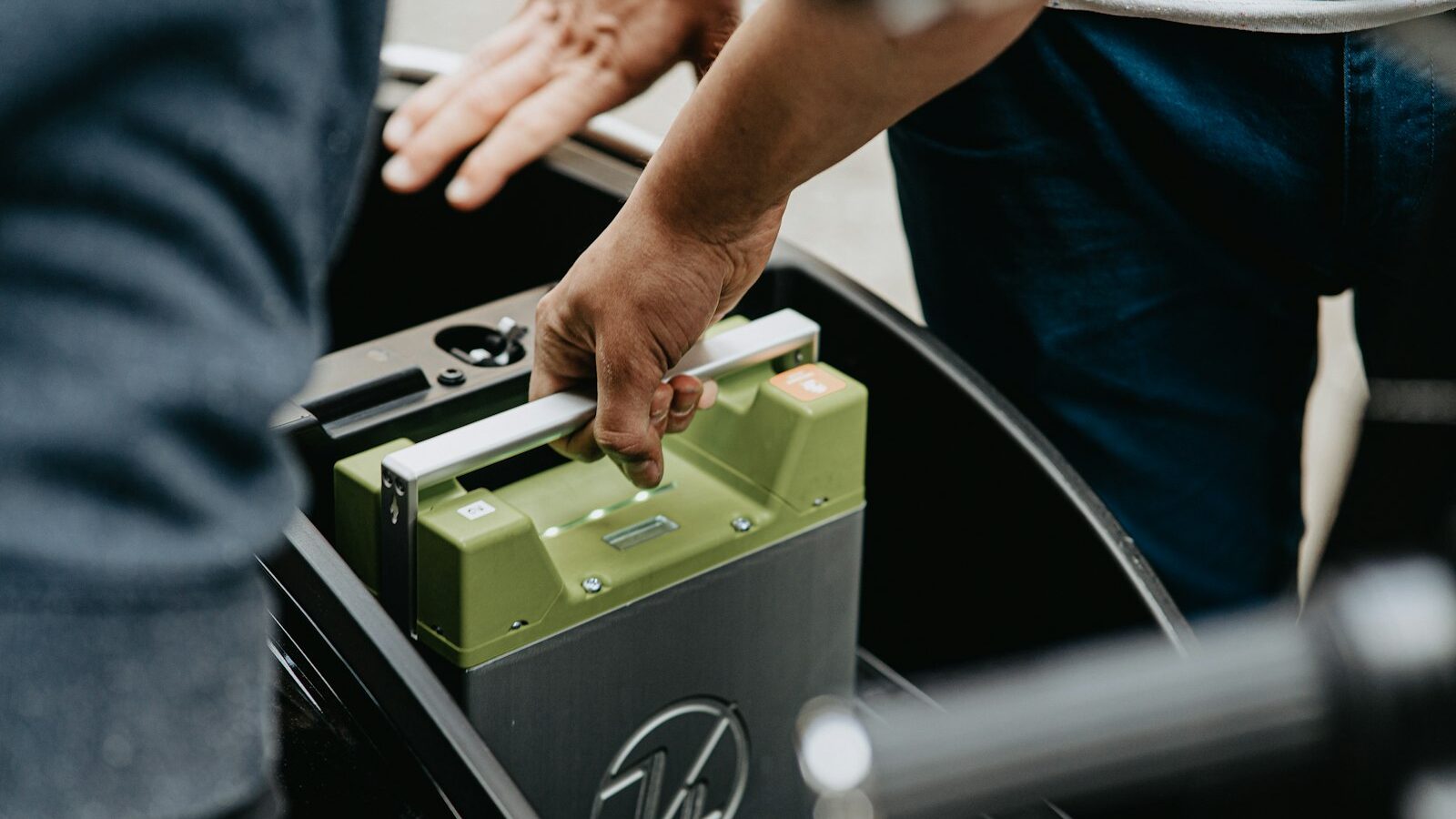
The battery is the heart of an electric car, and looking after it is the single biggest thing you can do to protect your investment. Good ev battery health is not about pampering the car or following complicated rules. It comes down to a handful of sensible habits that suit our warm, humid climate and everyday island driving. Batteries age gradually no matter what you do, but the pace of that ageing is partly in your hands. This guide explains what actually helps, what to avoid, and how to build a low effort routine that keeps your range dependable for the long haul.
How EV Batteries Age
An EV battery does not fail suddenly like a light bulb. Instead it degrades slowly, meaning it gradually holds a little less energy over the years. Two things mainly drive this. The first is cycling, the ordinary wear of charging and discharging as you drive. The second is calendar ageing, the slow decline that happens simply with time, which speeds up in heat and when the battery sits very full.
Modern electric cars are built with this in mind. They include management systems that buffer the battery, control temperature where they can, and smooth out the extremes so you are not exposed to the harshest conditions. Your job is to work with that system rather than against it. The habits below are about avoiding the few stresses that accelerate ageing, not about obsessing over every charge.
Everyday Charging Habits That Help
The way you charge day to day has the biggest influence you can control. A few gentle habits go a long way.
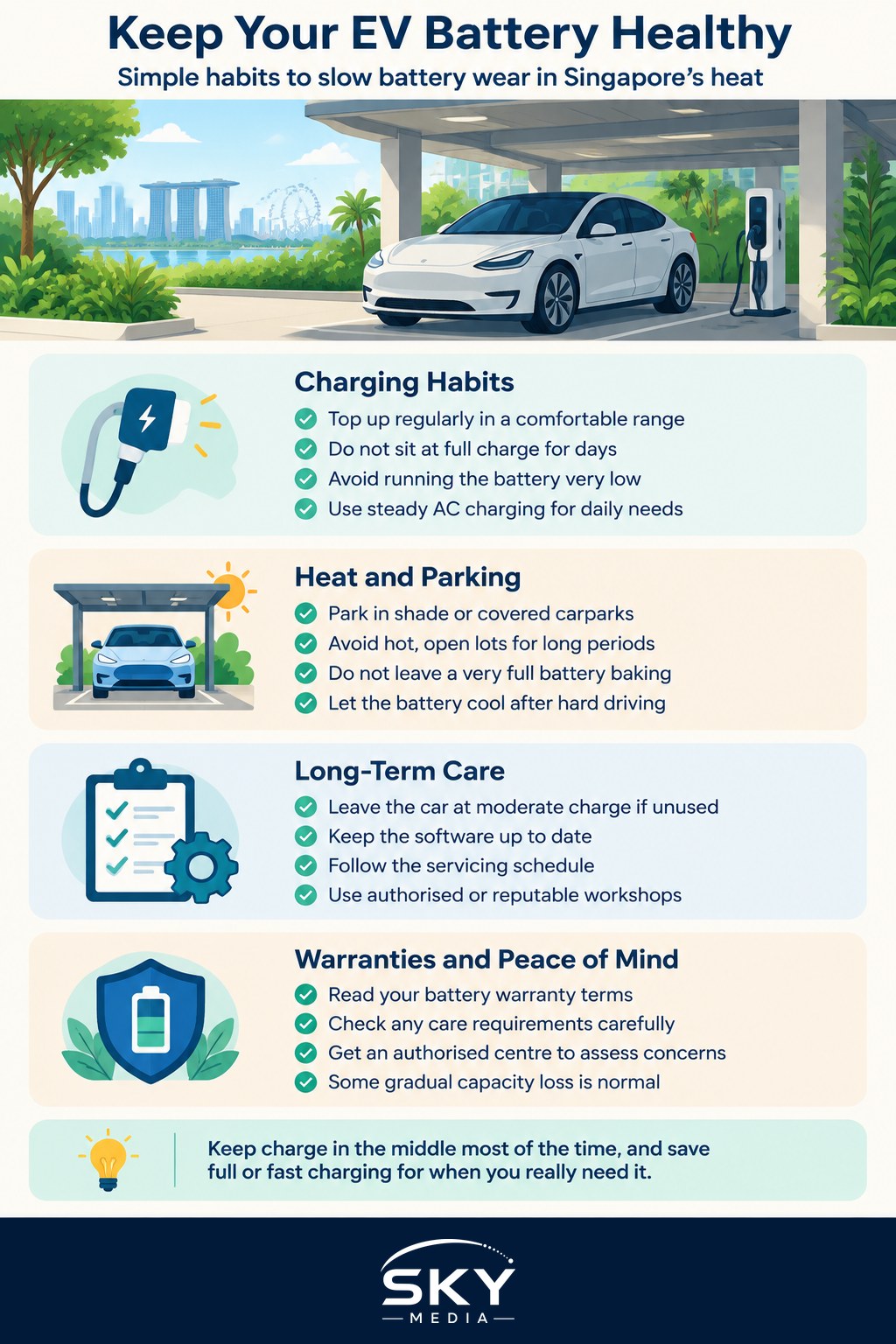
- Live in the middle: batteries are happiest spending most of their time in a moderate state of charge rather than constantly at the very top or bottom. For routine driving, topping up regularly to a comfortable everyday level suits them better than always filling to the brim.
- Save the full charge for when you need it: charging all the way up is fine before a long trip, but there is little benefit in leaving the car sitting at maximum for days on end.
- Avoid running to empty: deep discharges are a stress too, so plug in before the battery gets very low rather than routinely draining it flat.
- Favour steady over frantic: regular home or steady AC charging is gentler than leaning on rapid DC charging for every top up. Rapid charging is brilliant for long days and road trips, just not the ideal daily default.
- Use scheduling: if your charger allows it, timing charges so the car finishes near your departure rather than sitting full overnight is a small, easy win.
None of this requires precise targets. The spirit is simple. Keep the battery in a comfortable middle range most of the time, and reserve the extremes for when a journey genuinely calls for them.
Heat, Parking and Our Climate
Singapore’s heat is the factor many owners overlook. Sustained high temperatures are one of the least battery friendly conditions, and here they are a year round reality rather than a summer visitor. You cannot change the weather, but you can soften its effect.
Park in the shade or in a covered, multi storey carpark whenever you can, rather than leaving the car baking in an open lot all afternoon. Avoid parking with a very full battery in the hottest spots for long stretches, since heat and a high state of charge together are harder on the cells than either alone. If you have just finished a long, fast drive or a rapid charge, the battery will be warm, so giving it a little time before immediately charging hard again is kinder. These are small choices, but repeated daily over years they add up.
Charging Styles Compared
Different charging approaches suit different moments. The point is not that one is good and another bad, but that matching the method to the situation keeps the battery comfortable.
| Charging style | Best used for | Effect on battery over time |
|---|---|---|
| Steady home or AC charging | Daily top ups and overnight | Gentle, ideal as your everyday default |
| Rapid DC charging | Long trips and quick turnarounds | Convenient, better kept occasional |
| Charging to full | Right before a long journey | Fine occasionally, avoid as a daily habit |
| Sitting at very low charge | Nothing, avoid where possible | A stress, plug in before it gets very low |
Think of it as a balanced diet. Steady charging is your staple, rapid charging is the occasional convenience, and the extremes of very full or very empty are the treats you do not indulge in every day.
Long Term Care and Peace of Mind
Beyond charging, a few broader habits protect both the battery and your wallet. If the car will sit unused for an extended period, most makers advise leaving it at a moderate charge rather than full or empty, and checking on it occasionally. Keep the car’s software up to date, since battery management improvements often arrive that way. Follow the servicing schedule in your owner’s manual and use authorised or reputable workshops familiar with electric cars, because proper diagnostics matter more than guesswork.
It also helps to know your coverage. Electric cars typically come with a separate battery warranty, and the exact terms, duration and conditions are set by the manufacturer, so read yours and keep to any care requirements it lists. If you are ever unsure about your battery’s condition, an authorised service centre can assess its state properly rather than you relying on rumours online.
Finally, keep perspective. Some gradual capacity loss over many years is normal and expected, not a sign that something is wrong. The owners who see the best longevity are simply the ones who charge sensibly, keep the car out of relentless heat where they can, and stay on top of servicing. Do that, and strong ev battery health becomes the natural result of ordinary good habits rather than a constant worry.
Explore more
Your charging setup shapes these habits, so see our guide to choosing a home EV charger to make steady daily charging easy. For everything else that keeps an electric car in good shape, read maintaining an electric car, and if you are still comparing options, weigh a plug in hybrid against a full electric.
Related across Sky Media: How to Keep Your Laptop Battery Healthy
Further reading: Why an EV’s 12V Battery Still Dies and What to Do · EV Battery Fires in Singapore: How Rare Are They and What to Do