
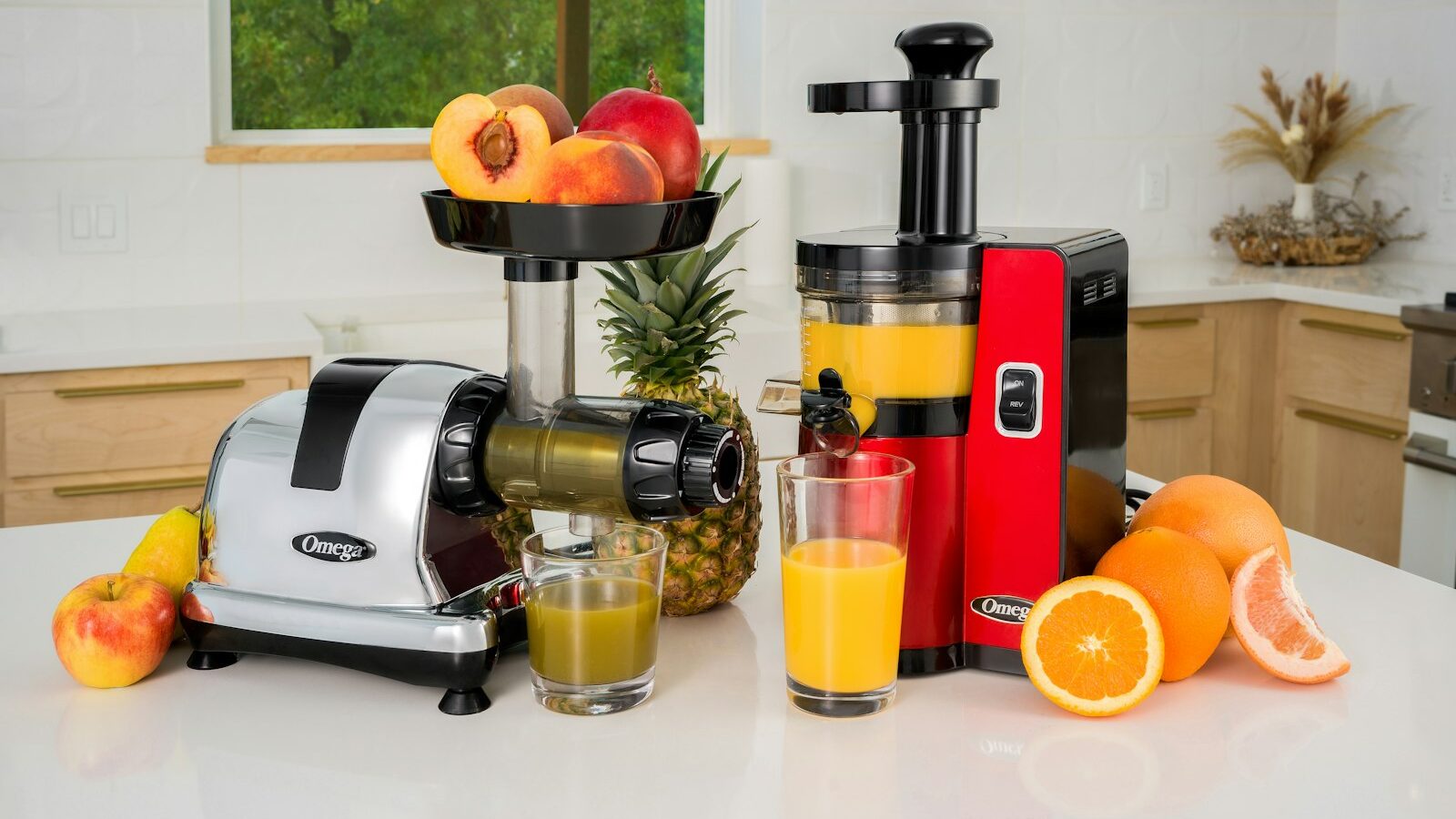
Fresh juice at home is one of those small luxuries that feels worth it, especially when local fruit is abundant and inexpensive. If you are shopping for a juicer in Singapore, though, the range of machines can be confusing, and the wrong choice ends up unused in a cupboard because it is too fiddly to clean. This guide explains the main types, the features that matter, and how to match a machine to a small tropical kitchen so it actually gets used.
The first thing to understand is that a juicer separates liquid from pulp, which is different from a blender that keeps everything together as a thick smoothie. If you want a clear drinkable juice with the fibre removed, you want a juicer. If you prefer a whole fruit blend, a blender may suit you better. Many households end up owning both, but if counter space is tight, decide which style of drink you genuinely reach for most often.

Centrifugal versus slow juicers
There are two dominant designs, and they behave quite differently. A centrifugal juicer uses a fast spinning mesh basket to fling juice out through the sides. These machines are quick, often have a wide feed chute so you can drop in whole or large pieces of fruit, and tend to cost less. The trade offs are a noisier operation, more foaming and a slightly warmer juice from the fast spinning, and generally a lower yield from leafy greens. For someone who wants a fast glass of apple or carrot juice in the morning, a centrifugal machine is hard to beat on convenience.
A slow juicer, also called a masticating or cold press juicer, uses a slow turning auger to crush and squeeze the produce. It runs quietly, extracts more juice from the same amount of produce, handles leafy greens and soft fruit well, and produces a juice that keeps a little longer before separating. The downsides are a higher price, a slower process, and usually a narrower chute that means more chopping before you feed it in. If you juice often, care about yield, or want to press greens and wheatgrass, the slow juicer usually rewards the extra spend.
There are also simple citrus presses for those who only want orange, lime or calamansi juice. These are cheap, tiny and effortless to clean, and for a citrus focused household they may be all you need. Think honestly about what you will juice before you commit to a large multipurpose machine.
Practical features for a Singapore kitchen
Capacity and footprint matter in a HDB flat or condo. Look at the size of the pulp container and the juice jug, because a small pulp bin fills quickly and interrupts your session when you are juicing for the whole family. Check the height of the machine against your cabinets if the feed chute is on top. As with any appliance here, it runs on standard 230V/50Hz mains, so the practical variable is the motor power, with a stronger motor coping better with hard produce like carrots, beetroot and ginger.
Our local produce is a genuine consideration. Tropical fruit such as pineapple, watermelon, guava, soursop and green apple juices beautifully, and calamansi adds a bright local note. Very soft or starchy items like banana and avocado do not juice well and are better blended. Because our fruit is often very ripe and sweet, a slow juicer helps you get the most from softer flesh without wasting it. If you enjoy building drinks at home, a juicer sits naturally alongside the ideas in our guide to setting up a home coffee and bar corner, and it can be a lovely addition when you are hosting and entertaining at home.
Look for a few quality of life features. A large capacity feed chute reduces prep, a reverse function on a slow juicer clears jams, and dishwasher safe parts save time. A well designed drip stop on the spout keeps your counter clean. Noise is worth thinking about in a flat with thin walls or an open plan layout, and here the slow juicer has a clear advantage for early mornings.
Cleaning, upkeep and running costs
The single biggest reason juicers get abandoned is cleaning, so make it a priority in your decision. Every juicer has a mesh or a straining part that traps fine pulp, and this needs a brush and a rinse straight after use before the pulp dries hard. Machines with fewer parts and smooth surfaces are much easier to keep clean. Rinse the parts immediately, and in our humidity dry everything fully before you reassemble or store it, so nothing turns musty. A quick clean now beats a soaking session later, and it keeps the mesh from staining.
Keep the motor base away from splashes, wipe it with a damp cloth only, and never immerse it in water. Store the machine somewhere dry, and give the moving parts an occasional check as covered in our guide to maintaining your home appliances. Because motors vary in efficiency, a glance at the Energy Label and our notes on energy efficient appliances helps if running costs matter to you, though a juicer used for a few minutes a day is a modest load. Choose the type that matches your drinks, pick a machine you can clean without dread, and fresh juice quickly becomes an easy daily habit rather than a novelty.
Frequently Asked Questions
Can I juice leafy greens and wheatgrass in a centrifugal juicer? You can, but the yield is generally lower than with a slow juicer. Leafy greens and wheatgrass are pressed more efficiently by a slow-turning auger. If greens are a regular part of your routine, that is the main reason to pay more for a slow model.
Is juice healthier than eating the whole fruit? Not necessarily. Juicing removes most of the fibre, and fruit juice can be high in natural sugars, so whole fruit is usually the better everyday choice. Enjoy juice in moderate amounts, and ask a dietitian for personal advice, especially if you have diabetes.
How long can fresh juice be kept before it goes off? It is best drunk soon after making, since fresh juice has no preservatives. If you must store it, use a clean, sealed container in the fridge and drink it within a day. Discard it if it smells sour or looks fermented, and follow the juicer maker’s advice.
Should I get a juicer or a blender for smoothies? A blender keeps the whole fruit, fibre included, giving a thick smoothie, while a juicer separates juice from pulp. Choose by which drink you reach for most. If counter space is tight, pick one rather than buying both.
What can I do with the leftover pulp? Pulp can go into muffins, pancakes, soups or stock, or be composted if you have access to it. Vegetable pulp such as carrot works well in savoury bakes. Use it the same day or freeze it, because it spoils quickly in warm weather.