
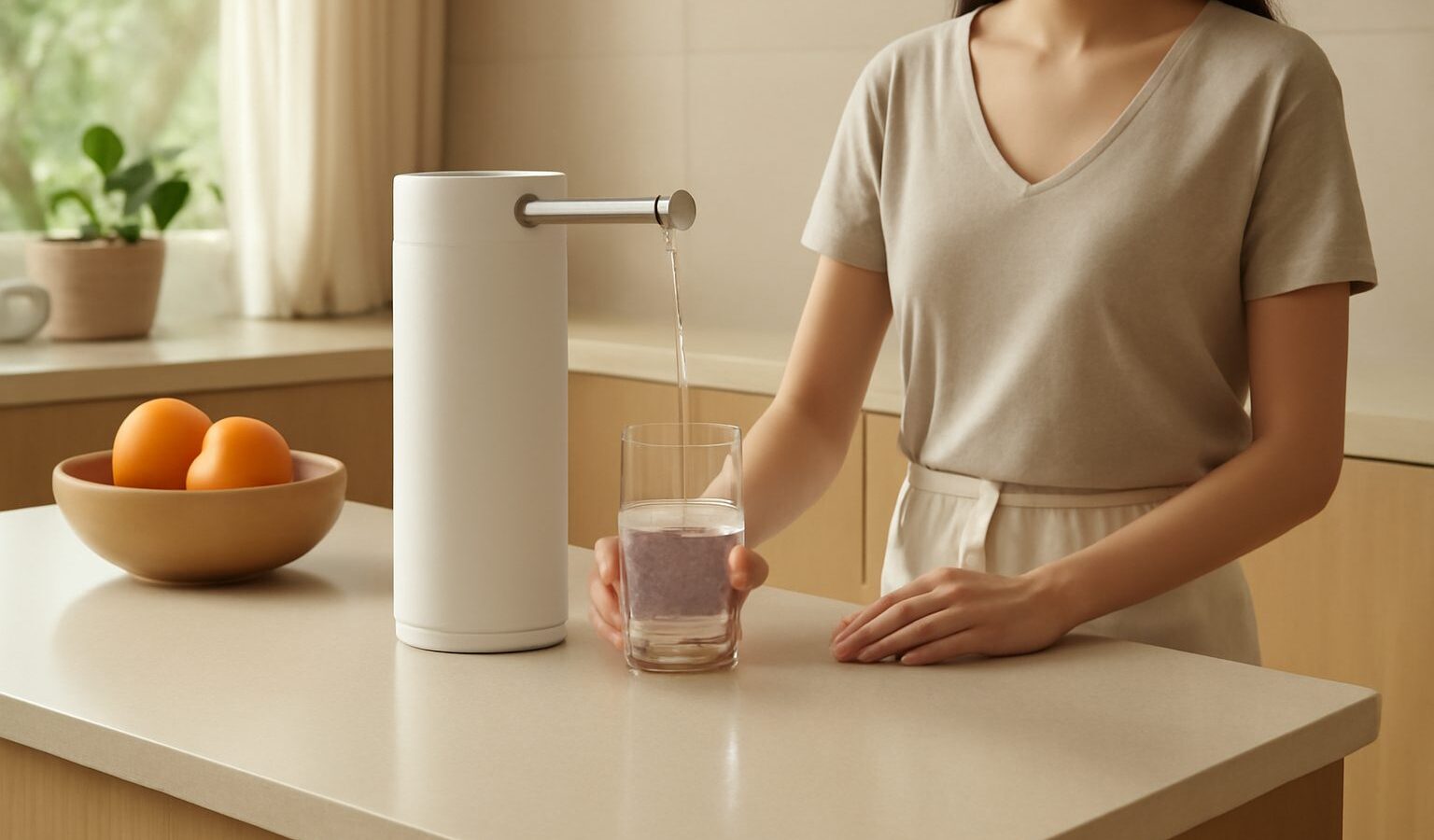
Shopping for a water purifier in Singapore starts with a fact worth stating plainly: our tap water is safe to drink straight from the tap. PUB treats and tests the supply to meet drinking-water standards, so you do not strictly need a filter to stay hydrated safely. Yet plenty of households still buy one, and that choice is usually about taste, habit, or convenience rather than necessity. This guide sorts through the filter types, the counter or cabinet formats, and the upkeep, so you can decide clearly instead of being talked into an expensive contract.
Start With the Facts on Singapore Tap Water
PUB, the national water agency, supplies water that meets World Health Organisation drinking-water guidelines and is safe to drink directly from the tap. That is the honest baseline, and any purifier pitch that implies our tap water is unsafe is overselling. You can pour a glass from the kitchen tap and drink it without treatment.
So why do so many homes still use a filter or purifier? The common, reasonable reasons are:
- Taste and smell. Some people notice a faint chlorine taste and prefer it filtered out, which activated carbon does well.
- Preference for chilled or hot water on tap. Many so-called purifiers are really dispensers that also heat and cool, saving the kettle and the fridge bottle.
- Older internal pipes or storage tanks. In some older buildings, residents like the reassurance of a final polishing filter at the tap, though the mains supply itself is treated.
- Habit brought from elsewhere. Households used to filtering water in other countries often keep the routine here.
None of these are health necessities. They are comfort and preference choices, and it is fine to skip a purifier entirely if plain tap water suits you.
Understanding the Common Filter Types
If you do want one, the marketing throws a lot of technical terms at you. In general terms, here is what the main filter stages actually do, described without any health claims.
- Activated carbon. The most common stage, carbon adsorbs substances that affect taste and odour, which is why filtered water often tastes smoother. It is the workhorse in most jug filters and countertop units.
- Sediment or fibre pre-filter. A basic mesh or spun filter that catches fine particles and grit, usually the first stage that protects the finer filters behind it.
- Reverse osmosis (RO). A membrane that pushes water through an extremely fine barrier, producing very pure water. RO systems are bulkier, need a drain connection, and waste some water in the process, so they are more machine than a simple filter.
- Ultraviolet (UV). A UV lamp is sometimes added as a final stage in dispensing systems. It runs on electricity and the lamp needs periodic replacement.
Most home units combine two or three of these stages. A simple carbon filter suits someone chasing better taste, while RO and UV systems are more elaborate and are usually built into larger dispensers. More stages mean more upkeep and cost, not automatically better everyday water for a supply that is already potable.
Countertop, Under-Sink or Dispenser
Format matters as much as the filter inside, especially in a compact HDB kitchen where counter space is scarce. The three common shapes suit different homes.
Countertop units and simple jug filters sit on the worktop and need no installation, which makes them ideal for renters and small kitchens. Under-sink systems hide in the base cabinet and feed a dedicated tap, keeping the counter clear but requiring plumbing work. Dispensers are the tall floor or countertop machines that filter and also chill and heat, popular with families who want instant hot and cold water but which take up real space and often come with subscription plans.
| Purifier format | Best for | Installation | Space and upkeep |
|---|---|---|---|
| Jug or countertop filter | Renters, small kitchens, taste only | None, just fill or connect to tap | Low cost, frequent cartridge swaps |
| Under-sink filter system | Owners wanting a clean counter | Plumbed in by a professional | Hidden, periodic filter changes |
| Hot and cold dispenser | Families wanting instant hot or cold | Freestanding or plumbed, uses power | Bulky, filter and sometimes UV lamp upkeep |
Prices and subscription terms vary widely, so read any rental or service contract carefully before signing, and compare current options at Courts, Harvey Norman, Best Denki, or on Shopee and Lazada. Watch out for long lock-in plans dressed up as cheap monthly fees.
Maintenance and Filter Changes
Whatever you choose, a purifier only helps if you actually change the filters on schedule. A neglected cartridge past its life does less than nothing, since a clogged, unchanged filter can become a spot for bacteria to grow. This is the part salespeople gloss over and the part that decides your real running cost.
Sensible upkeep habits:
- Follow the maker’s change interval. Carbon and sediment cartridges have a rated lifespan by time or volume, so mark the date you fitted them.
- Budget for consumables. Factor the ongoing cost of replacement filters, and for UV models the lamp, into your decision, not just the sticker price.
- Flush new filters. Run water through a fresh cartridge before drinking, as the instructions usually advise.
- Watch for slow flow or off taste. Both are signs the filter is spent and due for a swap.
- Clean the dispenser tank and drip tray. For hot-and-cold machines, wipe and sanitise the reservoir as directed.
If the upkeep feels like more effort than it is worth for water that is already safe, that is a fair conclusion, and a simple jug filter you can maintain easily may serve you better than an elaborate system you neglect.
Installation and When to Call a Professional
Countertop jugs and many faucet-mount filters are genuine do-it-yourself jobs that clip on without tools. The moment a system taps into your pipes, though, it stops being casual DIY. Under-sink units and plumbed dispensers connect to your water supply and sometimes a drain, and RO systems in particular need a proper drain line.
For any of that, engage a licensed plumber to make the connections into your supply, and use a licensed electrician if a dispenser needs a new power point near the sink. In an HDB flat, check HDB renovation rules and permits before altering pipework, and never improvise a connection that could leak inside a cabinet. A tidy, professionally fitted system is worth the callout fee compared with a slow leak you discover only when the cabinet floor swells. Our water heater and plumbing guide covers how these tap and pipe connections work and when a plumber is non-negotiable.
Explore more
Since a purifier lives or dies by its plumbing, read our water heater and plumbing guide for Singapore before you commit to an under-sink or dispenser system that taps into your pipes. For the bigger picture of kitting out a new kitchen, home appliance shopping in Singapore helps you set priorities, and building a sustainable home in Singapore is worth a look if cutting bottled-water waste is part of why you are filtering at home.