
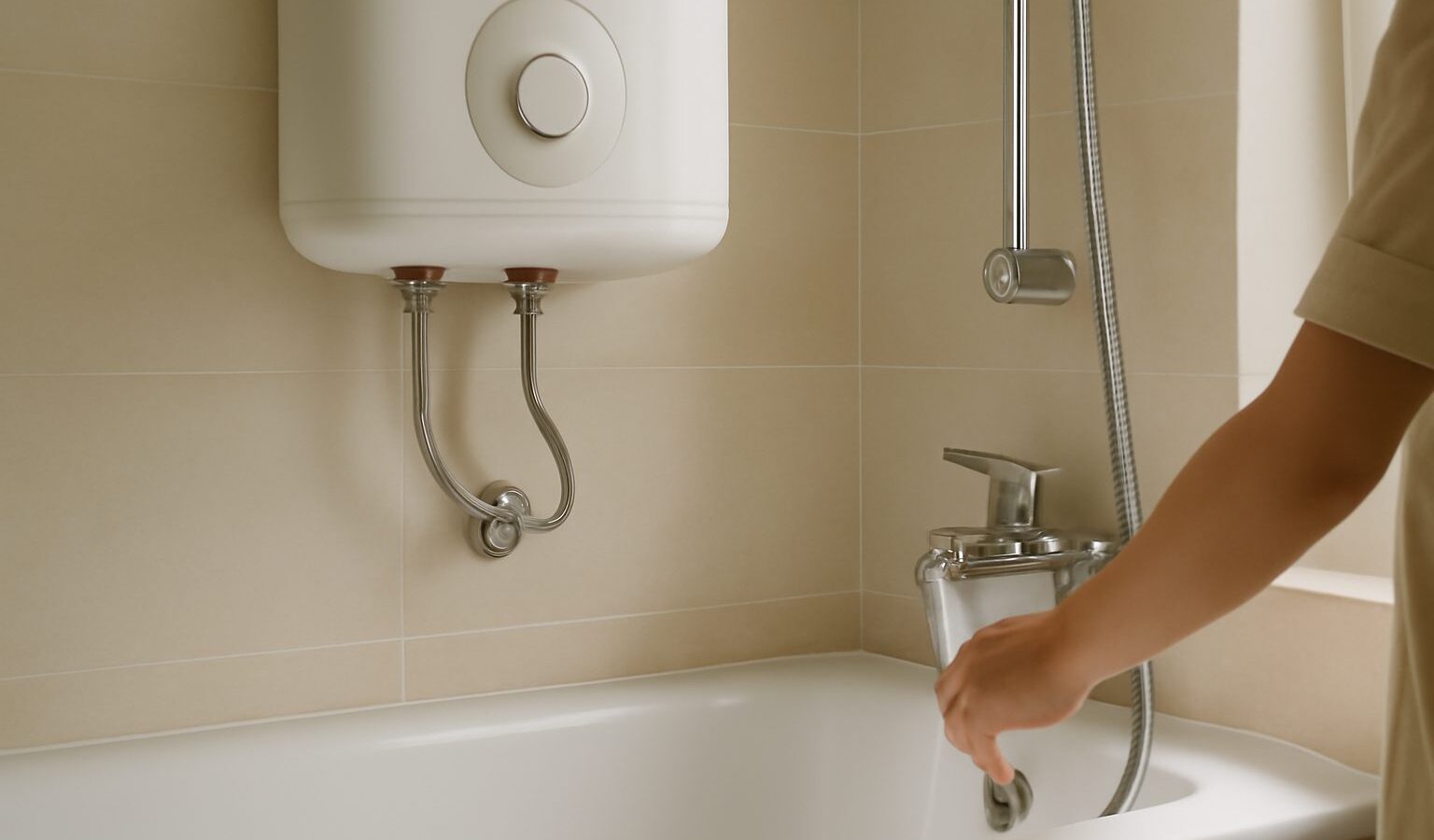
Hot water and reliable pipes are two things you only notice when they stop working. Getting your water heater plumbing in Singapore right from the start saves you from cold showers, water stains on the ceiling, and repair bills that arrive at the worst possible moment. Whether you are fitting out a new flat or replacing an ageing unit, this guide walks through the choices, the local rules, and the maintenance habits that keep everything running quietly in the background.
Singapore’s climate and housing stock shape a lot of these decisions. Our water is treated and clean, our homes are compact, and most of us live in HDB flats or condominiums where space and shared walls matter. That context changes what makes sense compared with a landed home overseas.
Instant Versus Storage Water Heaters
The first decision most households face is the type of heater. The two common options are instant (also called multipoint or single point) and storage.
An instant heater warms water on demand as it flows through the unit. It is compact, usually mounted in the bathroom, and never runs out because there is no tank to empty. The trade-off is a higher electrical load, so it needs proper wiring and often a dedicated circuit with an isolator switch.
A storage heater keeps a tank of water hot and ready. It handles higher flow well, which suits homes where two showers or a shower and a kitchen tap run at once. The tank takes up ceiling or cabinet space, and you can drain it if demand outstrips the tank size.
| Feature | Instant Heater | Storage Heater |
|---|---|---|
| Space needed | Small, wall mounted | Larger tank, often ceiling mounted |
| Hot water supply | Endless, single point | Limited by tank size, multi point |
| Electrical load | Higher instant draw | Lower, spread over time |
| Typical use | One bathroom, compact flats | Multiple outlets, larger homes |
| Heat up wait | None | Needs warm up time |
For a typical HDB flat with one or two bathrooms used at different times, an instant heater is often the simpler, cheaper choice. Larger homes or households where several taps run together tend to prefer storage. Whichever you pick, look for a unit that carries the required safety approval and check that any aesthetic or electrical device meets local standards before installation.
Understanding Your Home Plumbing System
Behind the walls, your plumbing splits into two broad jobs: bringing clean water in and carrying waste water out. The incoming supply runs under pressure from PUB’s mains to your taps, cistern, and heater. The waste side relies on gravity and traps to move water away and to block sewer smells.
Most Singapore homes use a mix of pipe materials. Older flats may still have galvanised steel in parts, while newer work commonly uses PPR (polypropylene) or PEX for supply lines and PVC for drainage. Copper appears less often now but is still valued for hot water runs.
A few features are worth knowing in your own home:
- The main stopcock, which shuts off the whole flat’s supply. Find it before you ever need it.
- Isolation valves under sinks and near the heater, so you can work on one fixture without cutting off everything.
- The water trap under each floor gully and basin, which holds a small water seal against odours.
Knowing where these sit turns a small emergency into a quick fix. When a hose bursts, the difference between a damp patch and a flooded flat is often just how fast you reach the stopcock.
Common Problems and Early Warning Signs
Most plumbing failures give you warning before they become serious. Learning to read the signs lets you act early, when repairs are cheaper and cleaner.
Watch for these:
- Dripping taps or a running cistern. Usually a worn washer or float valve. Small on their own, but they waste water steadily and push up your bill.
- Low or uneven pressure. Can point to a partially closed valve, a blocked aerator, or sediment build up in a storage heater.
- Damp patches or stains on ceilings and walls, especially in the bathroom or below it. These often signal a slow pipe leak or failing waterproofing.
- Water that never gets hot, or trips the power. A heater fault that needs a qualified check rather than a do it yourself poke.
- Gurgling drains or slow emptying. A partial blockage that is easier to clear before it becomes a full backup.
A water pipe leak inside a wall or ceiling can affect the unit below you, which is why acting promptly matters in shared buildings. If you see a stain spreading, trace it early and get it assessed rather than waiting to see if it grows.
When You Need a Licensed Plumber
Singapore takes water works seriously because the supply is shared and the standards protect everyone. Any work on the potable water supply, such as altering pipework connected to the PUB mains, must be carried out by a PUB licensed plumber. This is not the same as general handyman work, and using an unlicensed person for supply alterations can leave you liable if something goes wrong.
You can usually handle small jobs yourself, such as replacing a tap washer, changing a shower head, or clearing a simple blockage with a plunger. Bring in a licensed professional for:
- New or altered connections to the incoming water supply
- Water heater installation involving the supply line and electrical isolation
- Persistent leaks inside walls, ceilings, or concealed pipes
- Anything that affects a neighbour’s unit or common property
In HDB flats and condominiums, check whether your work needs approval from HDB or the management corporation, particularly if it touches common areas, structural walls, or shared risers. Renovation works that alter waterproofing or wet areas usually fall under renovation permit rules, so confirm the current requirements before you start.
Simple Maintenance That Extends Equipment Life
A little routine care keeps both heater and pipes healthy and delays the day you need a full replacement.
- Flush a storage heater periodically to clear sediment, following the maker’s guidance. Sediment reduces efficiency and shortens tank life.
- Switch off the heater when away for long periods to save power and reduce wear.
- Check exposed connections near the sink and heater now and then for damp, corrosion, or a loose fitting.
- Keep drains clear by using a strainer and avoiding oil and hair going down the pipe.
- Test isolation valves occasionally so they do not seize up when you finally need them.
If your heater is more than about ten years old, budget for replacement rather than repeated repairs. Older units lose efficiency and the risk of an electrical or leak fault rises. Planning the change on your own terms beats reacting to a failure.
This is general information and not personalised technical, safety, or professional advice. For any work on your water supply or electrical connections, engage a licensed professional and confirm current requirements with the relevant authority.
Explore More
Sorting out water heaters and pipes usually happens alongside bigger works, so read our bathroom renovation guide and the renovation cost and timeline guide before you commit. If you are fitting out a fresh flat, renovating your HDB flat and our home maintenance checklist will help you keep everything in good order.