
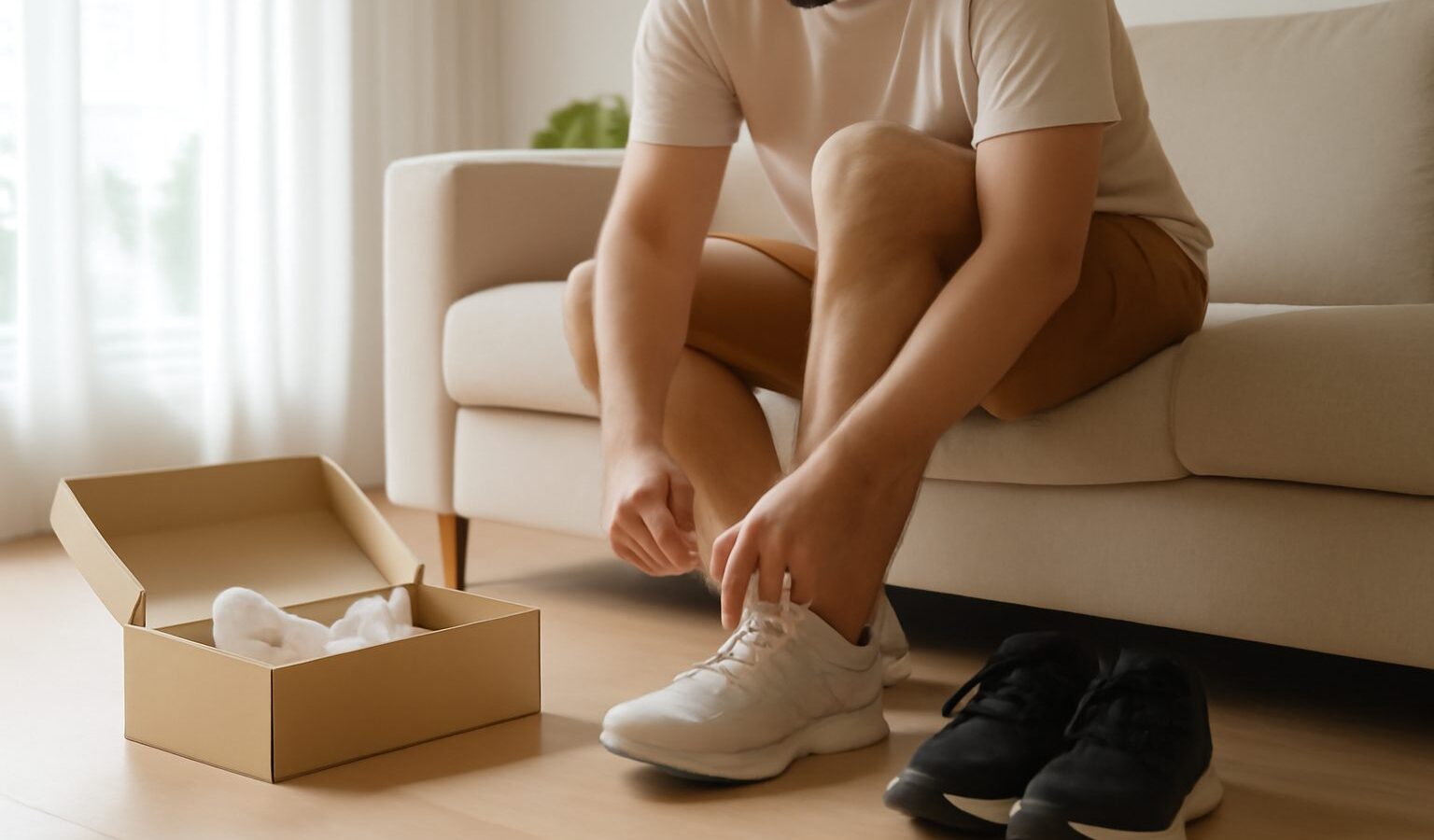
The right pair of running shoes is the most important piece of kit any runner owns. Good shoes make your runs more comfortable, help you stay consistent, and can reduce the aches that tempt beginners to quit. Yet the wall of options in any store, foam types, drop numbers, stability features and eye-watering prices, can be overwhelming. This guide cuts through the noise so you can choose running shoes Singapore runners will actually enjoy, whether you are pounding park connectors or exploring trails.
One honest note first. This is general information, not medical advice. Feet, gaits and needs vary, so if you have pain, a foot condition, or a history of injury, consult a doctor or a physiotherapist before making big changes. And please build up any new activity gradually and listen to your body.
Fit Comes First
Before you think about brands or technology, get the fit right. A shoe that fits well prevents blisters, black toenails and hot spots, all of which are worse in our humid climate where feet swell and sweat.
- Leave room at the toes. Aim for roughly a thumb’s width between your longest toe and the end of the shoe. Feet swell on long runs and in the heat, so a snug race fit often feels too tight after 10km.
- Lock the heel and midfoot. Your heel should not slip, and the midfoot should feel secure without pinching.
- Shop later in the day. Feet are largest in the afternoon and evening, closer to their running size.
- Wear your running socks. Bring the socks you actually run in so the fit is realistic.
- Test both feet. Most people have one foot slightly larger; fit to the bigger one.
If you can, try shoes on and jog a few steps in the store. Many specialist running shops in Singapore will let you test on a treadmill or outside, and some offer a simple gait check. Comfort on the spot is the single best predictor of whether a shoe will work for you.
Understanding Cushioning and Support
Modern running shoes come in a spectrum from soft and plush to firm and responsive. There is no single best option; it depends on your body, your runs and your preference.
- Cushioning: More foam feels softer and can be forgiving for longer, easier runs and heavier runners. Firmer, lower-profile shoes feel faster and more connected to the ground, which some runners prefer for shorter or quicker sessions.
- Support and stability: Some shoes add structure to guide the foot for runners whose ankles roll inward significantly. Many runners do not need this, and a comfortable neutral shoe is a perfectly good default. Do not assume you need a stability shoe unless comfort or a professional assessment points that way.
- Heel-to-toe drop: This is the height difference between heel and forefoot. Lower drops shift more load to the calves and Achilles, higher drops less so. If you switch to a very different drop, transition slowly to let your body adapt.
The most reliable guide is comfort during a short test run, not the marketing on the box. A shoe that feels natural and lets you forget about your feet is doing its job.
Matching Shoes to Where You Run
Where you run shapes what you need. Most Singapore running happens on pavements, park connectors and stadium tracks, but trails at places like MacRitchie, Bukit Timah and the Rail Corridor call for different features.
| Shoe type | Best for | Key features | Good to know |
|---|---|---|---|
| Daily road trainer | Everyday runs on roads and connectors | Balanced cushioning, durable outsole | The versatile all-rounder for most runners |
| Lightweight or tempo | Faster sessions and races | Lower weight, responsive feel | Less cushioning, less durable over time |
| Stability | Runners needing extra guidance | Firmer support structures | Only if comfort or a pro assessment suggests it |
| Trail shoe | Muddy, uneven nature trails | Grippy lugged outsole, tougher upper | Grip helps after rain; overkill on pavement |
For most people starting out, one comfortable daily road trainer covers the vast majority of runs. You can add a second pair later, such as a lighter shoe for speed or a trail shoe for off-road adventures, once you know what you enjoy.
Coping With Heat, Sweat and Rain
Singapore’s climate is hard on shoes and feet alike. Constant humidity means feet sweat heavily, and sudden downpours leave shoes soaked.
A few habits keep things comfortable and hygienic:
- Choose breathable uppers. Lightweight mesh dries faster and keeps feet cooler.
- Rotate pairs if you can. Alternating two pairs lets each dry fully between runs, which is more comfortable and can extend their life.
- Dry them properly. After a wet run, remove the insoles, stuff shoes loosely with newspaper or a cloth, and air them in the shade. Avoid direct sun or a dryer, which can degrade the foam and glue.
- Mind the socks. Moisture-wicking running socks reduce blisters far more than cotton, which stays wet.
Taking care of your shoes not only makes them last longer, it keeps them fresher in a climate where damp gear quickly turns unpleasant.
When to Replace Your Shoes
Running shoes wear out, and worn shoes offer less cushioning and support, which can make runs feel harder and may raise injury risk. Rather than fixating on an exact figure, watch for the signs.
- The midsole feels flat, hard, or noticeably less bouncy than when new.
- The outsole tread is visibly worn smooth, especially at your usual contact points.
- Aches in your feet, shins or knees appear or worsen without another cause.
- The upper is stretched, torn, or no longer holds your foot securely.
Many runners find a well-used daily trainer needs replacing after several hundred kilometres, but this varies widely with your weight, gait, surfaces and the shoe itself, so treat any number as a rough guide rather than a rule. When in doubt, how the shoe feels underfoot is a better signal than the calendar.
Buying Smart in Singapore
You will find running shoes across specialist running stores, general sports retailers, and online. Specialist shops offer fitting help and advice that is genuinely valuable for beginners, while online shopping can be cheaper if you already know your size and model. Sales, seasonal clearances and previous-season colours are good ways to save. Prices, stock and models change constantly, so check current availability and pricing with the retailer directly.
Above all, do not be seduced by the most expensive or hyped shoe. The best running shoe for you is the one that fits well, feels comfortable, and suits where and how you run. Get that right and everything else, from your first easy jog to your longest race, becomes a lot more enjoyable.
Explore more
New shoes are more fun with a plan to use them. If you are just getting going, see our guides on how to start running in Singapore and training for your first 5K in Singapore. And to keep those legs healthy, read our tips on avoiding running injuries in Singapore.