
Running is one of the simplest, cheapest ways to get fit. You do not need a gym membership or fancy equipment, just a pair of shoes and a bit of pavement, and Singapore has plenty of that. If you want to start running in Singapore but feel unsure about the heat, your fitness level, or where to even go, this friendly guide will walk you through it. The goal is not to become an elite athlete overnight. It is to build a habit you actually enjoy and can keep for years.
Before we lace up, one honest note: this article is general information, not medical or coaching advice. If you have a health condition, are older, are carrying extra weight, or are returning after a long break, please consult a doctor before starting a new exercise programme. Warm up, progress gradually, and listen to your body.
Start with Walking, Then Add Running
The biggest mistake new runners make is going out too hard and too fast, then feeling wrecked and quitting. The kinder, smarter approach is the walk-run method. You alternate short bouts of easy jogging with walking breaks, and over the weeks you gradually shift the balance towards more running.
A simple way to begin is to head out for around twenty to thirty minutes and mix gentle jogging with walking whenever you need to catch your breath. In the early weeks you might walk more than you run, and that is completely fine. As your fitness improves, the jogging stretches naturally get longer and the walking breaks shorter. Aim for three sessions a week with rest days in between, so your muscles, joints and tendons have time to adapt.
Keep your effort conversational. If you can chat in short sentences while jogging, you are at a good pace. If you are gasping, slow down. Building the habit matters far more than speed at this stage.
Beat the Heat and Humidity
Singapore’s tropical climate is the one thing every new runner has to respect. Running here in the middle of the day can leave you overheated and demoralised, so plan around the weather rather than fighting it.
- Run early or late. The cooler windows are early morning, ideally before the sun is high, or in the evening after it sets. Shaded park connectors help too.
- Hydrate around your runs. Drink water before you head out and rehydrate afterwards. For short beginner runs plain water is usually enough. Carry a small bottle on longer or hotter days.
- Dress light. Breathable, moisture-wicking clothing, a cap or visor, and sunscreen for daytime runs make a real difference.
- Know the warning signs. Dizziness, nausea, a pounding headache, or stopping sweating are red flags for heat stress. If they appear, stop, get into shade, hydrate and cool down. Seek medical help if you do not recover quickly.
Give yourself a few weeks to acclimatise. Your body genuinely adapts to running in the heat, and paces that felt brutal at first become manageable.
Where to Run: Singapore’s Best Beginner Spots
You are spoilt for choice. The islandwide network of Park Connectors links neighbourhoods with mostly flat, sheltered paths that are perfect for easing in. Parks and reservoirs offer scenery that makes the time fly, and they are gentler on the mind than staring at traffic.
| Where to run | Best for | Good to know |
|---|---|---|
| Park Connectors (PCN) | Everyday beginner runs near home | Flat, well lit, links HDB estates; easy to do a short out-and-back |
| Neighbourhood parks | Short, safe loops | Water coolers and toilets nearby; family friendly |
| Reservoir and coastal parks | Scenic longer runs | More distance and shade; can get busy at peak times |
| ActiveSG stadium tracks | Measuring pace and distance | Public tracks let you count laps; check opening times and any fees |
| Treadmill at ActiveSG gyms | Rainy days and full heat control | Book via the ActiveSG app; a cushioned backup option |
ActiveSG, run by Sport Singapore, operates public stadiums, tracks and gyms across the island, and the ActiveSG app is the easiest way to check facilities and book slots. Availability, opening hours and any fees change, so confirm the current details with ActiveSG or the venue before you go. Start with routes close to home. The easier it is to get out the door, the more consistent you will be.
Gear, Form and Staying Injury-Free
You do not need much to start running, but two things are worth getting right: your shoes and your progression. A supportive pair of running shoes that fits your feet reduces the risk of aches and blisters far more than any gadget. Cotton tees will leave you soaked, so a couple of technical shirts are a worthwhile early buy.
On form, keep it relaxed. Stand tall, look ahead rather than at your feet, land softly, and let your arms swing easily. Do not overthink it; your body finds an efficient rhythm as you log more time on your feet.
The golden rule for staying injury-free is patience. Increase your running time or distance gradually rather than in big leaps, and never ignore persistent pain. Some muscle soreness after a run is normal, but sharp pain, swelling, or an ache that lingers for days is your cue to rest and, if it does not settle, to see a doctor or physiotherapist. They can diagnose and treat properly; this guide cannot. Warming up with a brisk walk and some easy movement, plus a gentle cool-down, goes a long way.
Build the Habit and Keep It Fun
Motivation gets you started, but habit keeps you going. A few practical tricks help enormously:
- Schedule it. Pick fixed days and treat them like appointments. Same time, same days, less negotiating with yourself.
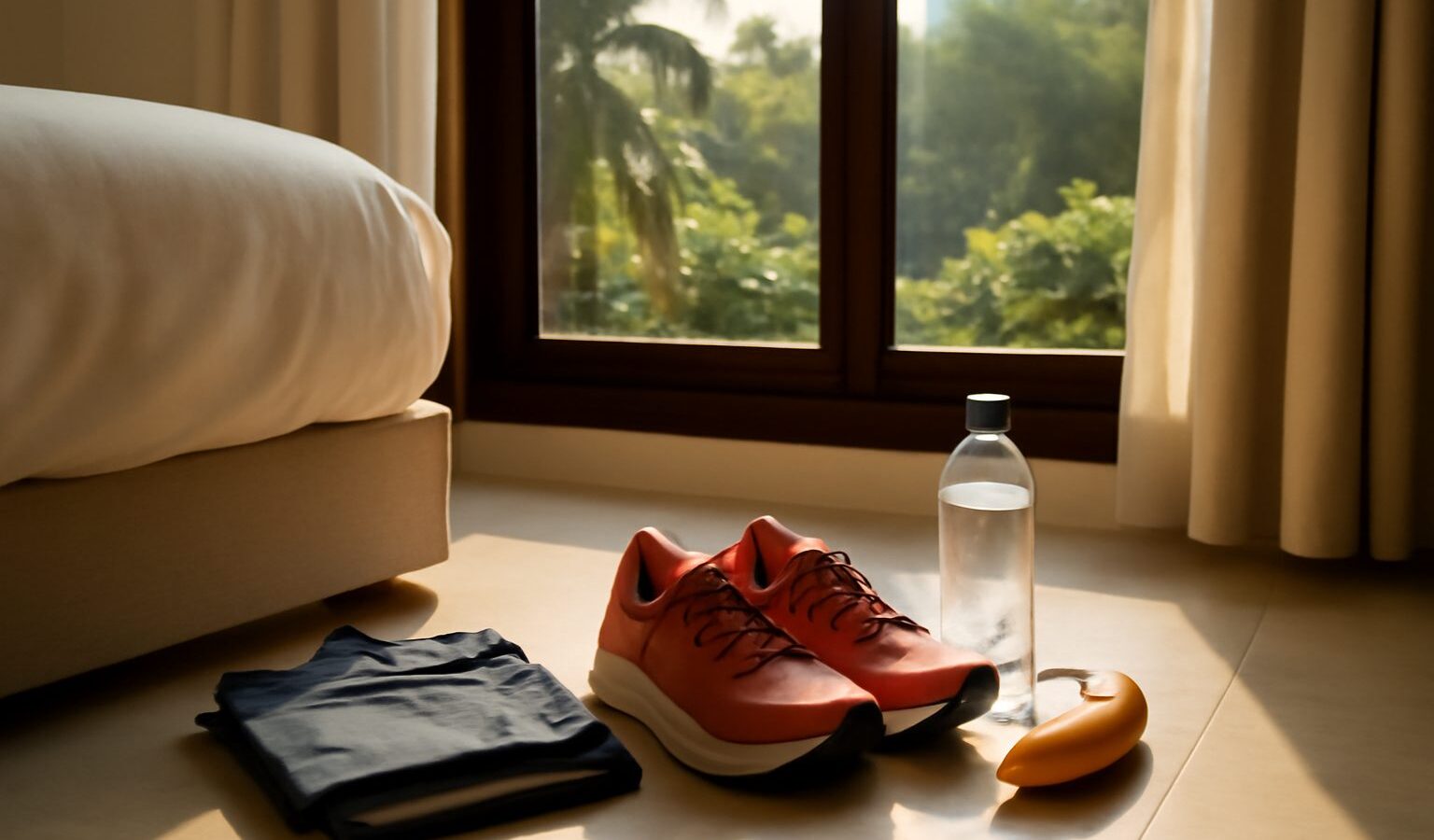
- Lay out your kit the night before. Removing friction makes early runs far more likely to happen.
- Track your progress. A simple app or notebook showing your runs adds up into satisfying proof that you are improving.
- Find company. Running with a friend or joining a group makes the time social and keeps you accountable.
- Set a gentle goal. Working towards a first short race gives your training direction without piling on pressure.
Celebrate small wins. Running longer without a walking break, finishing a route that once felt impossible, or simply showing up on a tired day all count. Progress in running is rarely a straight line, and that is normal. Be kind to yourself on the slow weeks and keep turning up.
Starting is genuinely the hardest part, and you have already taken it by reading this far. Lace up, head out for an easy twenty minutes, and let the habit grow from there.
Explore more
Once you are moving comfortably, the right footwear makes every run better, so read our guide to choosing running shoes in Singapore. When you are ready for a target to train towards, our guide to training for your first 5K in Singapore maps out the next step. And to keep your runs enjoyable in the climate, see our tips on staying fit in Singapore’s heat.