
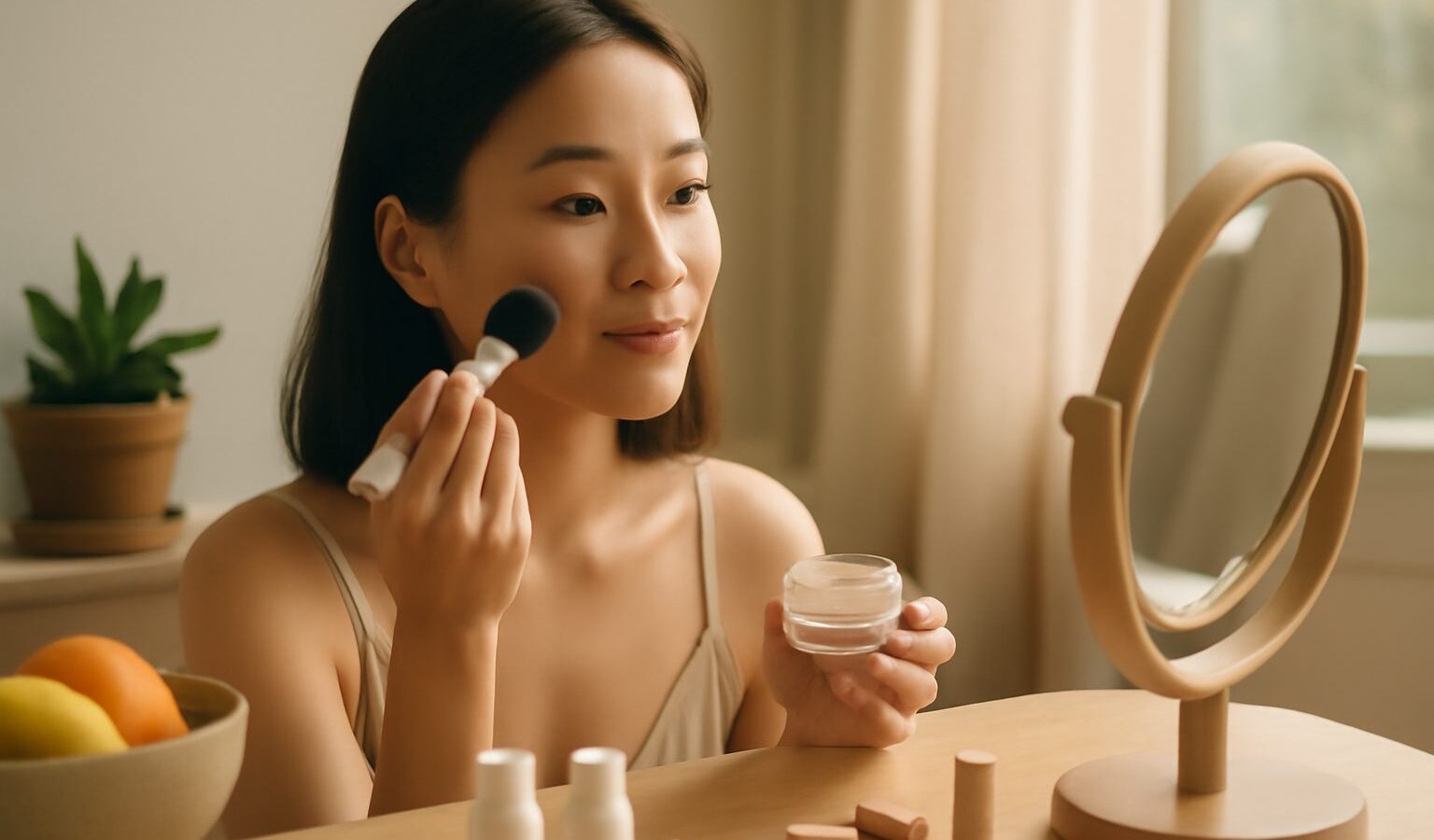
Shopping for cruelty-free makeup in Singapore can feel confusing, with words like “clean”, “natural”, “vegan” and “cruelty-free” splashed across packaging as if they all mean the same thing. They do not. Once you know what each term actually promises, and which ones are backed by real standards, it becomes much easier to choose products that match your values without overspending or falling for marketing. This guide breaks down the labels, the logos, and where to find kinder brands here.
This is general beauty information, not medical advice. If your skin reacts to a product, or you have a skin condition, please see a doctor or dermatologist, and patch-test anything new.
What the words actually mean
The terms on a makeup box often overlap, but each points to something specific. Getting them straight is the first step to shopping with confidence.
- Cruelty-free means the finished product and, ideally, its ingredients were not tested on animals. The strongest claims are backed by third-party certification rather than a brand’s own word.
- Vegan means the formula contains no animal-derived ingredients, such as beeswax, carmine (a red colour from insects), lanolin, or certain forms of collagen. A product can be vegan but still tested on animals, or cruelty-free but not vegan, so the two are not interchangeable.
- Clean beauty is the loosest term of all. It generally suggests a brand avoids ingredients it considers questionable, but there is no single legal definition, so one brand’s “clean” is not another’s.
- Natural and organic refer to ingredient sourcing, not animal testing or safety. Natural does not automatically mean gentler, and plenty of natural ingredients can still irritate sensitive skin.
Keep in mind that “chemical-free” is a marketing phrase with no real meaning, since everything, including water, is a chemical. Focus on the claims that carry weight.
Reading labels and logos with confidence
Because anyone can print a friendly rabbit on a box, look for recognised third-party certifications rather than a vague drawing or slogan. A few logos do the heavy lifting.
- Leaping Bunny is one of the most rigorous cruelty-free standards, with ongoing checks along the supply chain.
- PETA’s cruelty-free bunny signals a brand’s commitment not to test on animals, and a separate mark flags vegan products.
- Certified vegan logos confirm there are no animal-derived ingredients.
If a product only says “not tested on animals” with no certifying body, treat it as a softer claim. It may be genuine, but it is unverified. When in doubt, check the brand’s own website, where committed companies usually explain their policy and certifications clearly. Ingredient lists help too: spotting carmine, lanolin, or beeswax tells you a product is not vegan, even if it is cruelty-free.
Cruelty-free, vegan or clean: a quick comparison
Here is how the main labels stack up side by side, so you can decide what matters most to you.
| Label | What it promises | What it does NOT promise | Look for |
|---|---|---|---|
| Cruelty-free | No animal testing of the product | That it is free of animal ingredients | Leaping Bunny or PETA logo |
| Vegan | No animal-derived ingredients | That it was never tested on animals | Certified vegan mark |
| Clean beauty | Avoids ingredients the brand flags | Any fixed or legal standard | The brand’s own ingredient policy |
| Natural / organic | Plant-based or organic sourcing | Gentleness, safety, or cruelty-free status | Reputable certifying body |
Many thoughtful brands are both cruelty-free and vegan, but never assume. A quick logo check at the shelf saves disappointment later.
Where to shop kinder brands in Singapore
You do not need to import everything or pay a premium to shop this way. Plenty of cruelty-free and vegan options are within easy reach here.
- Sephora carries a wide range of cruelty-free and vegan brands, and its site often lets you filter by these values.
- Watsons and Guardian stock affordable drugstore brands, a growing number of which are certified cruelty-free, so read the boxes.
- Department stores at malls like ION Orchard and Takashimaya hold both prestige and niche labels, many with clear policies.
- Shopee and Lazada widen your choices, especially for regional and international brands, though you should buy from official brand stores to avoid counterfeits, which carry no safety or cruelty-free guarantees.
Price does not decide kindness. There are wallet-friendly cruelty-free options and luxury ones alike, so you can build a whole routine on almost any budget.
Building a kinder makeup bag, step by step
You do not have to bin everything you own and start over. A gradual switch is more sustainable and less wasteful.
- Finish what you have. Use up your current products rather than throwing out good makeup, which only adds waste.
- Replace as you go. When something runs out, choose a certified cruelty-free or vegan version next time.
- Start with staples. Foundation, mascara, and lipstick are easy first swaps, since many certified options exist at every price.
- Keep a short list. Note two or three brands you trust so restocking is quick and you are not decoding labels every visit.
- Patch-test new items. Cruelty-free does not mean irritation-proof. Introduce products slowly and stop if your skin reacts. Results vary from person to person.
If a product causes redness, itching, or a rash, stop using it and see a doctor or dermatologist. Sensitive eyes or persistent reactions always deserve professional advice rather than trial and error.
Questions that often trip people up
A few grey areas cause the most confusion, so it helps to name them plainly. The first is brand ownership: a cruelty-free label can sit under a larger parent company whose other brands still test on animals, which some shoppers mind and others do not, so decide where you stand and check whether it matters to you. The second is where a brand chooses to sell, since some markets have at times required animal testing for certain imported cosmetics, and a brand’s cruelty-free status can hinge on how it handles that. Vegan and cruelty-free trip people up too, because a product can honestly be one without being the other; carmine or beeswax makes a cruelty-free lipstick non-vegan, while a vegan formula could still have been tested on animals somewhere. And it is worth repeating that “clean” is not a regulated term in Singapore or most other places, so on its own it tells you little without an ingredient policy behind it. None of this means kinder shopping is impossible or that you need to become an expert. It simply means a recognised certification and the brand’s own written policy carry far more weight than a friendly word printed on the front of the box.
Explore more
Ready to shop with intention? Our guide to where to buy makeup in Singapore maps out the best stores for kinder brands, while affordable makeup and dupes shows how to stay cruelty-free on a budget. New to it all? Start with makeup for beginners to build a simple, values-led kit.