
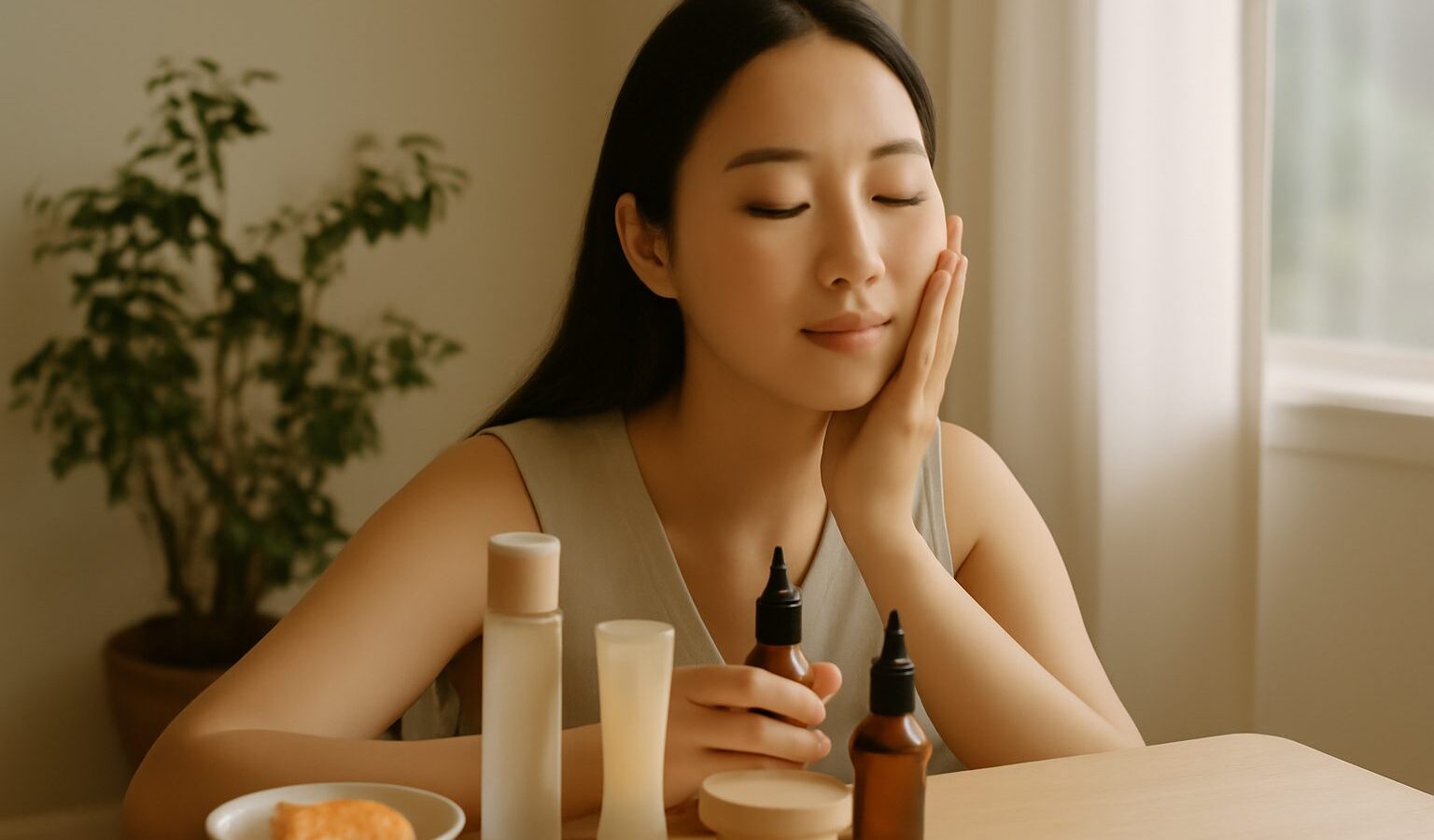
If you have just moved from mainland China, one of the small surprises is walking into a Singapore pharmacy or department store and not finding the lipstick, cushion or sunscreen you used every day at home. Singapore shelves lean towards Japanese, Korean, Western and local brands, and C-beauty (Chinese beauty) has a much smaller physical presence here than you may be used to. The good news is that most Chinese makeup brands Singapore shoppers want are still reachable, through regional online stores, some local retailers, or cross-border shopping.
This guide is for newcomers who want their familiar products, and for anyone curious about C-beauty. It covers what is likely to be available, how to buy, and what to check so your purchases arrive safely and suit Singapore’s climate.

Why Your Usual Brands Are Harder to Find Here
In China, many beauty brands grew up on Tmall, Douyin and Xiaohongshu rather than in shops. Their marketing, pricing and promotions are built for the mainland market. Expanding overseas means new packaging, English labelling, local distributors and regulatory steps, so only some brands make the move, and the range they bring is often smaller.
In Singapore, cosmetic products are regulated by the Health Sciences Authority (HSA). Companies supplying cosmetics locally have regulatory responsibilities, including notifying HSA before products are sold. This is one reason the local range of any overseas brand can be narrower than at home. HSA’s website explains the cosmetics rules and publishes alerts about products found with undeclared or banned ingredients, which is worth a look if you shop widely online.
Well-Known C-Beauty Brands and What They Are Known For
These are some of the Chinese brands that mainland newcomers most often look for. Availability in Singapore changes frequently, so treat this as a list of names to search for, not a guarantee of stock.
- Florasis (花西子): known for ornate, heritage-inspired packaging and setting powders. One of the brands that has pushed most actively into overseas markets.
- Perfect Diary (完美日记): affordable, trend-led eyeshadow palettes and lipsticks, very popular with students and young professionals.
- Judydoll (橘朵): budget-friendly single eyeshadows, blushes and contour, popular for customising a look cheaply.
- Colorkey (珂拉琪): known for lip glazes and mirror-finish lip products.
- Flower Knows (花知晓): whimsical, collectable packaging with themed collections.
- Mao Geping (毛戈平): a premium brand founded by a well-known makeup artist, known for complexion and contour products.
- Proya (珀莱雅) and Winona (薇诺娜): skincare rather than makeup. Winona is especially associated with products for sensitive skin.
Many of these brands are part of the guochao (国潮, “national trend”) movement, which blends traditional Chinese motifs with modern beauty. If you are curious how C-beauty sits alongside other styles, our piece on K-beauty vs Western makeup styles is a useful comparison.
Ways to Buy: Local, Regional or Cross-Border
| Buying route | What to expect | Watch out for |
|---|---|---|
| Physical retailers and pop-ups in Singapore | Try shades in person, English labels, local returns | Small range, items can come and go, check current stockists on the brand’s official channels |
| Official brand stores on regional platforms such as Shopee or Lazada | Local or regional delivery, payment in S$, buyer protection | Confirm the store is marked as the brand’s official or authorised seller |
| Cross-border from Taobao or Tmall | Full mainland range, familiar promotions and Chinese interface | Shipping fees, longer delivery, GST, harder returns |
| Asking friends or family to bring items back | Exact products you know | Airline liquid and aerosol rules, quantity for personal use only |
Cross-border tips. Taobao and Tmall offer international shipping to Singapore on many items, and there are freight consolidation services that combine several parcels into one shipment. A few things to keep in mind:
- GST applies to many overseas purchases. Singapore charges GST on imported goods, including low-value goods bought online, and on large purchases import GST may be collected at the border. The rules have changed in recent years, so check IRAS and Singapore Customs for the current position.
- Liquids, aerosols and flammable items such as nail polish, setting sprays and some perfumes may be restricted by certain shipping methods. The listing or the forwarder will usually say if an item cannot be sent by air.
- Returns are difficult. Shade mistakes on a cross-border order are rarely worth returning. Order a shade you already know, or start with one item.
- Personal use. Buying for yourself is different from buying stock to resell. If you are thinking of selling C-beauty products in Singapore, that brings regulatory obligations with HSA, so check their guidance first.
Spotting Fakes and Grey-Market Products
Popular Chinese brands are widely counterfeited, and the problem follows you across borders. To reduce the risk:
- Buy from the brand’s official flagship store, or from sellers it lists as authorised.
- Be wary of prices far below what you remember paying on Tmall during big sales.
- Check packaging for spelling errors, poor printing, missing batch codes or a different smell and texture from what you know.
- Look at the expiry date or batch code, especially for products shipped over long distances in the heat.
- Stop using any product that causes irritation and, if a reaction is significant, see a doctor or pharmacist.
Adjusting Your Routine for Singapore’s Climate
Even with your favourite brands in hand, Singapore’s weather is very different from Beijing winters or Shanghai springs. Hot, humid days year-round affect how products wear.
- Lighter bases last better. Heavy, full-coverage foundations that worked in a dry northern winter can slide off by lunchtime. Many people switch to cushions, skin tints or a lighter layer with setting powder.
- Oil control and setting matter more. Setting powders and sprays, which C-beauty brands do well, are useful here.
- Sunscreen every day. UV is strong all year. Choose a lightweight texture you will actually reapply.
- Waterproof eye products help in sudden downpours and in sweaty, crowded commutes.
- Storage. Keep products out of hot cars and direct sun. Some formulas separate in heat, so a cool drawer is better than a sunny window ledge.
If you are building a more sustainable routine at the same time, a greener beauty and skincare routine has ideas that work with any brand.
Finding Local Alternatives and Community Tips
When a favourite product is not available, it is worth exploring similar ones locally. Pharmacies and beauty stores in Singapore carry a broad range of Japanese and Korean brands, many of which suit East Asian skin tones and humid weather. Ask staff for a shade match, and try testers on your jaw rather than your hand.
Mainland newcomer communities are also a great resource. WeChat groups and Xiaohongshu posts by people living in Singapore often share where a brand has popped up, which official online stores ship reliably, and which products survive the humidity. Treat these tips as starting points and confirm through official brand channels.
A Simple Plan for Your First Few Months
- List the three to five products you truly cannot do without.
- Check each brand’s official website or social accounts for a Singapore or regional stockist.
- Search regional platforms for the brand’s official store.
- For anything left, place one small cross-border order to learn the shipping time and costs.
- Adjust textures for the climate as you go.
With a little patience, your old favourites can sit alongside new local discoveries, and you will soon have a routine that feels like home.
Further reading: Clean and Cruelty-Free Makeup Made Simple