
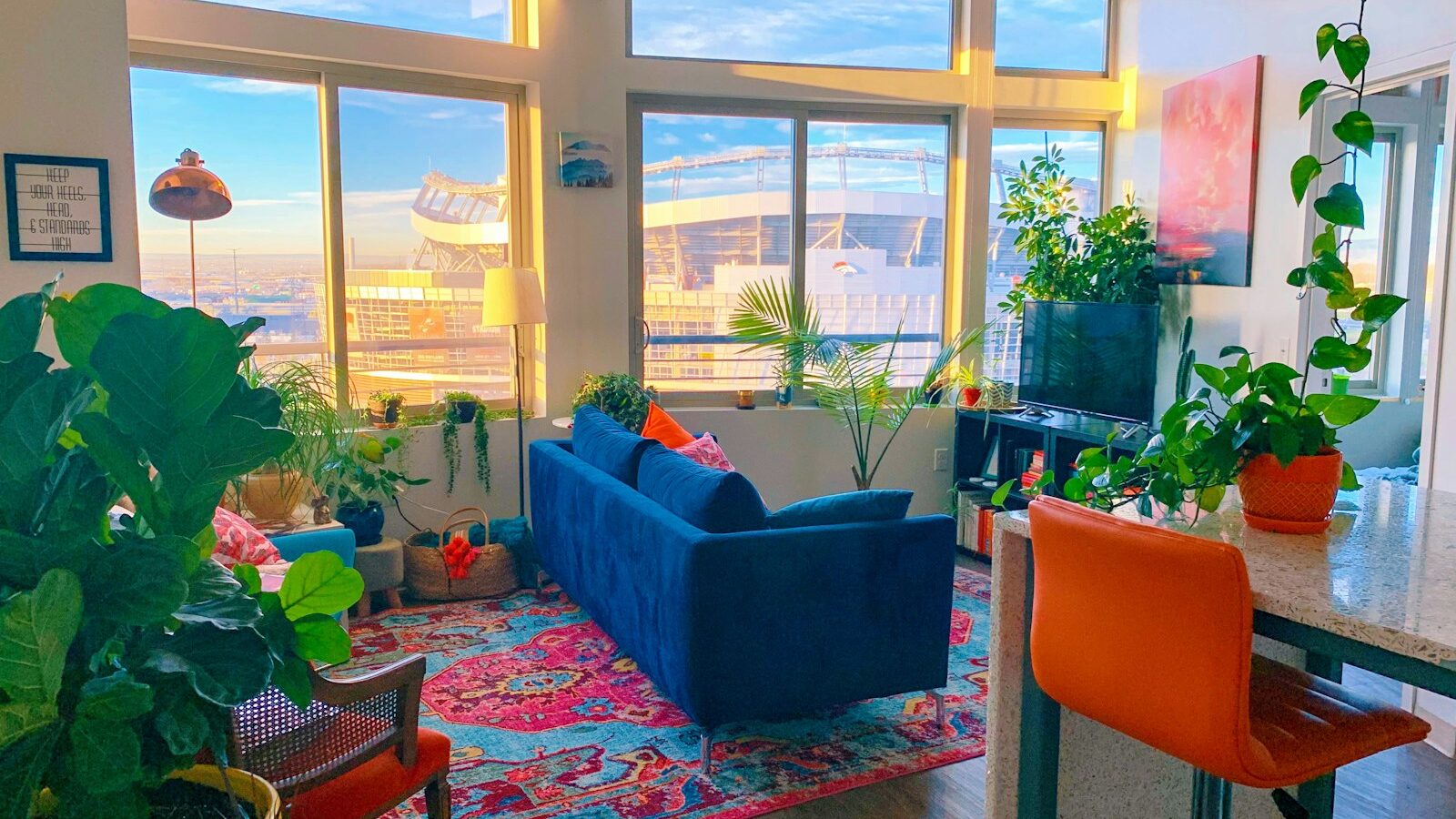
Renting a whole flat or condo is not the only way to have a home here. Co-living in Singapore has grown into a popular middle path, offering a furnished private room, shared common spaces, and a bundle of services under one monthly fee. It suits students, young professionals, newcomers and anyone who values flexibility over a long solo lease. This guide explains how co-living and shared housing actually work, what your fee does and does not cover, the rules to check before you sign, and who this lifestyle suits best.
Shared housing is not new. Singaporeans have long rented out spare rooms and shared flats to split costs. What co-living adds is a managed, hospitality style layer on top: professionally run spaces, ready furnishings, and community events, usually arranged by an operator rather than an individual landlord.
What Co-Living Actually Means
At its simplest, co-living means renting a private bedroom in a larger home while sharing the kitchen, living room and sometimes bathrooms with other residents. The distinguishing feature is the operator who furnishes the unit, manages it, and packages the rent with services.
Common features you may find include:
- A furnished private room, sometimes with an ensuite bathroom.
- Shared kitchens, lounges and laundry facilities kept up by the operator.
- A single monthly fee that often bundles utilities, wifi and cleaning of common areas.
- Flexible lease lengths, from a few months to a year, depending on the operator.
- Community touches such as events, member apps and on site support staff.
Co-living properties can be private condos, landed houses or apartments taken on by an operator and sublet room by room. Because the model varies widely, always read the specific agreement rather than assuming a standard package.
How Shared Housing Differs From a Whole Unit Rental
Renting a room in a shared home is a different commitment from leasing an entire flat. The table below compares the main options so you can see which fits your stage of life.
| Feature | Co-living room | Renting a spare room | Whole unit rental |
|---|---|---|---|
| What you get | Private room, shared spaces, services | Private room in someone’s home | The entire flat or condo |
| Furnishing | Usually fully furnished | Varies, often partly furnished | Often unfurnished or partly |
| Lease length | Often flexible, short terms | Negotiable with the landlord | Usually one to two years |
| Bills and wifi | Often bundled in one fee | Sometimes shared, sometimes split | Usually paid separately |
| Best for | Newcomers, flexibility seekers | Budget renters, sociable tenants | Families, couples, privacy |
There is no single best choice. A whole unit offers the most privacy and control, renting a spare room is often the most affordable, and co-living trades a higher fee for convenience and community. Think about how long you plan to stay and how much you value flexibility.
What Your Fee Covers, and What It Might Not
The appeal of co-living is the all in one fee, but the exact inclusions differ by operator, so read the breakdown carefully. Do not assume anything is included until you see it in writing.
Typically bundled items may include:
- Rent for your private room.
- Utilities such as electricity and water, sometimes up to a fair usage cap.
- Wifi and cleaning of shared areas.
- Basic furnishings and maintenance of provided appliances.
Items that are often extra, or that vary, include a security deposit, an administration or membership fee, personal room cleaning, parking, and any damage you cause beyond fair wear and tear. Rents, deposits and fees change with the market and the operator, so treat any figure you see as something to confirm directly rather than a fixed rate. This is general information, not financial advice.
Rules and Regulations to Check First
Shared housing in Singapore sits within clear rules, and it is worth confirming a property complies before you commit. Both HDB flats and private homes have limits on how many people may live in a unit and how rooms may be rented out, and these rules change over time.
Before signing, check the following:
- Occupancy limits: HDB and private residential properties each have a cap on the number of unrelated occupants, set by the authorities. Confirm the current figure on the HDB and URA websites.
- Minimum stay rules: there are minimum rental periods for residential lettings, which affect very short stays. Verify the current minimum before booking a short term.
- Whether the operator or landlord has the legal right to sublet the unit room by room.
- That the property is a residential home being used lawfully, not an unauthorised arrangement.
If anything seems off, ask for documentation. A legitimate operator will be transparent about compliance. When in doubt about the rules, defer to HDB, URA and the relevant authorities rather than the marketing brochure.
How to Vet an Operator or Landlord Safely
Because you may be dealing with a company rather than a familiar face, do your checks before paying anything. Room rentals can attract scams, so never transfer a deposit for a room you have not seen and verified.
Sensible precautions include:
- Viewing the actual room and common areas in person, or via a trusted, verified live viewing.
- Confirming who you are contracting with, and if an agent is involved, that they are registered with the Council for Estate Agencies and listed on the CEA Public Register.
- Reading the full agreement, including house rules, notice periods, the deposit terms and what happens if you leave early.
- Paying only through traceable means once you are satisfied, and keeping receipts.
- Being wary of prices that seem far below the market or pressure to pay immediately to secure a room.
If you suspect a scam, do not proceed, and report it to the police and through the official anti scam channels. Look up the current anti scam hotline rather than relying on a number a listing gives you.
Who Co-Living Suits Best
Co-living is not for everyone, and that is fine. It tends to suit people who want to move in quickly without buying furniture, who value a shorter or more flexible commitment, and who enjoy a ready made social setting. Newcomers to Singapore often use it as a soft landing while they learn the neighbourhoods. Students and young professionals like the simplicity of a single fee.
It is less suited to those who prize total privacy, families needing more space, or anyone planning to stay put for years, who may find a standard whole unit lease better value. Think honestly about your habits, your budget and how long you plan to stay. Whatever you choose, read the agreement in full, verify the property is above board, and treat the decision as you would any home. This is general information, not legal advice; for anything unclear, seek professional guidance.
Explore More
If a shared setup appeals, compare it with a broader search in our guide to how to find a rental home in Singapore. Renting from a homeowner works differently, so read renting out a room in your home, and protect yourself upfront with rental scams and how to avoid them.
Related across Sky Media: Living in a Shared Home in Singapore: Comfort and Respect