
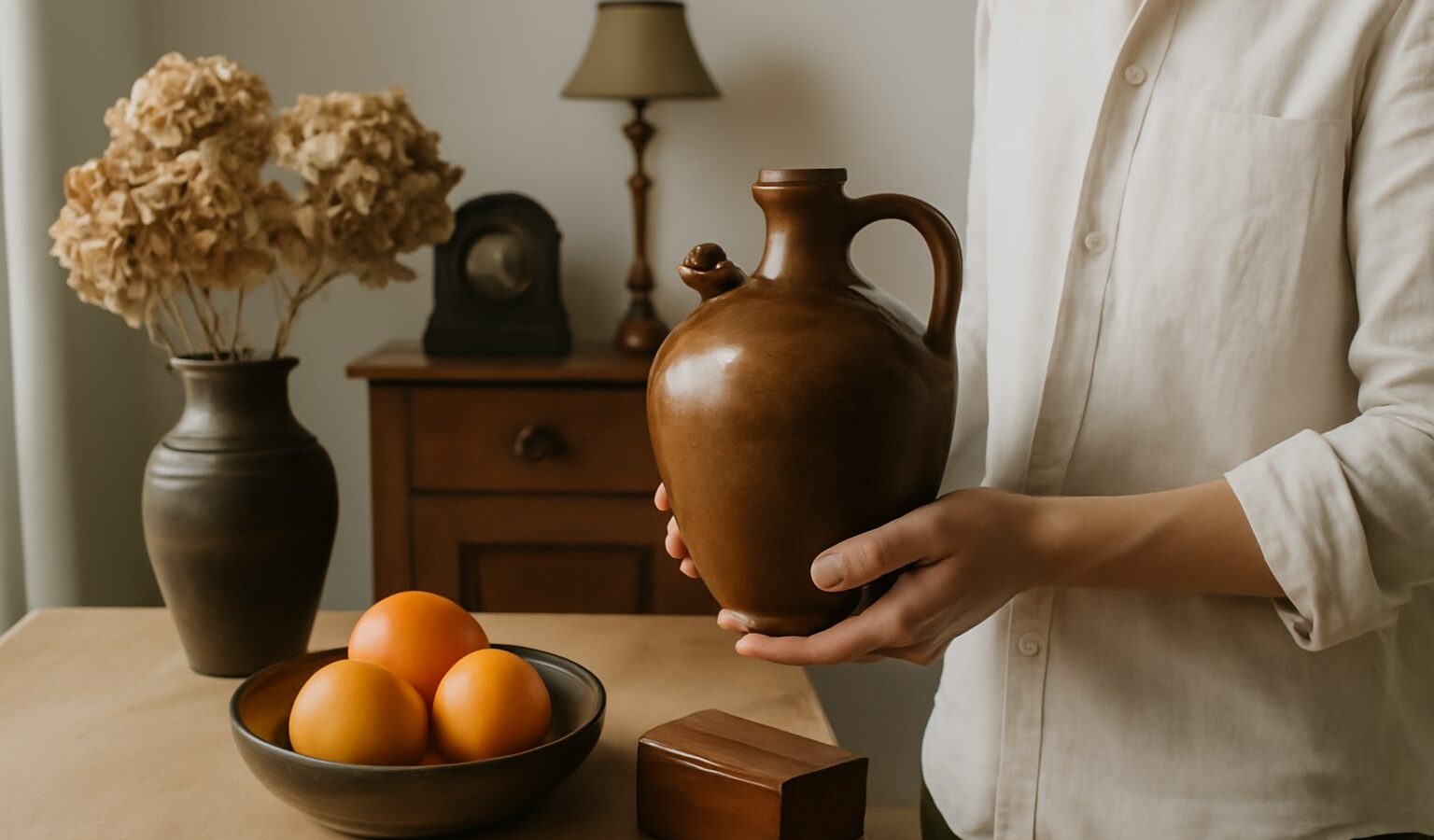
There is a special thrill in discovering an object with a past. A worn teak stool, a hand-painted enamel tin, an old wristwatch, a piece of patterned kebaya lace, each carries a story and a craftsmanship you rarely see in mass-produced goods today. Collecting antiques in Singapore has a devoted following, drawn by the mix of history, hunting, and the joy of living alongside beautiful old things. The best part is that you can start with almost no money at all, simply by learning to look. This guide covers how to begin, how to buy without getting burned, and how to look after the treasures you bring home.
Antiques, Vintage, and Finding Your Niche
First, a gentle note on words. An antique is generally an object of considerable age, often taken to mean around a century old, while vintage usually refers to items from more recent decades that carry a distinct period character. Do not get too tangled in definitions. What matters is that the piece speaks to you and that you understand roughly what you are buying.
As with most collecting, the happiest hobbyists choose a focus rather than trying to gather everything. A niche gives your searching direction and lets you build real knowledge, which in turn helps you spot both bargains and fakes. Common areas people fall for include:
- Furniture and homeware, such as teak pieces, rattan, and old kitchenware
- Ceramics, glassware, and enamelware
- Vintage watches, jewellery, and accessories
- Old books, maps, advertising, and paper ephemera
- Textiles, including batik, lace, and traditional garments
Whatever you choose, the same principle applies. Learn deeply about your chosen area, because knowledge is your best protection and your greatest pleasure. The more you understand about how a type of object was made, the more confidently you can judge quality, condition, and authenticity.
Where to Hunt and How to Start
Half the joy of this hobby is the search itself, and Singapore offers plenty of hunting grounds. You will find antique and vintage pieces at secondhand shops, flea markets, estate and moving sales, thrift stores, and specialist dealers, as well as through online marketplaces and collector communities. Each source has its own character, from the orderly dealer showroom to the wonderfully chaotic flea-market table where the best bargains often hide.
Start slowly and let your eye develop. In the early months, browse far more than you buy. Handle objects, ask sellers about them, and read widely about your chosen niche so you learn what good examples look like. Talking to experienced collectors and dealers is invaluable, as most are generous with knowledge once they see you are genuinely interested rather than just after a quick profit.
A quick word on value. This is general hobby guidance, not financial advice. Antique and vintage prices swing with fashion, condition, and demand, and there is no guarantee that any piece will grow in worth. Buy things because you love them and want to live with them, and treat any future resale value as a happy extra. That approach keeps the hobby joyful and shields you from costly disappointment.
Spotting Fakes and Buying Safely
Wherever there is money and desirability, reproductions, fakes, and misrepresented items follow, so a healthy dose of caution serves you well. The good news is that careful habits protect you far more than any single trick. Slow down, ask questions, and never let a seller’s urgency rush your decision.
Sensible safeguards include:
- Buying from reputable, established dealers and sellers who stand behind what they sell
- Asking about an item’s age, origin, condition, and any repairs, and watching how confidently the seller answers
- Learning the materials, marks, and construction methods genuine pieces should show
- Being wary when a rare item is priced suspiciously low, as that is a classic warning sign
- Getting a significant or costly purchase checked by an independent, qualified expert before committing
Condition matters enormously to both enjoyment and value, so inspect items closely in good light for cracks, repairs, woodworm, rust, and replaced parts. There is nothing wrong with buying an imperfect piece you love, as long as you know what you are getting and pay accordingly. When something feels off, trust that instinct and walk away, because there is always another find.
Caring for Your Finds
Our hot, humid climate is demanding on old materials, so thoughtful care preserves your collection. Keep wooden and paper items away from direct sunlight and damp, since moisture invites mould, warping, and insect damage. A dehumidifier or silica gel in storage areas helps a great deal, and good air circulation keeps timber and textiles healthy. Clean gently and conservatively, because harsh cleaning can strip patina and actually reduce a piece’s charm and value. When in doubt about restoring something delicate, consult a professional rather than experimenting.
If the treasure hunt appeals to you, you might also enjoy collecting postcards and deltiology, or turning finds into fresh pieces through upcycling and thrift flipping. For a broader start, our guide on how to start a collection as a hobby is a friendly companion.
Collecting antiques rewards patience, curiosity, and a good eye. Learn your niche, buy from people you trust, stay alert to fakes, and choose pieces that genuinely delight you. Do that, and every corner of your home can hold a small piece of history you are proud to have found.