
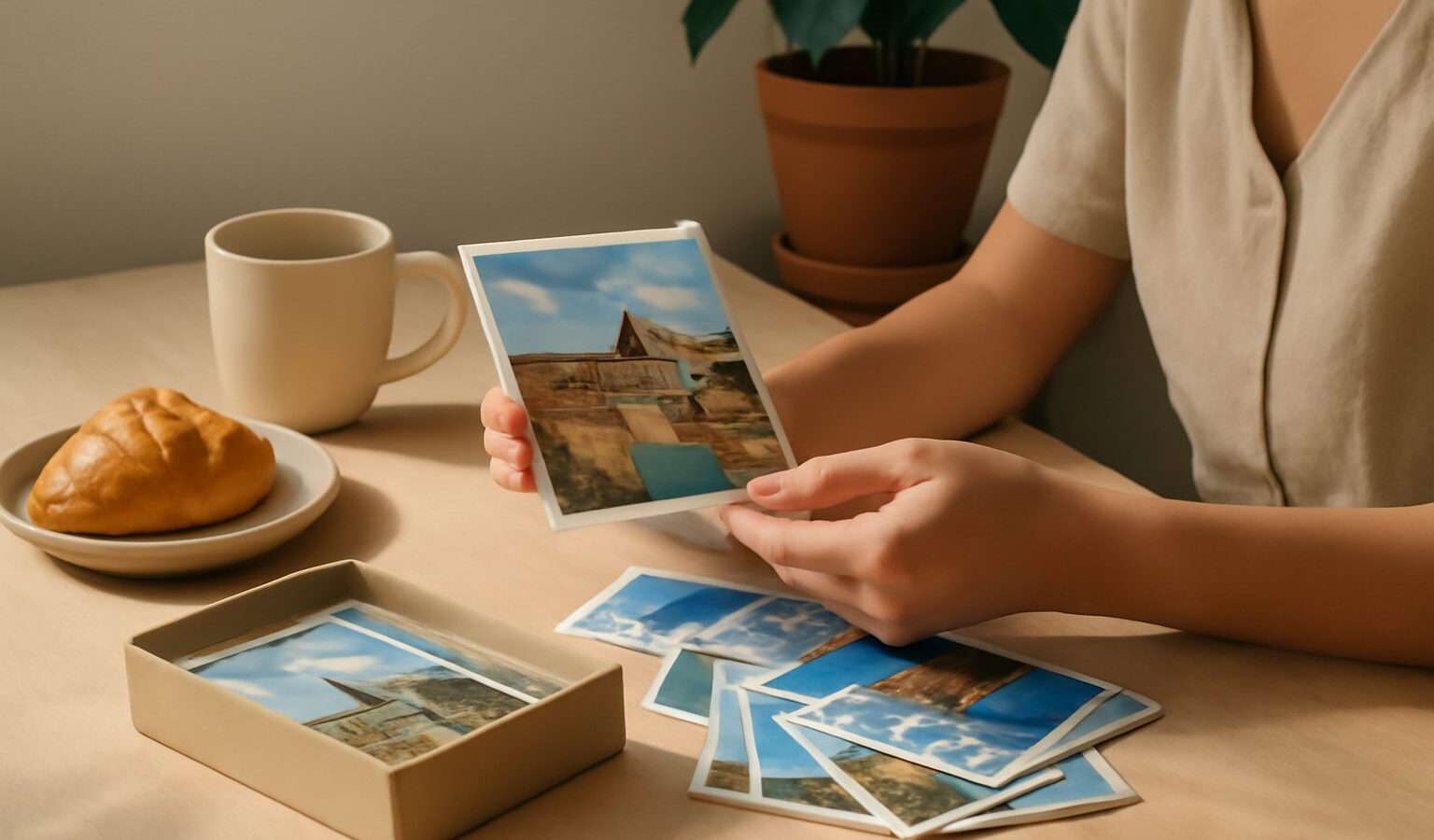
Few hobbies pack so much history, art, and human connection into something you can hold in one hand. Collecting postcards in Singapore is one of the most affordable and quietly absorbing pastimes around, and it has a wonderfully grand name too. The study and collecting of postcards is called deltiology, and its followers are deltiologists. Behind each card lies a snapshot of a place, an era, or a fleeting message between two people, sometimes written more than a century ago. You do not need much money or space to begin, which makes this an ideal hobby for compact HDB living. This guide covers what to collect, where to look, and how to keep your cards in good condition.
What Deltiology Is and Why It Charms People
Deltiology is simply the collecting and study of postcards, and it sits alongside stamp and coin collecting as one of the classic paper hobbies. What sets postcards apart is their variety. A single card can be a work of art, a travel memento, a piece of social history, and a personal letter all at once. Many collectors are captivated by the messages on the reverse, those small handwritten notes about weather, holidays, and family news that offer an intimate window into ordinary lives of the past.
People collect for all sorts of reasons. Some love the printed imagery, whether vintage seaside scenes, old street views, or charming illustrated designs. Others focus on postal history, studying stamps, postmarks, and how the cards travelled. There is no single right way to do it, and that freedom is a big part of the appeal. You can build a collection around almost any theme that speaks to you, and it will always feel personal.
The hobby also connects beautifully to place. Cards depicting old streetscapes, harbours, and landmarks let you trace how a city has changed over decades. For anyone with even a mild interest in history, sorting through a box of old postcards can be genuinely spellbinding.
Choosing a Focus for Your Collection
Trying to collect everything is the fastest route to feeling overwhelmed. Most happy collectors pick a theme, and that focus turns a random pile into a meaningful collection. Your theme can be as broad or as narrow as you like, and you can always adjust it as your interests grow.
Popular ways to focus a collection include:
- A place or region, such as cards showing a particular town, coastline, or country
- A subject, like railways, bridges, animals, festivals, or flowers
- An era or style, for example early illustrated cards or mid-century photographic ones
- A format, such as novelty cards, art reproductions, or hand-tinted photographs
- Postal history, concentrating on stamps, postmarks, and routes rather than the pictures
A theme gives your hunting a direction and makes each new find feel like a small victory. It also helps you learn deeply about one area rather than thinly about everything. Many collectors run two or three gentle themes at once, which keeps the search lively.
Where to Find Postcards
Half the fun of this hobby is the hunt. Postcards turn up in more places than you might expect, and part of the pleasure is never quite knowing what you will stumble upon. Physical browsing has a charm that scrolling cannot match, though online sources hugely widen your reach.
Good places to look include secondhand and antiquarian bookshops, flea markets, collectors’ fairs, and estate or garage sales. Online marketplaces and dedicated collector communities open up cards from all over the world, which is invaluable if you are chasing a specific theme. Joining a collectors’ group, whether a local interest circle or an online forum, is one of the best moves you can make, since members swap cards, share knowledge, and often tip each other off about finds.
If you enjoy the treasure hunting side of collecting, you may also love browsing for antiques and vintage finds, where old postcards frequently surface in bundles and boxes.
Storing and Caring for Your Cards
Paper is fragile, and our warm, humid climate is its enemy, so a little care preserves your collection for decades. Heat, moisture, and sunlight are the main threats. Direct light fades ink and colour, while humidity encourages mould and makes cards stick together, so store them somewhere cool, dry, and shaded.
Use archival quality sleeves and albums designed for postcards, ideally acid free, to shield each card from handling, dust, and moisture. Avoid ordinary sticky tape, glue, and adhesive photo corners, as these can stain and permanently damage a card. Handle cards with clean, dry hands and hold them by the edges. A dehumidifying box or a few silica gel packs in your storage drawer helps enormously in local conditions.
As with any collecting field, be aware that reproductions and reprints exist, and older or rarer cards are sometimes misrepresented. Buy from reputable sellers, ask questions, and learn the tell tale signs of genuine period printing so you know what you are getting. If you are new to building a collection of any kind, our guide on how to start a collection as a hobby pairs nicely with this one, and fellow paper lovers may enjoy collecting stamps and coins too.
Deltiology is a hobby of small budgets and big rewards. Pick a theme you love, enjoy the thrill of the hunt, store your finds with care, and let each card tell you its story. It is a gentle, endlessly interesting pastime that fits perfectly into a busy Singapore life.