
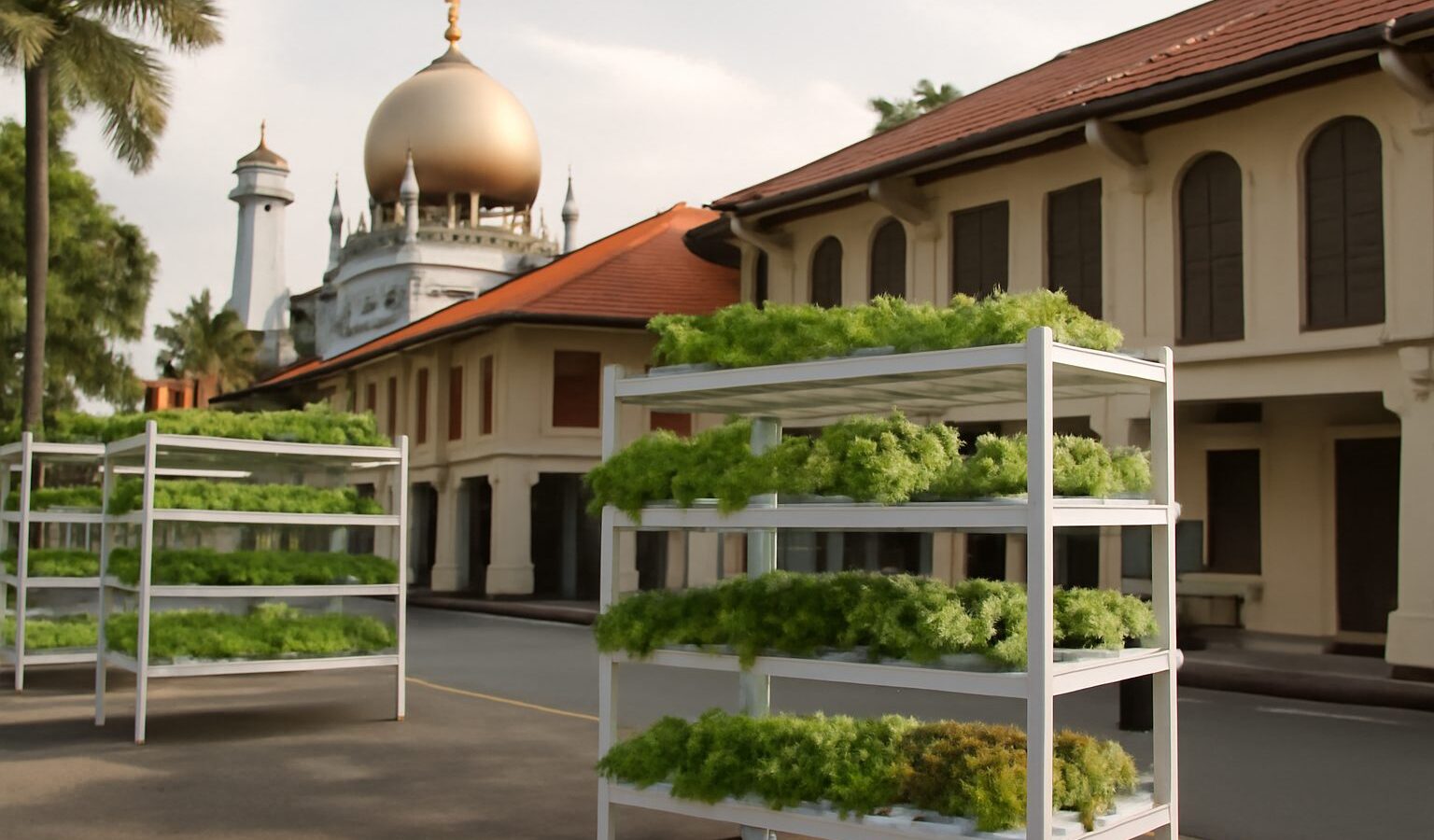
For a city this dense, Singapore grows a surprising amount of green. Look up and you might spot leafy vegetables climbing a car park roof; look around your estate and you may find neighbours tending herbs in raised beds after work. The rise of community farms Singapore has quietly nurtured is one of the nicest ways to spend a weekend morning: hands in the soil, a chat with a grower, and a real sense of where food comes from. Whether you want to plant something yourself, tour a high-tech hydroponic setup, or simply take the kids somewhere calm and green, there is a plot for you.
This guide walks through the main kinds of farms and gardens you will find across the island, who each suits, what to expect on a visit, and practical tips for getting the most from a day among the greens.
What “Community Farming” Means Here
In Singapore the term stretches across a few different things. At one end are neighbourhood community gardens, where residents share a communal plot, grow vegetables and ornamentals together, and swap tips over the fence. At the other end are commercial urban farms, often perched on rooftops or tucked into repurposed buildings, that use soil-free growing methods to produce leafy greens at scale. In between sit allotment gardens, where you rent a small raised bed for your own use, and educational farms that run tours and workshops.
The common thread is proximity. These are not sprawling countryside estates but pockets of productive green woven into the everyday city. That makes them easy to reach, easy to visit on a whim, and genuinely part of neighbourhood life.
Community Gardens and Allotment Plots
Community gardens are the grassroots heart of local growing. Many bloom within housing estates, parks, and along quiet green corridors, tended by volunteers who meet regularly to plant, weed, and harvest. They tend to grow a warm mix of edibles and flowering plants, and the atmosphere is friendly and unhurried. If you are new to gardening, joining one is the gentlest possible introduction, and you rarely need any experience to get started.
Allotment gardens work a little differently. Instead of a shared communal patch, you rent an individual raised bed, usually within a park, and grow whatever you like within it. That suits people who want their own space and a longer-term project. Beds are popular and can be in demand, so it is worth checking availability well ahead and asking about the current waiting arrangements.
If you are considering either, a few things help:
- Start small with hardy herbs and leafy greens that tolerate the heat and humidity.
- Visit at cooler times of day, early morning or late afternoon, when tending is more pleasant.
- Ask regulars what thrives locally; seasoned gardeners here are generous with advice.
- Bring your own gloves and a hat, and expect to get a little muddy.
Rooftop and Urban Farms
Some of the most eye-catching growing happens well above ground. Rooftop farms have turned the tops of car parks and commercial buildings into productive green space, making clever use of land that would otherwise sit empty. Visiting one is a small revelation: rows of vegetables and herbs with the city skyline behind them, and often a shop or cafe area where the day’s harvest is on offer.
These sites frequently welcome visitors for tours, hands-on sessions, or simply a wander, and they are a great way to see how farming adapts to a vertical city. Because they sit on active buildings, access can be limited to certain days or booked sessions, so it is sensible to check current arrangements before turning up. Many are designed with families in mind and make a genuinely different outing from the usual mall or park.
Hydroponic and Indoor Growing
The high-tech end of the scene is where hydroponic farms Singapore has embraced really shine. Hydroponics grows plants in nutrient-rich water rather than soil, while related methods mist the roots directly or stack crops in illuminated vertical racks. The appeal is efficiency: more produce from less space and water, grown close to where it is eaten, with less exposure to the weather.
For visitors, these farms are fascinating precisely because they look so unlike a traditional field. You will see tidy channels of water, gently glowing grow lights, and leafy greens raised in clean, controlled conditions. Many run tours and workshops explaining how it all works, which older children and curious adults tend to love. If sustainability and food resilience interest you, this is the corner of the scene to explore.
Choosing the Right Farm for Your Visit
Different farms suit different moods and groups. This quick comparison should help you match the outing to the day you have in mind.
| Farm type | Best for | What to expect | Good to know |
|---|---|---|---|
| Community garden | Meeting neighbours, easy volunteering | Shared plots, friendly regulars, mixed edibles and flowers | Little to no experience needed |
| Allotment garden | Your own long-term growing project | An individual raised bed you tend yourself | Beds can be in demand; check availability |
| Rooftop or urban farm | A different family outing, buying fresh greens | Vegetable rows with city views, tours, farm shop | Access may be limited to set days |
| Hydroponic or indoor farm | Learning how future food is grown | Water channels, grow lights, guided tours | Great for older kids and the curious |
Because opening days, tour formats, and what is available to buy or join can change from season to season, always check the latest details directly before you plan your route.
Making a Day of It
Farm visits pair beautifully with other slow, green outings. Many sit near parks, park connectors, or nature spots, so you can fold a farm tour into a longer morning of walking or cycling. Go early to beat the midday heat, carry plenty of water, and wear covered shoes you do not mind getting a little dirty. If you are buying fresh greens, bring a small cooler bag so your leaves stay crisp on the way home.
For families, a rooftop or hydroponic tour makes an easy, low-cost outing that quietly teaches children where food comes from. For anyone craving a hobby, a community garden or allotment offers a rewarding reason to step outside and get your hands in the soil each week. Either way, you come away with a fresh appreciation for how much life a small city can grow.
Explore More
If greenery is your thing, keep the theme going with our roundup of the best parks in Singapore and our guide to scenic Singapore hiking trails. For a bigger dose of countryside and working farms, pair this with our look at Kranji countryside and farms in Singapore and turn a farm visit into a full day out.