
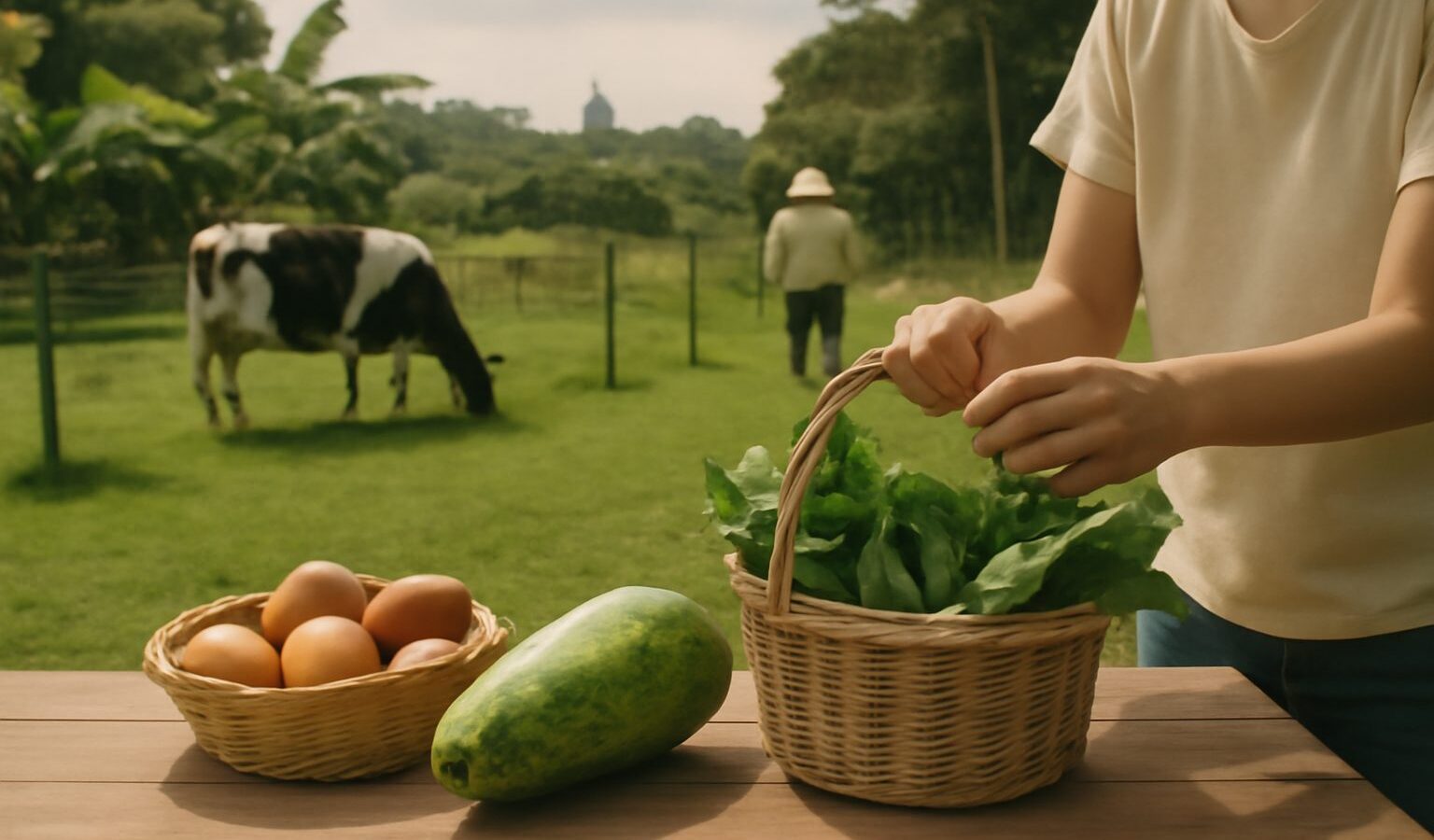
Tucked into the northwest corner of the island, a short drive from the high rise heartlands, lies a Singapore most residents never see. The Kranji farms Singapore area is the closest thing the country has to open countryside, a patchwork of vegetable plots, animal farms, plant nurseries, and quiet back roads that feel a world away from the shopping malls and MRT crowds. Spend a morning out here and you trade traffic noise for birdsong, glass towers for greenhouses, and the pace changes almost the moment you arrive. This guide explains what the Kranji countryside is, who it suits, what you will find, and how to make a relaxed day of it.
What the Kranji Countryside Actually Is
The Kranji and neighbouring Lim Chu Kang area sits along the northwestern edge of Singapore, close to the Strait of Johor and the causeway that links to Malaysia. Historically this was the island’s agricultural belt, and although Singapore is heavily urban, a genuine cluster of working farms still operates here today.
Rather than a single attraction, the countryside is a loose collection of independent farms spread across country lanes. Some grow leafy vegetables using soil beds or modern indoor methods, others raise animals, and several specialise in ornamental plants, herbs, or fish. Because these are real working businesses rather than a theme park, the area has a low key, unpolished character. There is no grand entrance and no single ticket. You move from one farm to the next along quiet roads flanked by greenery, which is exactly the appeal for people who want to slow down.
The surrounding landscape adds to the charm. Nearby you will find wetland nature reserves, reservoir edges, and pockets of forest, so a farm visit slots naturally alongside some gentle nature spotting.
What You Will Find on the Farms
The variety is part of the fun. Broadly, the countryside offers a mix of the following, though the exact line up of businesses changes over time, so it is worth checking what is currently open before you go.
- Vegetable and leafy green farms. Some use traditional soil beds, while others grow indoors or vertically. Many welcome visitors to see how food is grown so close to the city.
- Animal farms. Goat farms are a longtime favourite with families, and you may also come across farms keeping other livestock or poultry.
- Fish and koi farms. Ornamental fish, particularly colourful koi, have long been raised in this area.
- Plant nurseries and orchid gardens. Rows of tropical plants, herbs, and flowers, some open for browsing and buying.
- Frog and specialty farms. The area has hosted more unusual operations over the years, adding to its curiosity value.
Alongside the produce, several spots offer simple refreshments or a small cafe, and a handful run hands on activities or short tours. Because operators, opening days, and offerings vary and can change, always confirm current details directly rather than assuming a particular farm is open on the day you plan to visit.
Who a Kranji Day Trip Suits
The countryside rewards a certain frame of mind more than a certain type of person, but it particularly suits:
- Families with young children, who love meeting goats, feeding fish, and seeing where vegetables come from. It is educational without feeling like a lesson.
- Nature lovers and slow travellers, who enjoy fresh air, greenery, and an unhurried pace over polished attractions.
- Photographers, drawn to rustic sheds, rows of crops, and golden light across open ground.
- Anyone craving a break from the city, who wants to feel like they have left town without leaving the island.
It is worth being honest about expectations. This is not a manicured attraction. Roads can be dusty or muddy, facilities are basic, and some farms are more visitor friendly than others. People who need air conditioning, smooth pavements, and a full food court may find it rough around the edges. Those who embrace the rustic side tend to fall for it.
What to Expect When You Visit
A visit here feels different from almost anywhere else in Singapore. Expect open skies, the smell of soil and greenery, and the occasional whiff of a working farm. The sun can be strong with little shade between stops, and the ground is uneven in places, so dress and plan accordingly.
Because the farms are spread out along country roads, getting between them on foot is impractical in the heat. Many visitors drive or arrange their own transport so they can hop from farm to farm at their own pace. Public transport reaches the general area, but the last stretch to individual farms often involves a walk, so factor that in. On certain days a community shuttle has run in the area to help visitors get around, though such services come and go, so check what is currently available.
Give yourself half a day at least. Rushing defeats the purpose. A gentle rhythm of two or three farms, a rest, a cold drink, and time simply to wander suits the setting best.
Planning Your Countryside Route
To help you shape a visit, here is a rough comparison of the kinds of stops you might string together. Treat it as a planning guide rather than a fixed itinerary, since specific farms open and close over time.
| Type of stop | Great for | Kid friendly | Rough time to spend |
|---|---|---|---|
| Goat or animal farm | Families, up close encounters | Very | 45 to 60 minutes |
| Vegetable or indoor farm | Curious foodies, learning | Yes | 30 to 45 minutes |
| Koi or fish farm | Calm browsing, photos | Yes | 30 minutes |
| Plant nursery or orchid garden | Gardeners, greenery lovers | Somewhat | 30 to 45 minutes |
| Cafe or refreshment stop | Resting and cooling off | Yes | 30 to 45 minutes |
Build in a buffer for travel between stops and for the heat, and you have a comfortable half day out.
Practical Tips for a Smooth Visit
- Go early. Mornings are cooler, animals are livelier, and you beat the midday sun. Many farms also keep daytime hours, so an early start gives you more time.
- Dress for the outdoors. Covered shoes you do not mind getting dirty, light breathable clothing, a hat, and sunscreen. Bring insect repellent too.
- Carry water and cash. Shade and shops are limited between farms, and smaller operators may prefer cash.
- Check opening days first. Some farms only welcome visitors on certain days or require advance arrangement, and the line up changes, so confirm before you set off.
- Respect that these are workplaces. Follow signs, keep to visitor areas, do not feed animals without permission, and supervise children around livestock and water.
- Combine it with nearby nature. The northwest has wetlands and reservoir trails, so a farm morning pairs well with a gentle walk.
The Kranji countryside is proof that Singapore still hides pockets of green, working land where you can breathe out and reconnect with something simpler. It asks a little patience with its rough edges, but rewards you with a genuine, unpolished slice of island life that most people drive past without ever knowing it is there.
Explore more
For more ways to swap the city for the outdoors, browse our roundup of day trips within Singapore and lace up for one of the routes in our guide to Singapore hiking trails. If the rustic island mood appeals, the sleepy kampong feel of Pulau Ubin makes a natural next trip, and to see modern food growing in action, read about community and hydroponic farms in Singapore.