
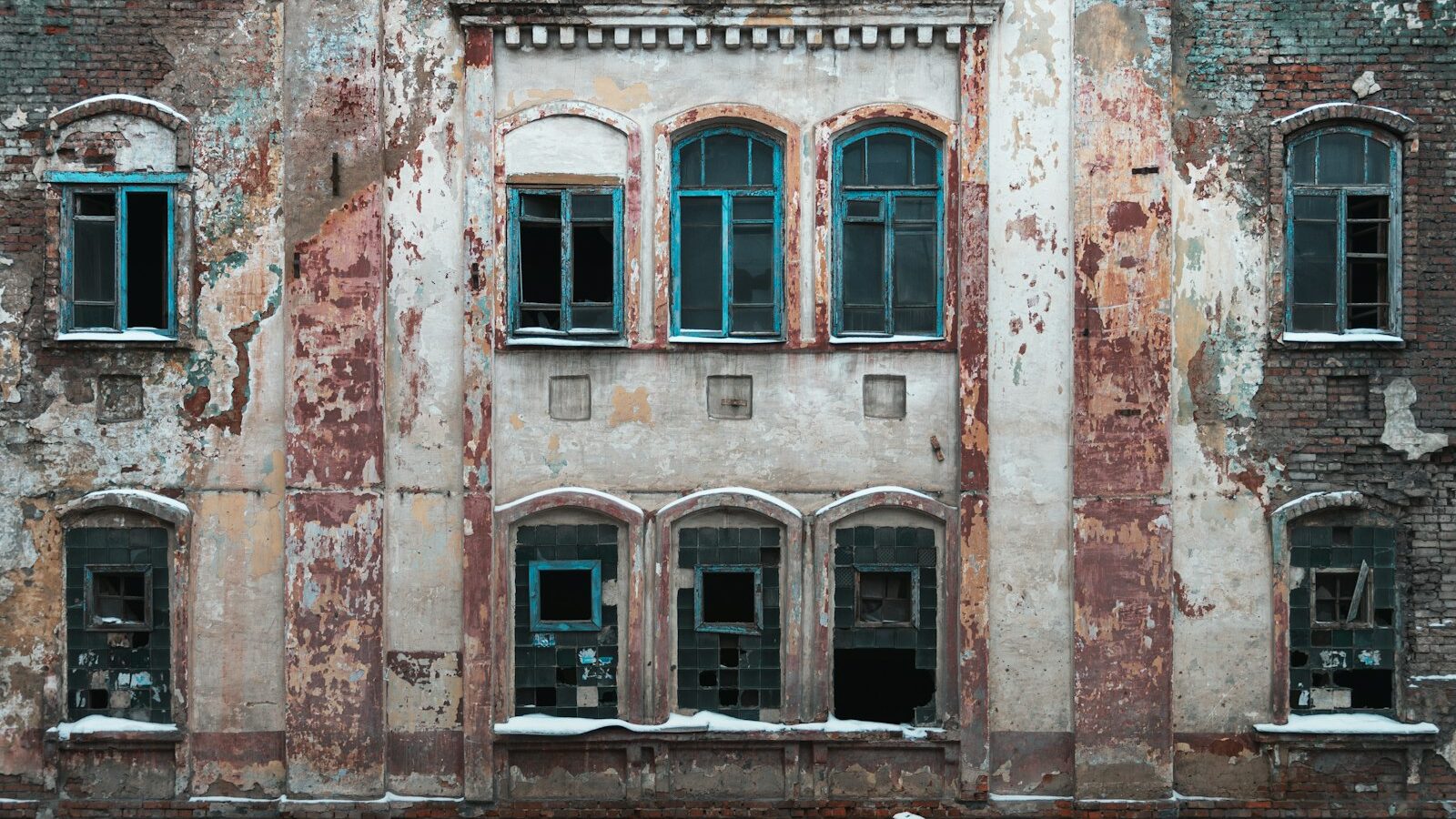
Amid rapid development, Singapore has worked to conserve buildings of heritage value. This guide explores why conservation matters, the kinds of buildings preserved, balancing progress and heritage, and appreciating this. This is a general overview.
Why conservation matters
In a fast-developing city like Singapore, where modernisation and redevelopment are constant, the conservation of buildings of historical, architectural or cultural value is important to preserve tangible heritage amid change. Heritage buildings, such as historic shophouses, landmarks and other significant structures, connect people to the nation’s history, character and identity, and their loss to development would erase irreplaceable pieces of the past. Conservation preserves these buildings for present and future generations, retaining the character, history and heritage they embody. Balancing the pressures of development with the value of preservation is a real and important consideration in a rapidly changing city. Understanding why conservation matters, to preserve tangible heritage amid rapid development and retain the character, history and identity that heritage buildings embody, helps you appreciate its importance, so you can value the conservation of heritage buildings as a vital effort to safeguard irreplaceable pieces of the past, ensuring that the nation’s history, character and identity are not lost to modernisation but preserved for generations to come.
Kinds of buildings preserved
| Type | Broadly |
|---|---|
| Shophouses | Historic terraced buildings |
| Landmarks | Buildings of significance |
| Religious/cultural sites | Sites of heritage value |
| Historic districts | Areas of preserved character |
Conservation efforts in Singapore preserve various kinds of buildings and areas of heritage value. Historic shophouses, the distinctive terraced buildings that characterise old Singapore, are among the most recognisable conserved structures, valued for their architecture and heritage. Landmark buildings of historical, architectural or cultural significance are preserved as important pieces of the nation’s built heritage. Religious and cultural sites of heritage value are conserved as significant landmarks. And historic districts and areas of preserved character retain the atmosphere and heritage of the past. Together, these conserved buildings and areas safeguard a diverse range of the nation’s built heritage. Understanding the kinds of buildings preserved, shophouses, landmarks, religious and cultural sites, and historic districts, helps you appreciate the range of heritage conservation, so you can recognise the diverse built heritage that conservation safeguards, from distinctive shophouses to significant landmarks and historic districts, together preserving a rich and varied record of the nation’s architecture, history and character amid ongoing development.
Balancing progress and heritage
A central challenge in a rapidly developing city is balancing progress and development with the conservation of heritage, as both have value and can be in tension. Development brings modernisation, growth and the renewal a dynamic city needs, while conservation preserves the tangible heritage, character and history that give a place identity and continuity. Striking a balance, deciding what to conserve amid development, and integrating heritage with modern needs, is a real and ongoing consideration. Successful conservation retains meaningful heritage while allowing the city to develop, recognising that heritage and progress need not be entirely opposed but can coexist thoughtfully. This balance is important to preserving the nation’s character amid change. Understanding the balance between progress and heritage, that both have value and must be weighed thoughtfully in a developing city, helps you appreciate the challenge and importance of conservation, so you can recognise the value of striking a balance that preserves meaningful heritage while allowing development, retaining the character, history and identity of the nation even as it continues to modernise and grow, a thoughtful coexistence of progress and preservation.
Heritage and character
Conserving heritage buildings does more than preserve individual structures, it helps retain the character, atmosphere and identity of places and of the nation as a whole. Historic shophouses, districts and landmarks give areas a distinctive character, sense of history and charm that new development cannot replicate, and preserving them retains this character amid modernisation. Heritage buildings connect people to the past and give the city a richer, more layered identity, blending the historic and the modern. This character and identity are part of what makes places meaningful and distinctive. Conservation thus contributes to a city with soul, history and character, not just modernity. Understanding how conservation preserves heritage and character, retaining the distinctive atmosphere, history and identity that heritage buildings give to places and the nation, helps you appreciate its deeper value, so you can recognise that conserving heritage buildings preserves not just structures but the character, charm and layered identity that make places meaningful, contributing to a city that retains its history and soul amid modernisation rather than becoming uniformly new.
Appreciating conserved heritage
For those interested in the nation’s history and character, conserved heritage buildings offer rich, tangible heritage to appreciate and enjoy. Exploring historic shophouses, districts and landmarks, admiring their architecture, and learning about their history and heritage deepens appreciation of the nation’s story and character. Many conserved buildings and districts are enjoyable to visit, blending heritage with contemporary uses and atmosphere. Appreciating this conserved heritage, and valuing the importance of conservation, connects you to the nation’s past and character and supports the case for preserving heritage amid development. It is a rewarding way to engage with the nation’s built heritage. Understanding how to appreciate conserved heritage, by exploring and learning about heritage buildings and districts and valuing conservation, helps you engage meaningfully with the nation’s built heritage, so you can enjoy and appreciate conserved shophouses, landmarks and districts as tangible connections to the nation’s history and character, deepening your appreciation of Singapore’s heritage and supporting the value of preserving it amid ongoing development.
The takeaway
Amid rapid development, the conservation of heritage buildings is important to preserve tangible heritage and retain the character, history and identity that these structures embody. Conservation safeguards a diverse range of built heritage, historic shophouses, landmarks, religious and cultural sites, and historic districts, preserving irreplaceable pieces of the past. A central challenge is balancing progress and heritage thoughtfully, recognising that both have value and can coexist, retaining meaningful heritage while allowing the city to develop. Beyond individual structures, conservation preserves the character, atmosphere and layered identity that give places soul. Appreciating conserved heritage, by exploring and valuing it, connects people to the nation’s history and character. Conserving heritage buildings is a vital effort to safeguard the nation’s built heritage for the future. This is a general overview.
Explore more: National monuments of Singapore · Singapore shophouses architecture · Heritage and walking trails