
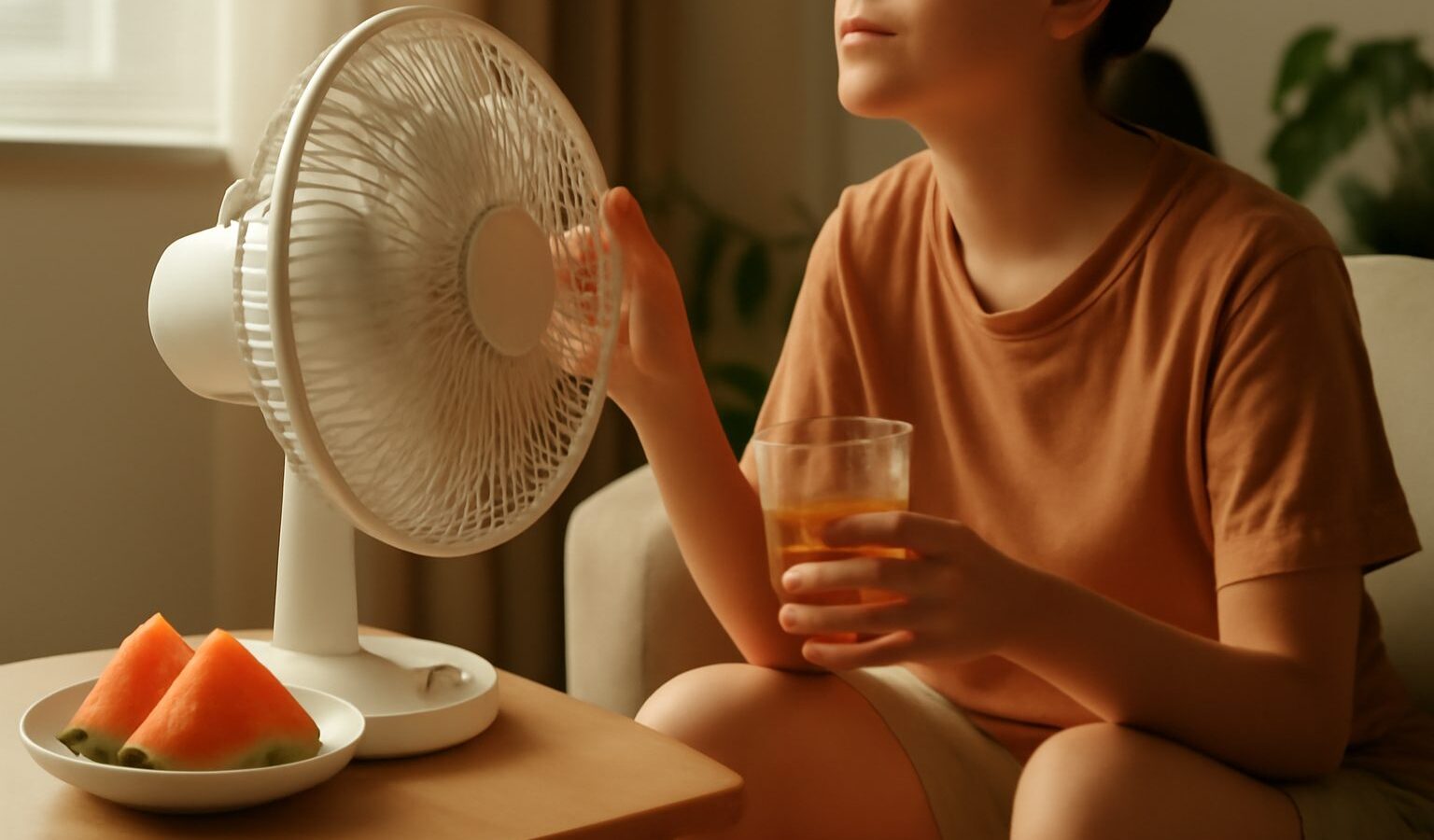
Anyone who has stepped outside at midday here knows the feeling: within minutes, the warmth and the sticky humidity make themselves felt. The singapore heat is a defining part of daily life, present all year round rather than for a few months, and it shapes everything from how we dress to when we exercise. In recent years, warmer conditions have made staying comfortable and safe in the heat an even more practical concern. This guide sets out simple, sensible ways to cope, from staying hydrated to recognising when the heat is affecting someone, and points to where the official advisories come from. It is general information, not medical advice.

Understanding Singapore’s Year-Round Heat and Humidity
Singapore sits near the equator, which gives it a hot and humid tropical climate with little variation across the year. Daytime temperatures are consistently high, and the humidity is what makes the heat feel heavier than the thermometer alone suggests. When the air is very humid, sweat evaporates less easily, so the body cools itself less efficiently and the same temperature feels hotter and more tiring. This is why a humid day here can be more draining than a drier day at the same reading elsewhere.
The climate is also warming over time, in line with wider trends, and Singapore has recorded some notably hot spells in recent years. Practically, that means the strategies below are worth building into everyday routines rather than treating as occasional advice. The Meteorological Service Singapore, part of NEA, is the authority for forecasts and temperature trends, and it is the place to check what the weather is actually doing on any given day.
Staying Cool and Hydrated
Hydration is the foundation of coping with the heat. Because you lose fluids steadily through sweat, often without noticing, the goal is to drink regularly through the day rather than waiting until you feel thirsty, since thirst tends to lag behind actual need. Water is the everyday choice for most people. Some general habits that help:
- Sip regularly. Keep a water bottle handy and top up through the day, especially before, during, and after any activity or time outdoors.
- Watch caffeine and alcohol. Both can contribute to fluid loss, so balance them with water.
- Seek shade and airflow. Move into shade, use fans, and make use of air-conditioned or naturally ventilated spaces during the hottest part of the day.
- Cool down actively. A cool shower, a damp cloth on the neck, or simply stepping indoors for a while all help the body reset.
- Time errands sensibly. Where you can, run around outdoors in the earlier morning or later afternoon rather than the midday peak.
For most healthy people, plain water is enough. If you are unwell, on fluid restrictions, or have a medical condition, follow the advice of your doctor or HealthHub, as individual needs vary.
Recognising Heat Exhaustion and Heat Injury
Spending too long in the heat, particularly while active, can lead to heat-related illness. In general terms, heat exhaustion may show up as heavy sweating, tiredness, dizziness, headache, nausea, muscle cramps, and feeling faint. It is the body signalling that it is struggling to cope. Heat stroke, or heat injury, is more serious and can involve confusion, a very high body temperature, and collapse. This is a medical emergency.
The general, common-sense response to someone showing signs of heat exhaustion is to help them stop, move to a cooler or shaded spot, rest, loosen tight clothing, and take small sips of water. If someone is seriously unwell, confused, or not improving, seek medical help without delay and call for an ambulance in an emergency. These are general pointers, not a diagnosis or a treatment plan. HealthHub and the Ministry of Health provide health guidance, and a healthcare professional should advise on any actual case. The key habit is simply to take early signs seriously rather than pushing through them.
Dressing for the Climate
What you wear makes a real difference to comfort in the tropics. The general principles are to stay light, loose, and breathable:
- Choose light colours and light fabrics. Pale, loose clothing reflects heat and lets air move, while breathable materials help sweat evaporate.
- Cover up smartly outdoors. A wide-brimmed hat, sunglasses, and sunscreen protect against the strong sun, which matters even on hazy or cloudy days.
- Pick natural, airy weaves where you can, since they tend to feel cooler than heavy, tight synthetics.
- Keep a spare in mind. For anyone doing active or outdoor work, a change of shirt and a towel can make a long day more bearable.
The aim is comfort and protection at the same time, letting the body breathe while shielding skin from the sun.
Planning Outdoor Activity Around the Heat
Exercise and outdoor plans are entirely doable here, they just reward a little timing. Scheduling runs, sports, or heavy outdoor work for the cooler parts of the day, building in rest and water breaks, and easing off when you feel overheated are all sensible. New arrivals in particular should give themselves time to acclimatise, since the body adjusts to heat gradually over days and weeks.
NEA and the Meteorological Service issue heat-related information and advisories, and Singapore uses a heat stress advisory based on measures of how hot it actually feels, to guide when outdoor activity should be adjusted or paused. Schools, sports organisers, and workplaces often follow such guidance. The table below matches everyday situations to a practical tip.
| Situation | Practical tip |
|---|---|
| Planning a run or sport | Pick early morning or evening, and hydrate before you start |
| A hot, high-humidity day | Check the forecast and heat advisory, ease the intensity, take more breaks |
| Long time outdoors | Seek shade regularly, reapply sunscreen, keep sipping water |
| Feeling dizzy or unwell | Stop, cool down, rest, and get help if it does not pass |
| Working outdoors all day | Rotate rest breaks, use shade, watch out for teammates |
Checking the current forecast and any advisory before committing to strenuous plans is a small step that keeps activity safe and enjoyable. NEA is the source for the live advisory status.
Looking Out for the More Vulnerable
Some people feel the heat more than others. Young children, older adults, people with certain medical conditions, and those who work outdoors are more at risk of heat-related illness and deserve extra attention. Babies and small children cannot always tell you they are overheating, and elderly relatives may not feel thirst as readily, so it helps to prompt them to drink and to keep their surroundings cool. Never leave a child or a pet in a parked vehicle, which can heat up dangerously fast.
Outdoor workers, from construction crews to delivery riders, spend long hours exposed to the sun, and it is worth being considerate: giving way, offering shade or water where appropriate, and supporting workplace practices that build in rest and hydration. Looking out for one another in the heat is a quiet everyday kindness, and it is often the neighbours, colleagues, and family members nearby who notice a problem first. Coping with the heat, in the end, is partly personal routine and partly community care.
Explore more
Coping with the Singapore heat comes down to steady habits: staying hydrated, dressing light, timing outdoor activity, watching for signs of heat exhaustion, and looking out for children, the elderly, and outdoor workers, while deferring to NEA and HealthHub for the live advisories and health guidance. For the climate behind it all, read our guide to Singapore’s weather and climate, and see how the country is adapting in coastal protection and climate adaptation.
Frequently Asked Questions
How can I keep my home cooler without running the air-con all day? Block the sun by closing curtains or blinds on sun-facing windows during the day, and use fans to move air. Open windows to create a cross-breeze when it is cooler, switch off heat-producing appliances you do not need, and move to the coolest room during the hottest hours.
How do I know if my child is overheating? Watch for flushed or very hot skin, unusual tiredness or fussiness, headache, heavy sweating, fewer wet nappies or toilet trips, and refusal to drink. Move the child somewhere cool, offer small sips of water and loosen clothing. If they seem confused, drowsy or do not improve, get medical help.
What are employers expected to do to protect outdoor workers from heat? Employers are expected to manage heat risks for workers, which in practice means rest breaks, access to shade and drinking water, and adjusting heavy work during the hottest hours. Requirements and guidance are set by MOM, so check its current guidelines and raise concerns with your employer if they are not followed.
Any tips for sleeping better on hot, humid nights? Keep the bedroom cool and well ventilated, use a fan or aircon on a moderate setting, and choose light, breathable bedding and sleepwear. A cool shower before bed helps, and so does drinking water earlier in the evening. Avoid heavy meals and caffeine late at night.
Official sources: National Environment Agency (NEA)