
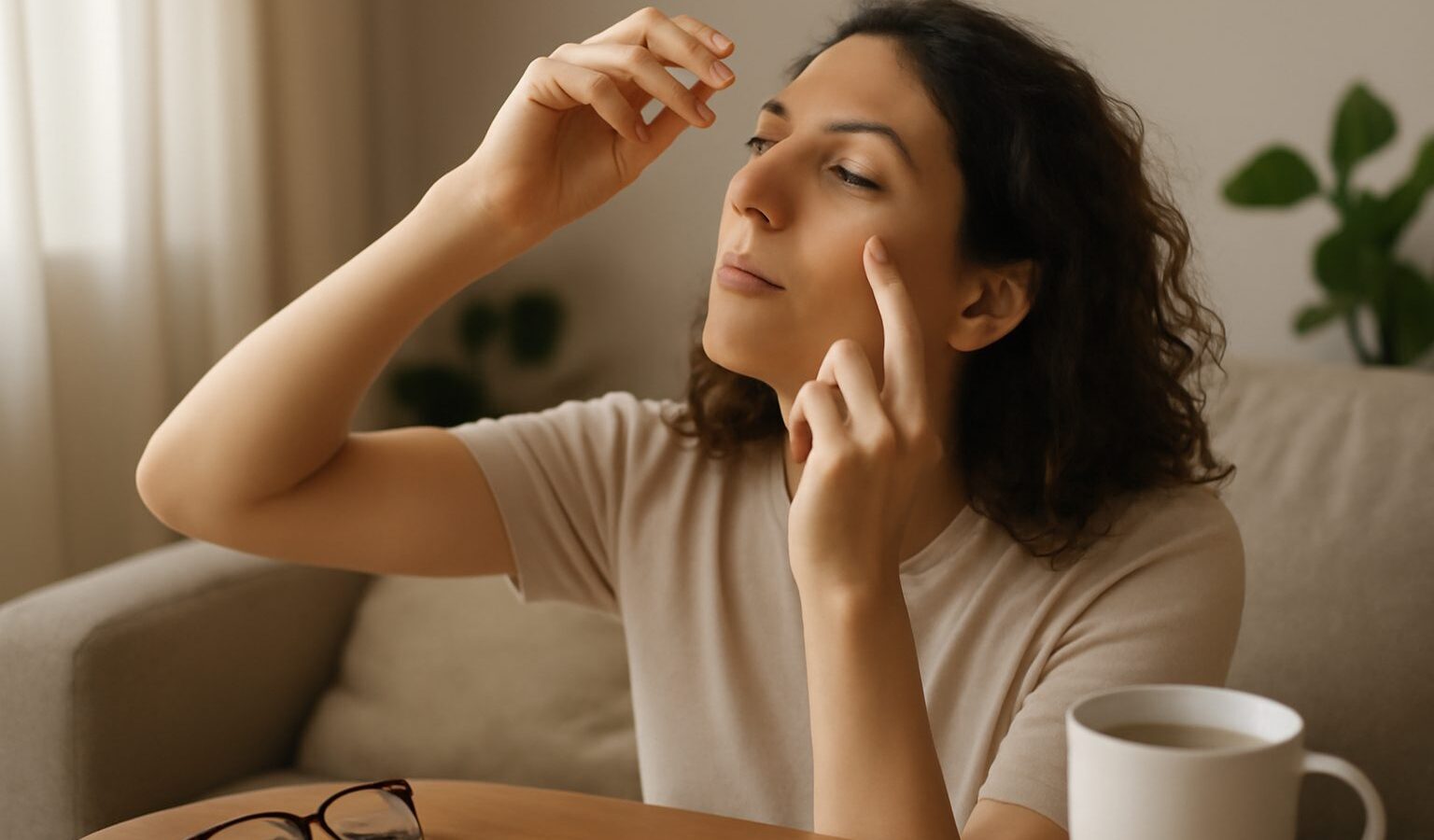
Gritty, tired, stinging eyes by the middle of the afternoon are something many of us know well, especially after hours at a screen in a cold, air-conditioned office. This guide to dry eyes in Singapore is general information about what dry eyes are and simple ways to keep them comfortable. It is not medical advice and not a way to diagnose yourself. Persistent eye problems and changes in vision need a professional, so a doctor or optometrist is the right person to check your eyes properly.
What dry eyes are
Dry eye happens when your eyes do not have enough good-quality tears to stay comfortably lubricated. Tears are not just water; they are a careful mix of water, oil, and mucus that keeps the surface of the eye smooth, clear, and protected. When you do not make enough tears, or the tears evaporate too quickly, the surface can feel dry and irritated.
The symptoms can be surprising. As well as dryness, people report stinging or burning, a gritty or sandy feeling as if something is in the eye, redness, tiredness, sensitivity to light, blurring that clears when you blink, and, oddly, watery eyes. That last one confuses many people, but watering can be the eye’s reflex response to irritation.
Plenty of everyday things contribute, and Singapore living packs in several of them. Long hours looking at screens make us blink less often, which lets tears evaporate. Air conditioning, which is almost everywhere here, dries the air and the eye surface, and moving between the outdoor heat and cold indoor spaces does not help. Contact lenses, wind from fans, some medications, getting older, and certain health conditions can all play a part too. If your work is screen-heavy, our guide to protecting your eyes from screen strain is a useful companion to this one.
Simple self-care for comfortable eyes
For mild, occasional dryness, small changes to your habits and surroundings often bring real relief. This is general comfort guidance, and it does not involve any specific medicine or dose.
- Blink more, on purpose. When we concentrate, we blink less. Every so often, close your eyes fully for a moment and blink a few times to spread your tears.
- Take screen breaks. A common suggestion is to look at something far away for a short pause every twenty minutes or so. Building in movement through your workday gives your eyes those breaks naturally.
- Manage the aircon and fans. Try not to sit directly in the path of an air-conditioning vent or a fan blowing at your face, and consider a small source of humidity if the air is very dry.
- Adjust your screen setup. Position your screen slightly below eye level so your eyelids cover more of the eye, reduce glare, and keep the brightness comfortable rather than harsh.
- Stay hydrated and rested. General good habits, including drinking enough water in our heat and getting enough sleep, support your whole body, eyes included.
- Be gentle with contact lenses. Follow the wearing and cleaning advice you were given, and give your eyes lens-free time if they feel dry.
You may see lubricating eye drops, often called artificial tears, on pharmacy shelves. Because there are different types and not all suit everyone, it is best to ask a pharmacist, optometrist, or doctor which is appropriate for you rather than choosing at random, and this article does not recommend any specific product or dose. Avoid drops marketed simply to whiten or brighten the eyes, and never ignore ongoing symptoms just because a drop offers short-term relief.
When to see a doctor or optometrist
Dry eyes are usually a nuisance rather than a danger, but they can sometimes point to something that needs proper care, and only a professional can examine your eyes and tell you. See an optometrist or doctor if your dry eyes are persistent, keep coming back, or do not settle with simple self-care, or if they are interfering with your work, reading, or driving. It is also worth getting checked if you wear contact lenses and your eyes are frequently uncomfortable, or if you have an underlying health condition that might be involved.
Seek prompt medical attention, rather than waiting, if you notice any of these:
- A sudden change in your vision, or vision that is getting worse.
- Eye pain, rather than mild discomfort.
- Marked redness, discharge, or a feeling that something is genuinely stuck in the eye.
- Sensitivity to light that is severe, or symptoms after an eye injury.
These are reasons to be seen quickly rather than causes for alarm. For anything sudden and severe, such as sudden vision loss or a serious eye injury, treat it as an emergency and go to A&E or call 995. Regular eye checks are a sensible habit anyway, and you can fold them into your wider routine of getting a health screening in Singapore.
The practical takeaway
Dry eyes are common, especially in our screen-filled, air-conditioned days, and small habits make a real difference: blink more, take breaks, keep the aircon out of your face, and look after your general hydration and sleep. Treat drops as something to ask a professional about, not to guess at. And if your eyes stay dry, keep flaring up, or your vision changes at all, see a doctor or optometrist. A proper eye check is a simple, sensible step, and it keeps your eyes comfortable and healthy for the long run.