
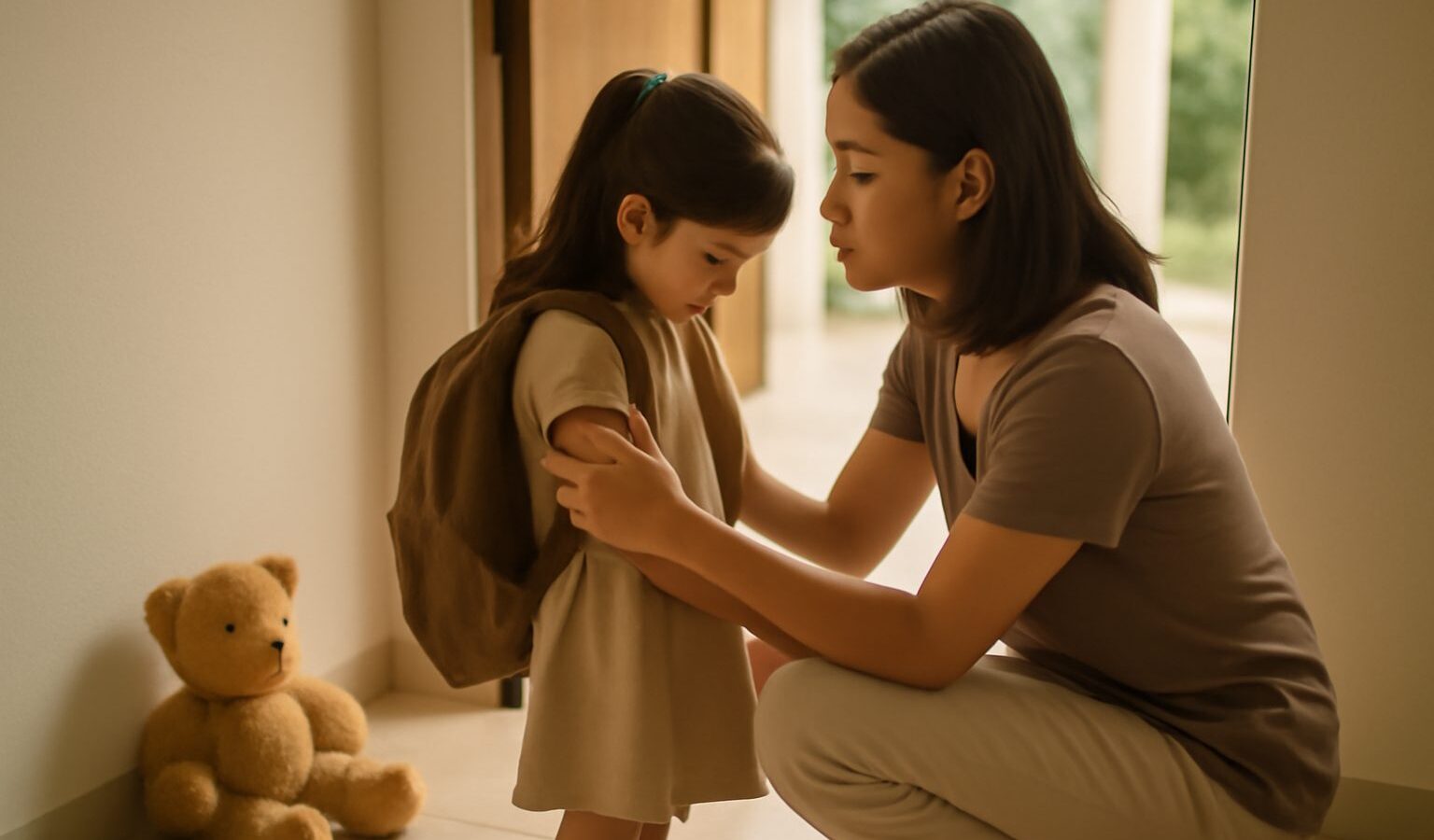
That heart tugging moment when your little one clings and cries as you try to leave is one every parent knows. If you are navigating separation anxiety with your child in Singapore, please take heart: this is a normal, healthy part of growing up, and there is plenty you can do to help your child feel safe and secure. This article is a warm, supportive overview rather than professional advice, so do speak with your doctor if you have any concerns.
Separation anxiety is, in a way, a sign of love. Your child has formed a strong bond with you, and their worry when you leave shows just how much that connection means.
Why Separation Anxiety Happens
As babies grow, they begin to understand that you still exist even when you are out of sight. This new awareness, together with a developing sense of attachment, can make being apart from you feel frightening. It often appears in the second half of the first year, may peak in toddlerhood, and can flare up again at times of change, such as starting childcare or welcoming a new sibling.
It helps to remember that separation anxiety is a developmental stage, not a problem you have caused. It reflects healthy attachment and a growing mind. Most children move through it gradually as they learn, again and again, that when you go you always come back.
Common Signs to Look Out For
Separation anxiety can look different at different ages, but you might notice:
- Crying, clinging or tantrums when you prepare to leave
- Wanting to be held or stay very close to you
- Reluctance to go to sleep or waking more at night
- Being wary of unfamiliar people or places
- Checking that you are still nearby during play
These behaviours can be intense, but they usually ease with time, patience and gentle reassurance. Your steady, loving response teaches your child that the world is a safe place and that you can be relied upon.
Gentle Ways to Ease the Worry
There is no need for a big strategy. Small, consistent habits make the biggest difference.
Practise short goodbyes. Start with brief separations, perhaps popping into another room, and build up gradually. Each safe return teaches your child that you always come back.
Keep goodbyes warm but brief. A lingering, tearful farewell can heighten anxiety. A calm cuddle, a cheerful goodbye and a confident exit reassure your child that all is well.
Create a simple ritual. A special wave, a phrase like “see you after lunch”, or a little handover routine gives your child something predictable to hold on to.
Never sneak away. Slipping off while your child is distracted may seem kinder, but it can make them more anxious and watchful. A clear, gentle goodbye builds trust.
Talk it through. Even young children take comfort from simple words: “Mummy is going to work and will be back after your nap.” Naming what will happen makes it less scary.
Offer a comfort object. For an older baby or toddler, a familiar soft toy or blanket during the day can be soothing. Do keep sleep spaces clear and safe for young infants.
A Quick Guide by Age
Children experience separation differently as they grow. This table offers a reassuring overview, remembering that every child is unique.
| Stage | What you might see | How you can help |
|---|---|---|
| Older baby | Crying when you leave the room | Play peekaboo, offer calm returns |
| Toddler | Clinging, tantrums at drop off | Keep routines, use simple goodbyes |
| Preschooler | Reluctance at childcare or school | Talk ahead, praise brave partings |
Use this as a gentle guide, not a checklist. Your child may reach these points sooner or later, and that is perfectly fine.
Settling Into Childcare
Starting infant care, childcare or preschool is a common trigger, and Singapore families often juggle this alongside work. Ease the way by visiting together beforehand where possible, talking positively about the new place, and keeping the first few drop offs calm and consistent. Trust the caregivers to comfort your child after you leave; many little ones settle within minutes once the goodbye is done. Ask staff how your child got on, as hearing that they played happily can reassure you both.
Give it time. The first week or two can be tearful, but most children gradually grow to enjoy the new faces, activities and friendships that childcare brings.
Looking After Yourself
Separation anxiety can be just as hard on parents. It is painful to walk away from a crying child, and guilt is a common companion. Please be kind to yourself. Leaving your child in safe, loving care so you can work, rest or simply have a break is not something to feel guilty about; it is part of a healthy family life. Lean on your partner, family or helper, and share how you are feeling with people you trust.
When to See a Doctor
For most children, separation anxiety is a passing phase that fades with reassurance and routine. Sometimes, though, it helps to seek support. Please see a doctor if the anxiety is severe or persistent, if it is stopping your child from taking part in everyday activities, if it seems to worsen rather than ease over time, or if your child is very distressed in a way that worries you. There is no harm in asking for guidance, and early support can make a real difference.
Above all, remember that your loving, consistent presence is the greatest comfort of all. Each gentle goodbye and happy reunion helps your child grow more confident, secure and ready to explore their world, knowing that you are always there to come home to.
Explore more
Baby Development and Milestones
Baby Sleep and Routines
Arranging Help for a Newborn
Potty Training in Singapore