
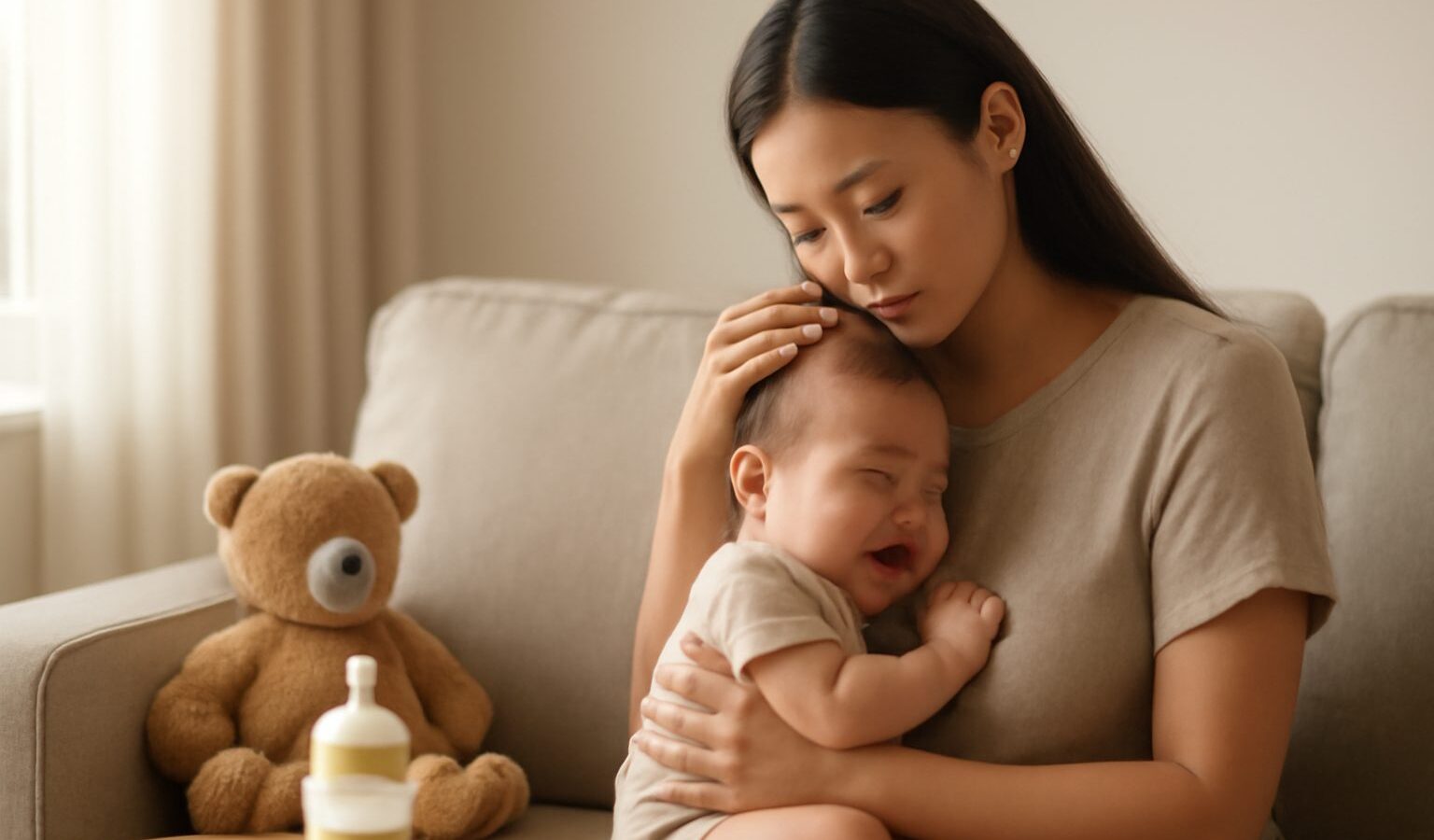
If your baby has started to cry the moment you leave the room, cling to you at drop off, or refuse to settle with anyone but you, take a breath. You have not done anything wrong, and your baby is not being difficult. This clingy stage, often called separation anxiety, is a completely normal and healthy part of growing up. For many families facing separation anxiety in Singapore, it shows up just as parents return to work or hand over more care to a helper or grandparents, which can make the tears feel harder to bear.
This is general, reassuring information to help you through it, not medical advice. Every child is different, and if you are ever worried about your baby, do speak to your doctor, a paediatrician, or the team at KKH or NUH.
Why Separation Anxiety Happens
Separation anxiety usually appears in the second half of the first year and can come and go into the toddler years. It is actually a sign of healthy development and a strong, loving bond. Around this age your baby learns something called object permanence, which means they now understand that you still exist even when you walk out of sight. The tricky part is that they do not yet grasp that you will come back, so a simple trip to the kitchen can feel like a very big deal.
Big changes can make it more intense: starting infant care, a new helper, a house move, travel, or you heading back to the office. Tiredness, teething, or coming down with a bug can also turn up the clinginess. None of this means your baby is spoilt or that you are too soft. It means your child trusts you and feels safest in your arms.
Gentle Ways to Ease Goodbyes
You cannot switch separation anxiety off, but you can help your baby feel more secure through it. Try these calm, practical steps:
- Practise small separations at home. Pop into another room for a moment and call out cheerfully so your baby hears your voice, then come back. Short, happy returns build trust that you always come back.
- Play peekaboo and hiding games. These gently teach that things and people come back after they disappear, which is exactly the lesson your baby is working on.
- Build a short, predictable goodbye routine. A quick cuddle, a wave, and one cheerful phrase like “bye bye, Mummy back soon” works better than a long, tearful send off.
- Always say goodbye, never sneak off. Slipping away while your baby is distracted may feel easier, but it can make them more anxious and watchful next time.
- Hand over during a calm, fed, rested moment. A hungry or overtired baby will struggle more, so time drop offs well where you can.
- Offer a comfort object such as a small familiar cloth or soft toy for older babies, keeping cots clear of loose items for younger ones as safe sleep guidance advises.
- Keep your own tone light and confident. Babies read your face closely. If you seem calm and sure, your baby borrows that calm from you.
Settling With Helpers, Grandparents, and Infant Care
In many Singapore homes, care is shared with a helper, grandparents, or an infant care centre, and your baby can absolutely feel safe with all of them. The key is warm, consistent, responsive care.
- Give any new carer time to bond gradually, with you nearby at first before you step back.
- Share your baby’s routines, comfort tricks, and favourite songs so the day feels familiar.
- For infant care, ask about a settling in period and keep the first few drop offs short and upbeat.
- Trust the carer to comfort your baby their own way, and try not to hover anxiously at handover.
Crying at drop off that eases within a few minutes is very common and does not mean your baby is unhappy all day. A quick check in call or message with the carer can reassure you.
What Usually Helps and What Makes It Harder
Here is a simple comparison to guide you through the wobbly moments.
| Moment | What usually helps | What tends to make it harder |
|---|---|---|
| Leaving the room at home | Calling out, quick cheerful returns | Tiptoeing away in silence |
| Drop off at infant care or with a helper | Short goodbye routine, calm face, a comfort object | Long lingering, tears, sneaking off |
| Bedtime clinginess | Predictable wind down, reassurance, staying nearby | Rushing off, changing the routine nightly |
| Reunion at pick up | Warm, happy greeting and full attention | Distracted phone scrolling, brushing past |
Small, steady wins add up. Celebrate the day the tears last a little less, and be patient on the days they do not.
When to Seek a Little Extra Support
Separation anxiety is normal and usually eases with time, love, and consistency. Still, trust your instincts. It is worth chatting to your doctor, a paediatrician, or the team at KKH if:
- Your baby seems extremely distressed for long periods and cannot be soothed by any familiar carer
- The clinginess is paired with a loss of skills, very little eye contact, or you have wider worries about development
- Your child does not seem to settle at all, even after weeks of gentle, consistent effort
- You yourself feel overwhelmed, low, or unable to cope, in which case a GP can point you to current support
Look up a current helpline or your family doctor rather than relying on an old number, as contacts change over time.
Being Kind to Yourself Through the Clingy Days
Being the only person your baby wants is flattering and exhausting all at once. It is fine to feel touched out, to miss having two free hands, and to long for a shower in peace. Lean on your partner, family, and helper, swap in other carers little by little, and remember that this intense phase is a passing chapter, not forever. Your steady, loving presence is teaching your baby that the world is safe and that you always come back, which is one of the greatest gifts you can give.
Explore more
For more gentle help in these early months, see our guide to soothing a crying baby when the tears feel endless. You might also find comfort in baby wearing for keeping a clingy little one close, and helping your baby through teething if sore gums are adding to the fuss.
Related across Sky Media: Dog Separation Anxiety: Signs and How to Help Your Dog Cope