
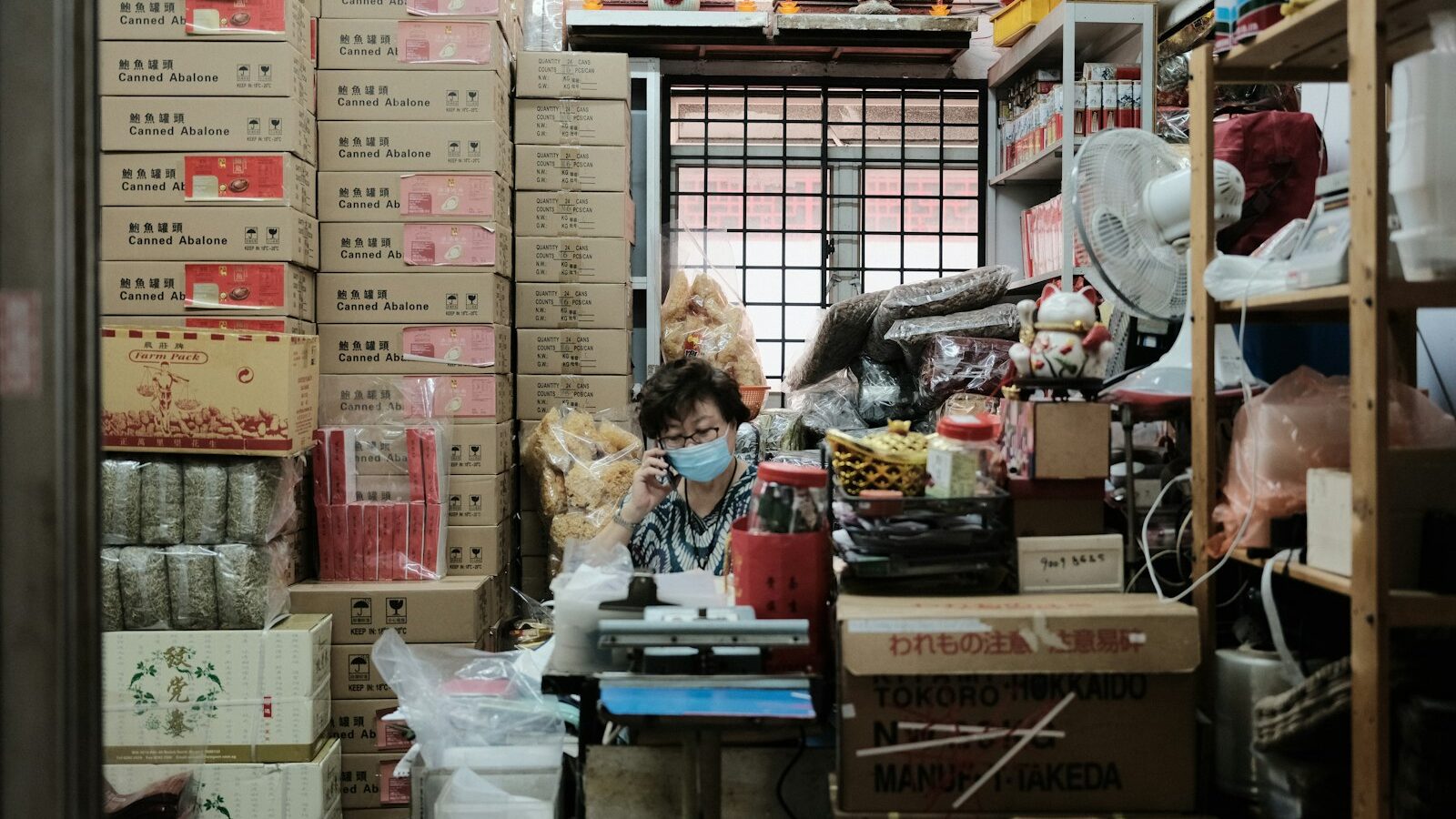
In compact Singapore homes, clutter builds up fast and weighs on both space and mind. Decluttering, clearing out what you no longer need, is one of the most transformative things you can do for your home and wellbeing. This guide offers a practical approach to decluttering and keeping it that way.
Why decluttering matters
Clutter does more than fill space; it can create stress, make cleaning harder, and make a home feel cramped and chaotic. In Singapore’s often compact homes, where space is at a premium, keeping clutter under control is especially important. A decluttered home feels calmer, more spacious and easier to maintain, and the process of letting go of excess can be genuinely freeing. Beyond the practical benefits of reclaimed space, many people find decluttering improves their mental clarity and sense of wellbeing. It is a worthwhile investment of time that pays off every day in a more pleasant living environment.
A room-by-room approach
Tackling the whole home at once is overwhelming, so working room by room, or even category by category, makes decluttering manageable.
| Area | Common clutter to address |
|---|---|
| Wardrobe | Clothes not worn in a long time |
| Kitchen | Duplicate or unused utensils and gadgets |
| Living room | Accumulated items and surfaces |
| Storage areas | Things kept “just in case” |
| Paperwork | Old documents and mail |
Focusing on one area at a time lets you make visible progress without burning out. Complete one space before moving to the next, and the momentum of small wins keeps you going. Breaking the task down turns an intimidating job into a series of achievable steps.
How to decide what to keep
The heart of decluttering is deciding what stays and what goes. A useful principle is to keep what you genuinely use or love, and let go of the rest. Ask whether you have used an item recently, whether it serves a real purpose, and whether it adds value to your life. Be honest about items kept out of guilt, obligation or a vague “might need it someday” that never comes. Sentimental items deserve care, but you need not keep everything. The goal is a home filled with things you use and value, not one buried under things you do not.
What to do with items
Decluttering responsibly means dealing thoughtfully with what you remove.
- Donate usable items to charity or those in need.
- Sell valuable items you no longer want through resale channels.
- Give away to friends, family or community groups.
- Recycle what can be recycled properly.
- Dispose of genuine rubbish responsibly.
Rather than simply throwing everything away, passing on usable items through donation, resale or giving reduces waste and benefits others. This makes decluttering feel positive rather than wasteful, and it aligns with a more sustainable approach to consumption.
Keeping clutter away
Decluttering once is only half the battle; the real goal is keeping clutter from returning. A few habits help: be mindful about what you bring into the home, adopting a considered approach to buying; follow a “one in, one out” principle for some categories; tidy regularly rather than letting things pile up; and give everything a designated place so it is easy to put away. Cultivating a lighter relationship with possessions, favouring quality and usefulness over accumulation, keeps your home decluttered for good. Maintenance is far easier than repeating a big clear-out.
The takeaway
Decluttering your home is one of the most rewarding things you can do, especially in compact Singapore homes where space and calm are precious. Work room by room to keep it manageable, keep only what you genuinely use or love, and deal responsibly with what you remove through donation, resale or recycling. Most importantly, build habits to keep clutter from returning, from mindful buying to giving everything a place. The result is a home that feels more spacious, calmer and easier to maintain, along with the genuine sense of lightness that comes from living with less.
Disposing and donating in Singapore: the practical routes
Deciding to let go of an item is one thing; getting it out of an HDB flat or condo the right way is another. Singapore has several established channels, and matching the item to the correct route saves you time and avoids fines for improper disposal.
- Bulky items (furniture, mattresses, large appliances): Most households can arrange free bulky-item removal through their town council or the appointed public waste collector. There is usually a limit on the number of pieces per collection, so check your town council’s current terms and booking process before hauling anything to the chute area.
- Electronic waste (e-waste): Old phones, laptops, batteries and appliances should not go into the general refuse chute. Singapore runs a national e-waste scheme with designated collection points at many malls, community sites and selected retailers. Check the NEA website for the nearest drop-off point and the list of accepted items.
- Karung guni collectors: The traditional rag-and-bone trade is still active and handy for newspapers, cardboard, metal and working electronics. Some estates also run regular Cash-for-Trash or recycling collection days organised through the town council or NEA.
- Charities and social enterprises: Several charitable organisations accept usable clothing, household goods and furniture, and some offer doorstep collection for larger donations. Confirm what each accepts and their current pickup arrangements before dropping off, as conditions on stains, damage and item type do apply.
- Resale and giveaway platforms: Online marketplaces and community groups make it easy to sell or give away items to someone nearby. Meet in safe, public locations and be realistic about pricing, since second-hand goods rarely fetch what you paid.
When in doubt about what can be recycled or how a specific item should be handled, check with NEA or your town council for the current guidelines rather than assuming, as rules and collection schedules do change.
Common decluttering mistakes to avoid
Even with good intentions, it is easy to stall or slip back into old habits. Knowing the usual pitfalls helps you keep momentum and make the effort stick.
- Buying storage before decluttering: New boxes and organisers simply hide clutter rather than reduce it. Sort and remove first, then buy storage only for what genuinely remains.
- Starting with sentimental items: Old photos and keepsakes trigger the most hesitation. Begin with easy, low-emotion categories such as expired pantry goods or worn-out clothing to build confidence before tackling the hard stuff.
- Creating a “maybe” pile that never gets resolved: Undecided items tend to drift back into the home. Set a clear rule, such as boxing them up with a review date, and act on that date without fail.
- Trying to do everything in one weekend: Burnout leads to abandoned projects and half-empty rooms. Short, focused sessions on a single area are far more sustainable.
- Holding on for hypothetical scenarios: The “might need it someday” mindset is how clutter accumulates in the first place. If an item has sat unused for a year and is cheap to replace, it is usually safe to let it go.
Steering clear of these traps keeps decluttering from becoming a cycle you repeat every few months. The aim is steady, lasting progress rather than a dramatic one-off clear-out that quietly undoes itself.
Explore more: Small-space living: space-saving ideas · Home cleaning services in Singapore · Recycling in Singapore