
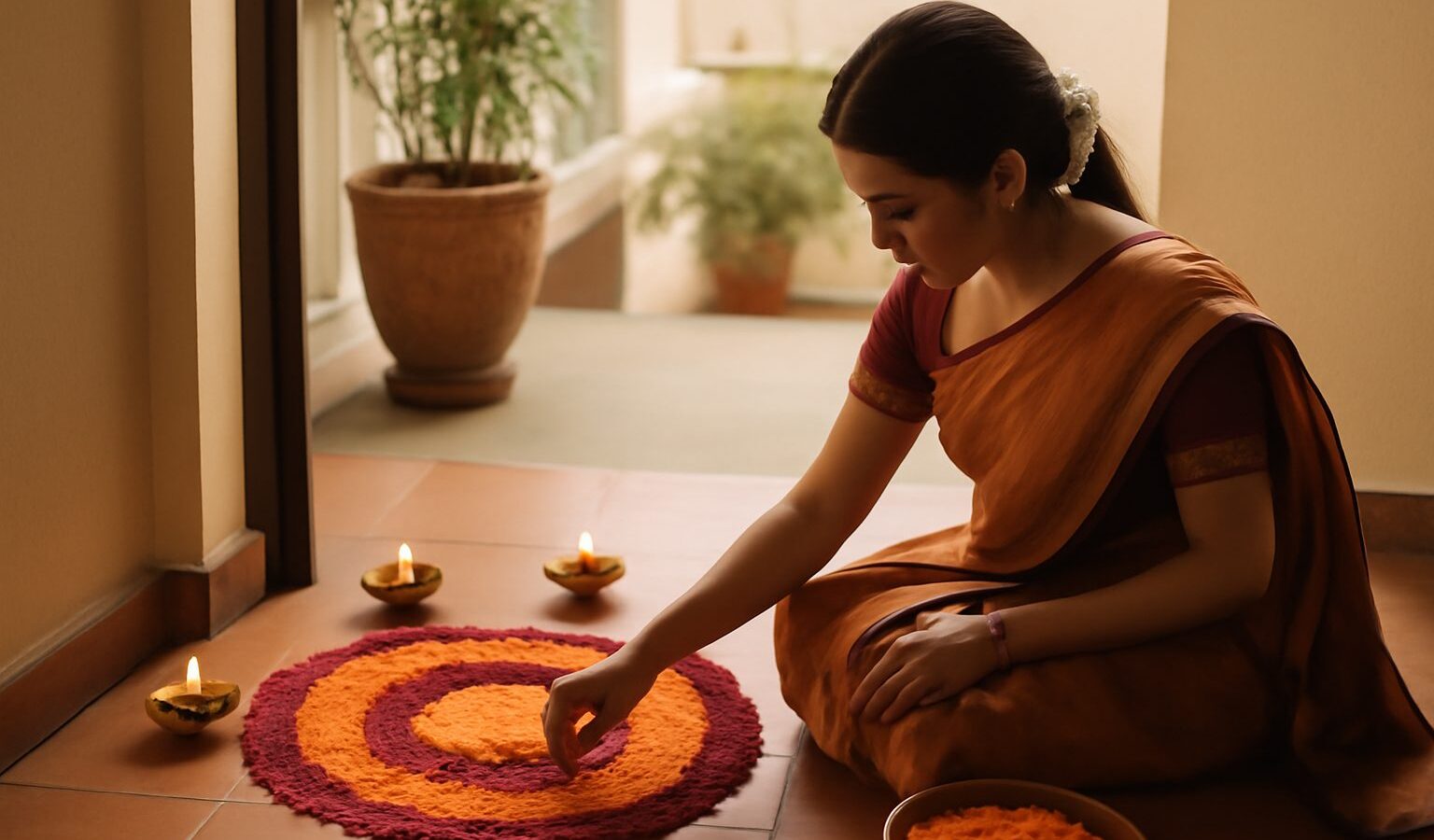
Deepavali in Singapore is one of the country’s most colourful and warmly celebrated festivals, and it is a gazetted public holiday shared by everyone. Known in many places as Diwali and widely called the festival of lights, it is the year’s brightest occasion for much of the Indian community, and especially for Hindus. In the weeks leading up to it, Little India glows with a spectacular light-up, homes fill with the flicker of small lamps, and doorsteps bloom with intricate floor art. This guide explains what Deepavali marks, how it is celebrated here, and how to join in respectfully as a guest. Because it follows the Hindu calendar, the date varies each year, so check the current year’s public holiday list from the Ministry of Manpower.
What Deepavali marks
Deepavali celebrates the triumph of light over darkness and of good over evil, a theme captured beautifully by the rows of lamps that give the festival its name. Across the many Hindu traditions in Singapore, different stories and figures are honoured, and communities from different parts of India may mark the day in their own ways. Rather than pinning the festival to a single account, it helps to understand the shared idea at its heart: the return of light, the renewal of hope, and the encouragement to let goodness prevail in one’s own life.
For families, that meaning plays out in very human ways. Homes are cleaned and refreshed, differences are set aside, blessings are sought from elders, and there is a spirit of fresh starts. Out of respect, this guide describes what the community observes rather than making doctrinal claims, which are best explained by religious teachers and temples themselves.
How the community celebrates here
Preparations begin well before the day. Homes are given a thorough clean, new clothes are bought, and kitchens fill with the aroma of sweets and savoury snacks. On the day itself, many begin with an early oil bath and prayers, then dress in bright new outfits and visit temples, relatives and friends. Some of the most recognisable customs include:
- Oil lamps and lights. Small lamps, often called diyas, are lit to welcome light into the home, and houses are decorated with lights and garlands.
- Kolam. Colourful patterns, known as kolam or rangoli, are laid out at entrances using coloured rice, powders or petals as a sign of welcome and good fortune.
- New clothes. Wearing new outfits, frequently in vivid colours, is part of the sense of renewal.
- Sweets and snacks. Families prepare and share sweets and treats, and exchanging them with neighbours and friends is a cherished part of the day.
- Visiting. Much like other festivals here, open houses and visiting are central, with homes welcoming a steady flow of guests.
Temples are busy with prayers and offerings, and for many the day blends devotion, family time and generosity towards others.
Little India lights up
The public heart of the celebration is Little India, which transforms in the run-up to Deepavali. The annual light-up drapes the streets in glowing arches and figures, and it is one of the loveliest sights in the city at that time of year. A festival bazaar springs up around the area, with stalls selling garlands, lamps, decorations, sweets, snacks, clothing, jewellery and festive goods. The atmosphere is lively and welcoming, and people of all backgrounds come to soak it in, shop and take photographs.
If you plan to visit, expect large crowds in the evenings and on weekends, so allow extra time and consider taking public transport. The light-up and bazaar are wonderful ways to experience the season even if you are not celebrating yourself, and they capture the openness that makes Singapore’s festivals so enjoyable to share.
Deepavali compared with other Singapore festivals
Deepavali sits alongside the other major community festivals on the shared national calendar. Like several of them, its date shifts from year to year because it follows a traditional calendar rather than the Western one. The table below places it next to two others to show what is similar and what is distinct.
| Feature | Deepavali | Chinese New Year | Hari Raya Puasa |
|---|---|---|---|
| Mainly observed by | Indian and Hindu community | Chinese community | Malay and Muslim community |
| Core theme | Light over darkness, good over evil | Renewal, family reunion, prosperity | End of Ramadan, family and forgiveness |
| Signature sights | Oil lamps, kolam, Little India light-up | Red and gold decor, reunion dinners | Festive lights, open houses, feasting |
| Calendar followed | Hindu calendar | Chinese lunar calendar | Islamic calendar |
| Date each year | Varies | Varies | Varies, moves earlier |
| Public holiday | Yes | Yes | Yes |
The public holiday and what stays open
Deepavali is one of Singapore’s gazetted public holidays, so government offices, schools and many workplaces close for the day. Essential services continue, and much of the retail, dining, transport and attractions network keeps running, so the city stays lively. As with other holidays here, if Deepavali falls on a Sunday, the following Monday is typically observed in its place, which can create a long weekend. Because the date is set by the Hindu calendar, it does not land on the same day each year, usually falling somewhere in October or November. For planning, always check the official public holiday list from the Ministry of Manpower for the year in question rather than assuming a fixed date.
Respectful etiquette for guests
You do not need to be Hindu or Indian to enjoy Deepavali, and taking part as a guest is warmly welcomed. A friendly “Happy Deepavali” is always appreciated. If you are invited to a home, dressing modestly and in bright colours suits the mood, and it is polite to check whether you should remove your shoes at the door. Accept sweets and food graciously, since sharing them is part of the joy. When you visit temples or the Little India light-up, be mindful of prayers and rituals in progress, follow any guidance on footwear and dress, and be patient in the crowds. Treating the occasion with the same courtesy you would want for your own traditions reflects the spirit of harmony that lets Singapore’s communities celebrate together.
Explore more
To see how Deepavali fits into the wider year, read our guide to Singapore’s public holidays. For the bigger picture of how communities live side by side and celebrate one another’s festivals, see racial and religious harmony in Singapore. Together they offer helpful context for the festivals you will meet throughout the year.