
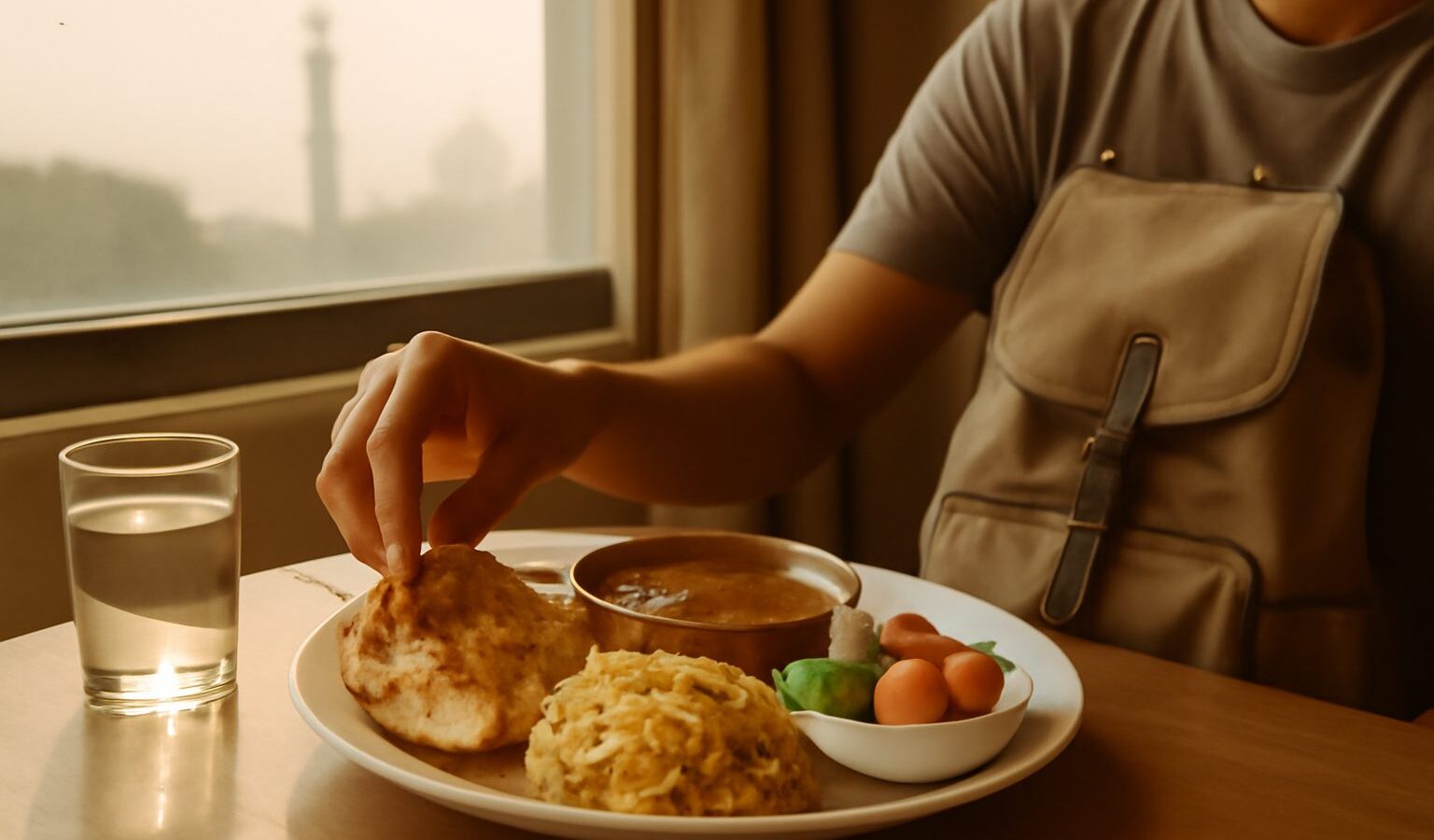
Few trips pack in as much history, colour, and sheer energy as Delhi. India’s sprawling capital is where Mughal forts sit beside colonial boulevards and glassy new metro lines, and for many Singaporeans it is the natural gateway to North India and the famous Golden Triangle. Planning a trip to Delhi from Singapore is easier than it looks once you understand the seasons, the food, and how to move around a city of this size. This guide walks you through the essentials so you can arrive ready to explore rather than overwhelmed.
Getting to Delhi From Singapore
Delhi is served by Indira Gandhi International Airport, one of the busiest hubs in South Asia. Direct flights from Changi to Delhi take roughly five and a half to six hours, which makes it a comfortable option even for a shorter break. Several full service and budget carriers run the route, and you will also find one stop connections through cities such as Kuala Lumpur, Bangkok, or various Indian metros, which can be cheaper if you are flexible on timing.
Because India runs just two and a half hours behind Singapore time, jet lag is minimal. That is a real advantage over long haul destinations. From the airport, the Delhi Metro Airport Express line and prepaid taxis or ride hailing apps make the trip into the city straightforward. Agree on the fare or use a metered or app based option to avoid confusion, and keep small notes handy for tips and short rides.
Best Time to Visit Delhi
Delhi has a strong seasonal rhythm, and timing your trip well makes an enormous difference to your comfort. The peak travel window runs from around October to March, when days are pleasant and evenings can be genuinely cool. Summer, from April to June, brings intense heat that can climb well above what most Singaporeans are used to, so sightseeing becomes tiring. The monsoon arrives roughly from July to September, bringing humidity and downpours that can disrupt plans.
| Season | Months | Weather | Good for |
|---|---|---|---|
| Cool and dry | October to March | Mild days, cool nights | Sightseeing, Golden Triangle trips |
| Hot | April to June | Very hot, dry | Fewer crowds, lower prices |
| Monsoon | July to September | Humid, heavy rain | Green landscapes, indoor culture |
Winter mornings can bring haze and fog, which occasionally affects flights and outdoor visibility, so build a little buffer into tight itineraries. If you want the best balance of comfort and clear skies, aim for the shoulder months of October, February, or March.
Top Things to See and Do
Delhi rewards curiosity. In Old Delhi, the vast Red Fort and the grand Jama Masjid anchor a maze of lanes best explored on foot or by cycle rickshaw, with the Chandni Chowk bazaar offering a full sensory immersion. Nearby, Humayun’s Tomb is a serene Mughal masterpiece that inspired the Taj Mahal, while the towering Qutub Minar marks one of the city’s oldest quarters.
New Delhi shows a different face. The ceremonial avenue leading to India Gate, the grand government buildings, and the peaceful Lodhi Gardens are ideal for slower mornings. Spiritual landmarks such as the lotus shaped Bahai temple and the serene Gurudwara Bangla Sahib welcome respectful visitors of all backgrounds. Cover your shoulders and knees, remove shoes where required, and follow signs at every place of worship.
Delhi is also the launch pad for the Golden Triangle, linking the capital with Agra for the Taj Mahal and Jaipur for Rajasthan’s palaces. Many travellers pair three or four days in Delhi with onward trips by train or private car, turning a city break into a wider North India adventure.
Where to Stay
Choosing the right base helps you make the most of a big city. Central Delhi and the Connaught Place area put you near shopping, restaurants, and metro links, with a mix of comfortable mid range and upscale hotels. The leafy South Delhi neighbourhoods, including areas around Hauz Khas and Saket, are quieter and popular with families and couples who want cafes and boutiques close by. Backpackers often gravitate to the Paharganj area near the main railway station for budget guesthouses, though it is busy and best suited to confident travellers.
Wherever you stay, look for accommodation near a metro station. The network is clean, air conditioned, and one of the easiest ways to cross the city without dealing with traffic.
Food and Dining
Delhi is a paradise for food lovers, and vegetarians in particular are spoiled for choice, since a huge share of Indian cuisine is naturally meat free. Expect rich curries, freshly baked breads, tandoori dishes, and famous street snacks such as chaat and parathas. Many Singaporeans will already recognise North Indian staples from home, but tasting them at the source is a different experience.
Halal food is widely available, especially around Old Delhi and Muslim majority quarters, where kebabs and biryani are local specialities. Look for clearly labelled halal establishments if this matters to you. To keep your stomach happy, favour busy stalls with high turnover, drink sealed bottled water, and ease into spicier street food rather than diving in on day one.
Getting Around
The Delhi Metro is the backbone of easy travel, connecting most major sights and extending to the airport and satellite cities. For shorter hops, ride hailing apps and auto rickshaws are convenient; agree on app based pricing or insist on the meter for autos. Traffic can be heavy, so allow generous time between appointments and avoid rushing across the city during peak hours. Walking is rewarding in compact areas such as Old Delhi and the garden districts, but always stay alert to traffic.
Practical Tips for Singapore Travellers
Singapore passport holders generally need a visa or e-visa to enter India, and the rules and categories change from time to time. Check the latest requirements with the Indian High Commission and confirm entry details before you book, and refer to ICA guidance on travelling abroad. The local currency is the Indian rupee, and while cards are accepted in hotels and larger shops, carry some cash for markets, autos, and tips.
Hindi and English are both widely used, so communication is rarely a problem. For safety, follow MFA travel advisories, keep valuables discreet, use registered transport at night, and be politely firm with persistent touts around major sights. Solo female travellers should take extra common sense precautions, especially after dark. For health, see a doctor or travel clinic before departure to discuss any recommended vaccinations, as this guide is general information and not medical advice. With a little planning, Delhi offers Singaporeans an intense, rewarding, and surprisingly accessible introduction to India.
Explore more
Ready to build a bigger India trip? Pair the capital with the palaces of Rajasthan in our Jaipur from Singapore guide, or head south to the beaches in our Goa from Singapore guide. For a taste of India’s coastal metropolis, our Mumbai from Singapore guide is the perfect next read.