
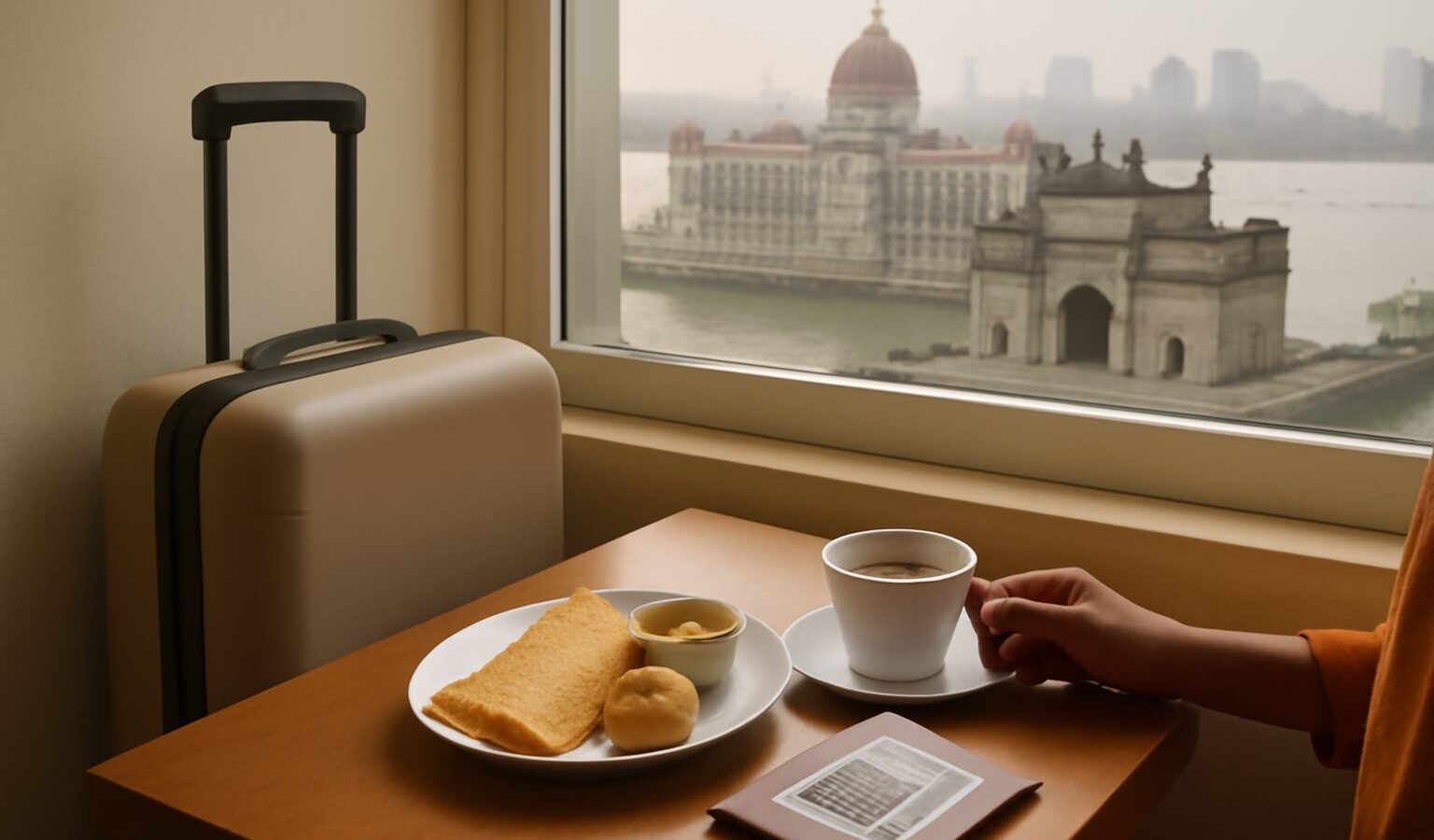
Mumbai is India at full volume: a coastal megacity of dreamers, deal makers, and film stars where colonial arches, art deco facades, and gleaming towers crowd the same skyline. For Singaporeans, it offers a fascinating contrast to the tidy familiarity of home, with an energy that is impossible to ignore. Planning a trip to Mumbai from Singapore is refreshingly simple, and this guide covers the flights, seasons, sights, food, and practical details you need to explore India’s financial and entertainment capital with confidence.
Getting to Mumbai From Singapore
Mumbai’s Chhatrapati Shivaji Maharaj International Airport is a major gateway with strong links to Southeast Asia. Direct flights from Changi to Mumbai take roughly five and a half to six hours, making it an easy medium haul trip. Both full service and budget carriers operate the route, and one stop options through Kuala Lumpur, Bangkok, or Indian hubs can trim costs if your dates are flexible.
India sits two and a half hours behind Singapore, so there is barely any time difference to adjust to. From the airport, prepaid taxis and ride hailing apps are the most reliable way into the city. Traffic can be intense, so allow extra time for transfers, especially if your hotel is in the southern districts, which are furthest from the airport but home to many of the classic sights.
Best Time to Visit Mumbai
Mumbai’s weather is defined by its dramatic monsoon. The most comfortable window runs from around November to February, when humidity eases and evenings by the sea are pleasant. From March to May the city turns hot and sticky, while the monsoon from roughly June to September brings some of the heaviest rain in India, flooding streets and disrupting transport. The rains have their own romance, but they are not ideal for a first visit.
| Season | Months | Weather | Good for |
|---|---|---|---|
| Cool and dry | November to February | Mild, lower humidity | Sightseeing, walking tours |
| Hot | March to May | Hot and humid | Fewer crowds, indoor culture |
| Monsoon | June to September | Very heavy rain | Lush scenery, dramatic seascapes |
For the best balance of comfortable weather and clear skies, aim for the cool season. If you visit during the monsoon, keep plans flexible and pack proper rain gear rather than relying on a flimsy umbrella.
Top Things to See and Do
Start where Mumbai began, in the southern peninsula around Colaba and Fort. The iconic Gateway of India faces the harbour, with the grand Taj Mahal Palace hotel beside it, while the Chhatrapati Shivaji Maharaj Terminus is a spectacular example of Victorian Gothic architecture. A stroll along Marine Drive at dusk, watching the curve of lights known as the Queen’s Necklace switch on, is a quintessential Mumbai moment.
Culture runs deep here. Visit the museums and art galleries of the Kala Ghoda district, wander the antique lanes of Chor Bazaar, and admire the city’s remarkable collection of art deco buildings near Oval Maidan. From the Gateway you can take a ferry to Elephanta Island to see ancient rock cut cave temples. Film fans will enjoy learning about Bollywood, the beating heart of India’s film industry, through studio tours and the buzz around the city’s cinematic culture.
For a glimpse of everyday life, watch the open air Dhobi Ghat laundry at work, or take an organised, respectful walking tour to understand how the city functions. Cover up appropriately at temples and other places of worship, and always ask before photographing people.
Where to Stay
Southern Mumbai, including Colaba and Fort, is the classic choice for first time visitors, putting you within walking distance of the headline sights and lively cafes. Expect a mix of heritage hotels, mid range options, and a few budget guesthouses. The Bandra district, further north, is trendy and residential, packed with restaurants, boutiques, and a younger crowd, and it is well placed if you want a more local feel. Business travellers often stay in the modern Bandra Kurla area or near the airport for convenience.
Wherever you choose, factor in traffic. A hotel near a suburban railway station or metro line can save you a lot of time crossing this long, narrow city.
Food and Dining
Mumbai’s food scene is legendary and endlessly varied. The city is famous for street snacks such as vada pav, pav bhaji, and bhel puri, alongside the seafood rich Koli cuisine of its original fishing communities and superb regional Indian cooking from across the country. Vegetarians are exceptionally well catered for, as many restaurants are fully vegetarian and clearly marked.
Halal food is widely available, particularly in Muslim majority areas and around Mohammed Ali Road, which is especially lively during Ramadan. Look for clearly labelled halal eateries if this is important to you. To stay well, choose busy stalls with brisk turnover, stick to sealed bottled water, and build up your spice tolerance gradually. Do not miss a cutting chai, the small glass of sweet milky tea that fuels the whole city.
Getting Around
Mumbai’s lifeline is its suburban railway, which moves millions of commuters daily; it is efficient but extremely crowded at peak times, so first timers may prefer to travel off peak or use other options. The expanding metro is cleaner and more comfortable for key routes. For flexibility, ride hailing apps and the city’s black and yellow taxis and auto rickshaws are convenient, though autos generally operate only in the suburbs. Agree on app pricing or insist on the meter, keep small change handy, and allow generous time for traffic.
Practical Tips for Singapore Travellers
Singapore passport holders generally need a visa or e-visa to enter India, and the categories and rules can change. Confirm the latest requirements with the Indian High Commission before booking, and check ICA guidance on travelling overseas. The currency is the Indian rupee; cards work in hotels and larger venues, but carry cash for markets, taxis, and tips.
English and Hindi are widely spoken, along with Marathi, so language is rarely a barrier. For safety, follow MFA travel advisories, keep your belongings secure in crowds, use registered transport at night, and be firm but polite with persistent touts. Mumbai is generally considered one of India’s more relaxed big cities, but common sense precautions still apply, especially for solo travellers after dark. For health, consult a doctor or travel clinic before departure about any recommended vaccinations, as this is general information and not medical advice. With minimal jet lag and a short flight, Mumbai makes an exhilarating long weekend or a rich stop on a wider India journey.
Explore more
Want to see more of India? Balance Mumbai’s intensity with the sands of our Goa from Singapore guide, or explore the capital and Golden Triangle in our Delhi from Singapore guide. For tranquil backwaters and green hills, our Kerala from Singapore guide points the way south.