
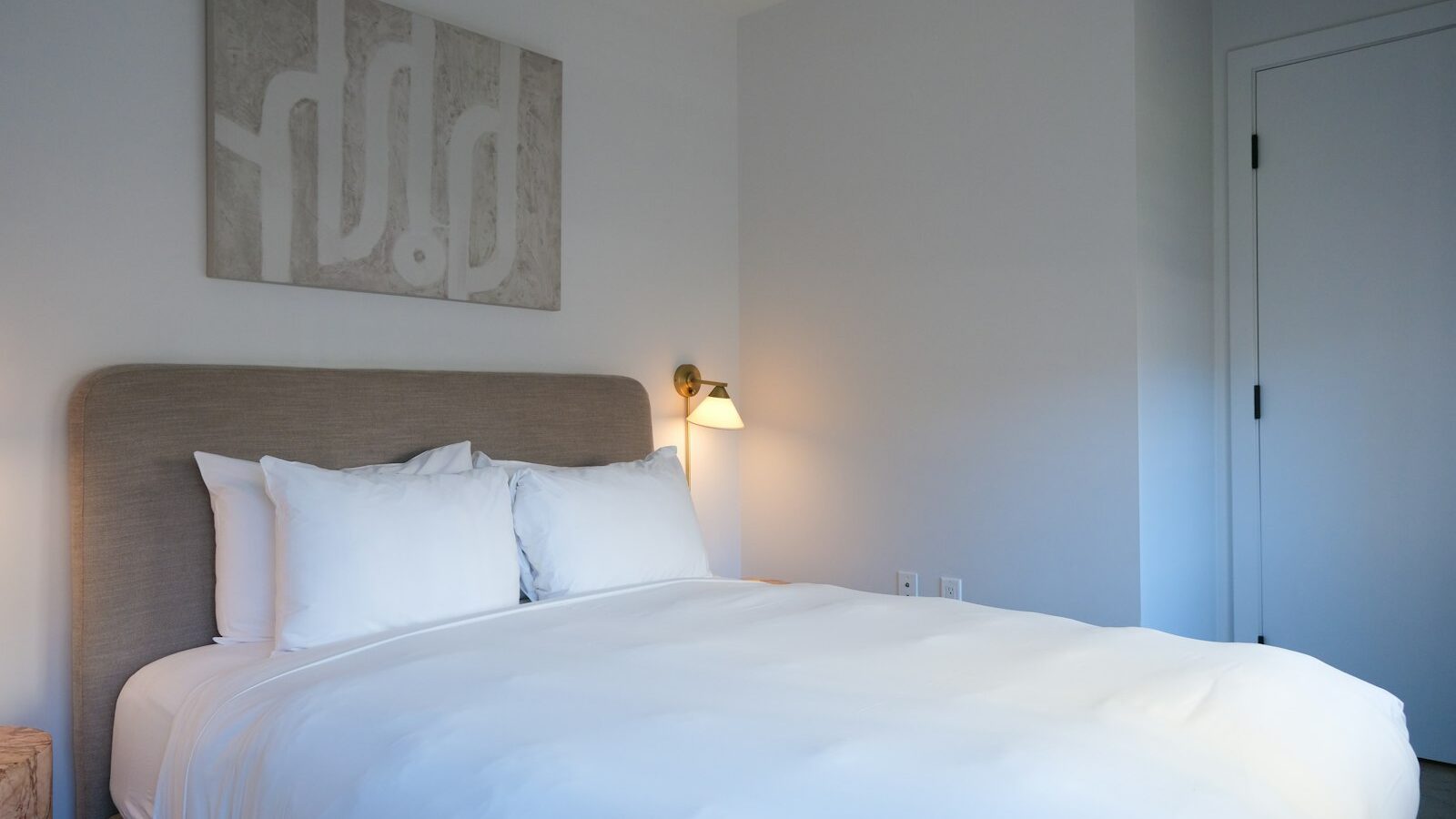
Having somewhere comfortable to put up visitors is one of the quiet luxuries of a well-planned home. Yet for the typical guest room Singapore flats can spare, space is precious, and few of us can devote an entire room solely to occasional guests. The art lies in designing a space that welcomes visitors warmly when they come, and earns its keep the rest of the year as a study, reading nook or hobby corner.
This guide walks through flexible, dual-purpose design, the bedding and comfort that make a night’s stay restful, and the small hospitality touches that turn a spare room into a genuinely welcoming one.
Design for Double Duty
The most practical guest room is rarely a guest room alone. Since visitors may come only now and then, the smart approach is to design a room that serves you daily and converts easily when guests arrive. A home office that becomes a bedroom, or a reading room that doubles as sleeping quarters, makes far better use of limited space.
A sofa bed or a good quality folding bed sits at the heart of this idea. During ordinary weeks it is seating or is tucked away, and when guests come it unfolds into a proper bed. Choose comfort over novelty here, since a flimsy mattress will leave visitors sore. A daybed is another elegant option, working as a couch by day and a bed by night without the bulk of a full frame.
Wall-mounted or foldable desks help a room shift roles. A slim desk that folds flat, or a console that doubles as a dressing table, lets the room work as a study without dominating it. The aim is furniture that changes function quickly, so switching between everyday use and guest use takes minutes, not an afternoon.
Make Storage Do the Heavy Lifting
Storage is what keeps a dual-purpose room from feeling chaotic. When a space wears two hats, everyday clutter needs somewhere to disappear so the room can present cleanly for guests.
Build in clever storage wherever you can. Ottomans and benches with hollow interiors hold spare bedding and pillows. Beds with drawers underneath, or a divan base, swallow linen and towels. A slim wardrobe or a few shelves give guests somewhere to place their things, which is a courtesy many hosts forget. Even a couple of empty hangers and a clear shelf signal that a guest is genuinely expected, not merely tolerated.
Keep a dedicated set of guest bedding and towels stored ready to go. When visitors arrive at short notice, having everything to hand turns preparation into a five-minute task rather than a scramble.
Get the Bedding Right
Nothing shapes a guest’s impression more than how they sleep. Even a small or multi-purpose room feels generous when the bed is comfortable and the bedding is fresh and inviting.
Invest in a supportive mattress or a quality mattress topper if you are using a sofa bed. Layer the bed with clean, breathable cotton sheets suited to our warm climate, a light duvet or blanket, and a choice of pillows, since some people like them firm and others soft. Offering two pillow types is a simple kindness that makes a real difference.
Here is a checklist of guest room comforts, from the true essentials to the touches that lift a stay from adequate to memorable.
| Priority | What to provide | Why it matters |
|---|---|---|
| Essential | Clean sheets and pillows | The core of a good night |
| Essential | Fresh towels | Basic comfort and hygiene |
| Nice to have | Bedside light and socket | Reading and charging devices |
| Nice to have | Spare blanket | Comfort with air conditioning |
| Thoughtful | Water and a few snacks | Guests feel cared for |
| Thoughtful | Wifi details on a card | Saves awkward questions |
Light It Well and Keep It Cool
Lighting sets the mood of a guest room. A single harsh ceiling light feels institutional, so layer your lighting instead. A soft ceiling light for general use, plus a bedside lamp for reading and winding down, gives guests control over the atmosphere. If the room doubles as a study, a task light at the desk completes the set.
Comfort in our climate means managing heat and air. Make sure guests can adjust the air conditioning or fan easily, and show them the controls rather than leaving them guessing. Blackout curtains or blinds are worth adding, as they help visitors sleep in an unfamiliar room and block the early morning light. Good ventilation keeps the room fresh, especially if it sits unused between visits.
Add Hospitality Touches
The details are what guests remember. Beyond a comfortable bed, small considerate touches make people feel genuinely looked after rather than squeezed in.
Leave a jug or bottle of water and a glass by the bed. Provide fresh towels folded neatly where they can be seen. A few spare toiletries, a phone charger, and a note of the wifi password save your guests from asking. A small shelf or hook for a bag, a mirror, and somewhere to sit and put on shoes all add quiet convenience.
A little warmth goes a long way. A plant, a couple of books, a soft throw or a scented reed diffuser makes the room feel considered rather than purely functional. You are not aiming for a hotel; you are aiming for a space where someone you care about feels relaxed and at home.
Keep It Flexible and Ready
The best guest room is one you barely notice until you need it, then falls effortlessly into place. By designing for double duty, building in generous storage, keeping quality bedding on standby and adding a few thoughtful touches, even a compact home can host visitors with grace.
Do a quick refresh before each stay: air the room, make up the bed with fresh linen, clear your everyday clutter into its storage, and set out water and towels. With a well-planned space, that simple routine is all it takes to make anyone who stays feel truly welcome.
Explore more
Bedroom Design and Setup
How to Create a Restful Bedroom for Better Sleep
Reducing Dust and Allergens at Home
Preventing Mould and Mildew at Home