
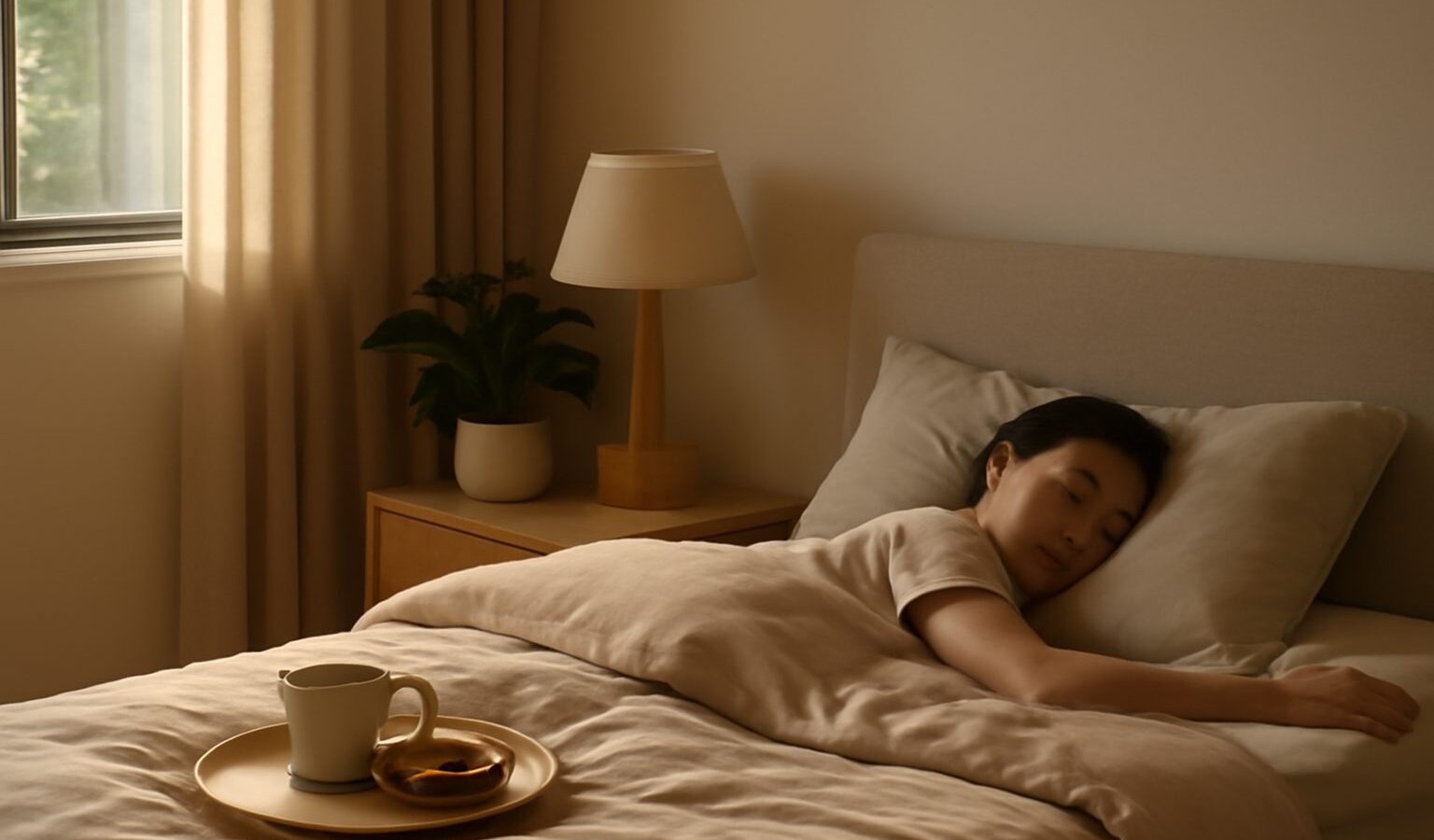
The bedroom is the one room that should help you switch off, yet many of ours are set up more for storage than for sleep. Creating a restful bedroom for sleep in Singapore is less about a big makeover and more about removing the small things that keep us alert and adding the calm ones that help us drift off. This guide covers the practical changes that make the biggest difference, all shaped around our warm, humid nights.
Sleep is deeply affected by our surroundings. Temperature, light, sound and clutter all tell the body whether it is time to relax or stay switched on. Get these working in your favour and you give yourself the best chance of falling asleep easily and waking up refreshed, without spending much at all.
Keep the Room Cool and Comfortable
In our climate, temperature is the number one factor in a good night’s sleep. A hot, sticky room makes it hard to fall asleep and easy to wake up, so getting the air right is the first thing to sort out.
Ways to keep cool through the night:
- Use a fan or air-conditioner to keep the room comfortable, and if you use air-conditioning, a gentle timer or sleep setting keeps it from getting too cold in the small hours.
- Choose light, breathable bedding in natural fabrics that let air move and wick away moisture, rather than heavy or synthetic sheets that trap heat.
- Keep the room aired during the day so it does not feel stuffy at night, and let a breeze through in the cooler evening hours.
- Position the bed away from direct afternoon sun so the room is not still radiating heat at bedtime.
Humidity matters as much as heat. Damp night air feels heavier and can leave bedding and the mattress feeling clammy over time, which encourages dust mites and musty smells. Airing the room by day and keeping it from getting too humid makes the bed a much more pleasant place to lie down.
Control Light for Deeper Sleep
Light is a powerful signal to the body. Bright light keeps us alert, while darkness tells the brain it is time to wind down. Managing the light in your bedroom is one of the simplest and most effective changes you can make.
- Fit blackout or heavier curtains to block early morning sun and street lighting, which is a common cause of waking too early.
- Keep the main ceiling light soft and warm rather than bright and cool, since warm light is far gentler on a winding-down body.
- Use a bedside lamp with a soft glow for reading, so you are not flooding the room with harsh light right before sleep.
- Dim or switch off screens well before bed, as their bright light makes it harder to feel sleepy.
The aim is a gentle slide from bright and busy to soft and dark. If your room gets a lot of light from outside or from a corridor, heavier curtains and a small adjustment to your lamps can transform how easily you drop off. Warm, low light in the evening is one of the kindest things you can do for your sleep.
Clear the Clutter and Calm the Space
A cluttered bedroom keeps the mind busy, even when you do not realise it. Piles of things, work items and visual noise all make it harder to relax. A calmer space genuinely helps a calmer mind.
Simple ways to settle the room:
- Keep surfaces near the bed clear, with only the few things you actually use at night.
- Find a home for laundry and everyday clutter so it is not the last thing you see before sleep.
- Where you can, keep work out of the bedroom so the space is linked to rest rather than tasks.
- Make the bed each morning, which takes a minute and makes the whole room feel calmer at night.
You do not need a minimalist showroom, just a room that feels settled rather than chaotic. Even in a compact HDB bedroom, a little tidying and a few clear surfaces make the space feel more like a retreat. The goal is for your eyes, and your mind, to have somewhere restful to land.
Choose Calm Colours, Sounds and Scents
The finer touches shape the mood of the room. Soft, muted colours feel more restful than bright, bold ones, so calm tones on walls, bedding and curtains help the space feel soothing. If repainting is not an option, softer bedding and curtains go a long way on their own.
Sound and scent matter too. Our neighbourhoods can be lively, so if noise bothers you, a fan or a soft background sound can gently mask sudden street noise. A lightly fresh-smelling room helps as well, though this is best achieved by keeping the room clean and aired rather than with heavy fragrance. A little goes a long way, and gentle is always better than strong in a room meant for rest.
Here is a quick comparison of common bedroom factors and how to set them for better sleep.
| Factor | Restful setting | Avoid |
|---|---|---|
| Temperature | Cool and airy | Hot, stuffy, sealed room |
| Light | Soft, warm, easy to darken | Bright cool light, unblocked windows |
| Clutter | Clear surfaces, tidy | Piles, work items by the bed |
| Colours | Soft, muted tones | Bright, bold, busy patterns |
| Sound | Quiet or gentle background | Sudden, jarring noise |
Build a Simple Wind-Down Routine
A restful room works best alongside a gentle routine that tells your body sleep is coming. You do not need anything elaborate, just a few calm habits repeated each night. Dim the lights an hour or so before bed, put screens away, and do something quiet like reading or light stretching. Keep your sleep and wake times roughly steady, even on weekends, so your body settles into a rhythm.
Think of the room and the routine as a team. The cool air, soft light and tidy space set the stage, and the wind-down habits do the rest. None of it requires money or renovation, just a little attention to how the room feels at night. Start with the change that bothers you most, whether that is the heat, the light or the clutter, and build from there. Small, steady adjustments are what turn an ordinary bedroom into a genuinely restful place to sleep.
Explore more
Good air makes for good sleep, so pair this with our guide on how to improve indoor air quality at home, and read how to make your home smell fresh naturally for a calmer-smelling room. For the soft evening glow that helps you wind down, see how to plan lighting for every room.