
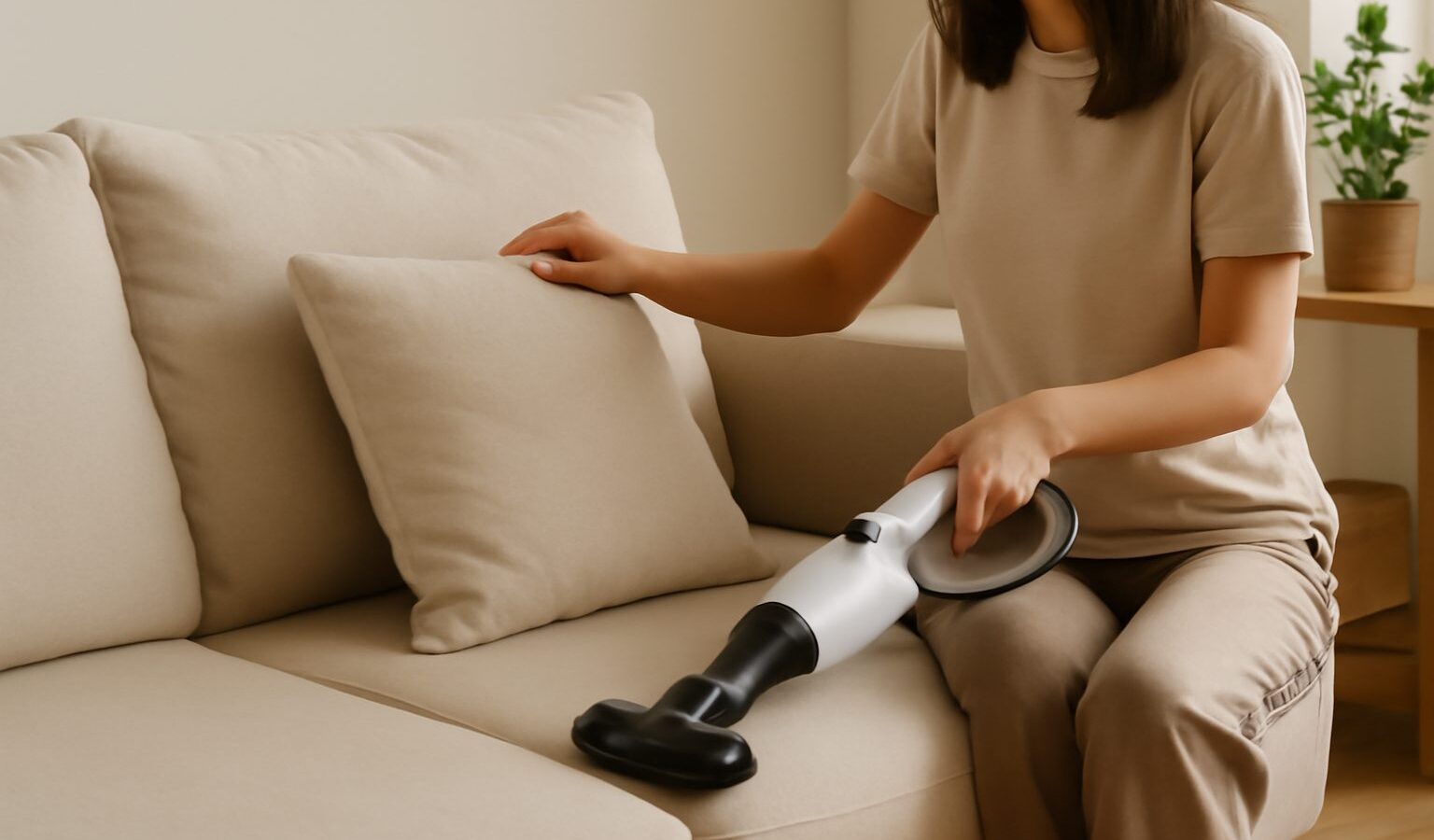
Reducing dust at home is a constant task in Singapore, where warmth and humidity create ideal conditions for dust mites and where windows often stay open to the street. Dust is not just untidy. It carries mite droppings, fabric fibres, and outdoor particles that can leave sensitive noses and eyes irritated. The good news is that a sensible routine, a few smart choices about furnishings, and attention to humidity can make a real difference. This is general wellbeing advice, not medical guidance, so speak to a doctor about persistent symptoms.
Understand where household dust comes from
Dust is a mixture, and knowing what is in yours helps you target it. Typical household dust includes:
- Dead skin cells and hair from people and pets
- Fibres shed from clothing, bedding, curtains, and carpets
- Dust mite bodies and their waste, which thrive in warm, humid homes
- Fine particles that drift in from outdoors through windows and doors
- Mould spores in damp corners
In Singapore’s climate, dust mites deserve special attention. They love the humidity and feed on the skin flakes we shed, which is why bedding and soft furnishings are hotspots.
Tackle soft furnishings first
Fabrics trap and release dust every time you touch them, so they are the highest-value place to start.
- Bedding: Wash sheets and pillowcases weekly in hot water where the fabric allows. Heat helps deal with mites more effectively than a cold wash.
- Pillows and mattresses: Use washable, tightly woven covers. Air and rotate mattresses, and replace pillows when they lose shape.
- Curtains and cushions: Choose washable covers so you can clean them regularly. Heavy drapes hold a surprising amount of dust.
- Rugs and carpets: These are dust reservoirs. In a humid climate, hard flooring with a few washable rugs is easier to keep clean than wall-to-wall carpet.
If a room is a dust trap and someone in the household is sensitive, reducing the number of soft surfaces is one of the most effective changes you can make.
Build a cleaning routine that actually reduces dust
Cleaning in a way that lifts dust out of the home, rather than just moving it around, is the whole game.
- Dust with a damp or microfibre cloth so particles stick to the cloth instead of floating up.
- Work from high surfaces down to the floor, so dust that falls is cleaned last.
- Vacuum regularly, ideally with a machine fitted with a fine filter that traps small particles rather than blowing them back out.
- Mop hard floors after vacuuming to pick up the fine dust that a vacuum leaves behind.
- Do not forget the hidden collectors: ceiling fan blades, the tops of wardrobes, skirting, and behind furniture.
A little and often beats an occasional heavy clean. A quick daily wipe of key surfaces keeps dust from building into a bigger problem.
Choosing an approach: compare your options
There is no single fix. Most homes benefit from combining several tactics, and this table shows where each one earns its place.
| Approach | Best for | Effort | Notes |
|---|---|---|---|
| Damp dusting and mopping | Everyday dust control | Low, ongoing | Cheapest and reliably effective |
| Reducing soft furnishings | Homes with sensitive members | One-off decluttering | Fewer surfaces means less trapped dust |
| Washable covers on bedding | Dust mite reduction | Low, weekly wash | High impact where people sleep |
| Air purifier with a fine filter | Airborne particles | Moderate, filter costs | Helps in closed rooms, not a cure alone |
| Dehumidifying or air conditioning | Controlling humidity | Moderate, energy use | Lower humidity discourages mites and mould |
| Doormats and no-shoes rule | Outdoor dirt at the door | Very low | Stops dust entering in the first place |
Manage humidity to discourage mites and mould
Humidity is the lever that makes Singapore homes so friendly to dust mites and mould. Bringing it down helps on both fronts.
- Run air conditioning or a dehumidifier in bedrooms, which lowers the moisture mites need to thrive.
- Ventilate bathrooms and kitchens so damp air does not settle into fabrics and corners.
- Fix leaks and dry wet patches quickly to stop mould gaining a foothold.
- Avoid drying laundry indoors in an unventilated room, which pushes moisture into the air.
You do not need a laboratory-perfect number. Simply keeping rooms drier and better ventilated shifts the balance in your favour.
Filters and air movement
Filters help, but only as part of the wider routine.
- Air conditioner filters: Clean them on the schedule in your unit’s manual. A clogged filter recirculates dust and works harder for less cooling.
- Air purifiers: A unit with a fine particulate filter can reduce airborne dust in a closed room. Size it to the room and keep windows shut while it runs.
- Fans: Useful for comfort, but a dusty fan blade flings particles around. Wipe blades often.
Treat filters as something to maintain, not fit and forget. A dirty filter quietly undoes your other efforts.
Small habits that keep dust down
The finishing touches are easy and cost almost nothing.
- Place a good doormat at every entrance and consider leaving shoes at the door.
- Groom pets regularly and keep them off beds if a household member is sensitive.
- Declutter surfaces so there are fewer places for dust to gather and more room to wipe.
- Store rarely used items in closed boxes rather than open shelves.
- Change and wash cloths and vacuum filters so your cleaning tools are not spreading dust.
A calmer, cleaner home
Reducing dust at home is less about one heroic clean and more about steady habits suited to Singapore’s humidity. Focus on bedding and soft furnishings, dust and mop the right way, keep humidity in check, and maintain your filters. Do these consistently and you will notice fresher rooms and, for many households, more comfortable breathing. If symptoms persist despite a clean home, that is the point to seek proper medical advice.
Explore more: How to improve indoor air quality at home in Singapore · Sustainable home ideas for Singapore · How to maintain your home appliances