
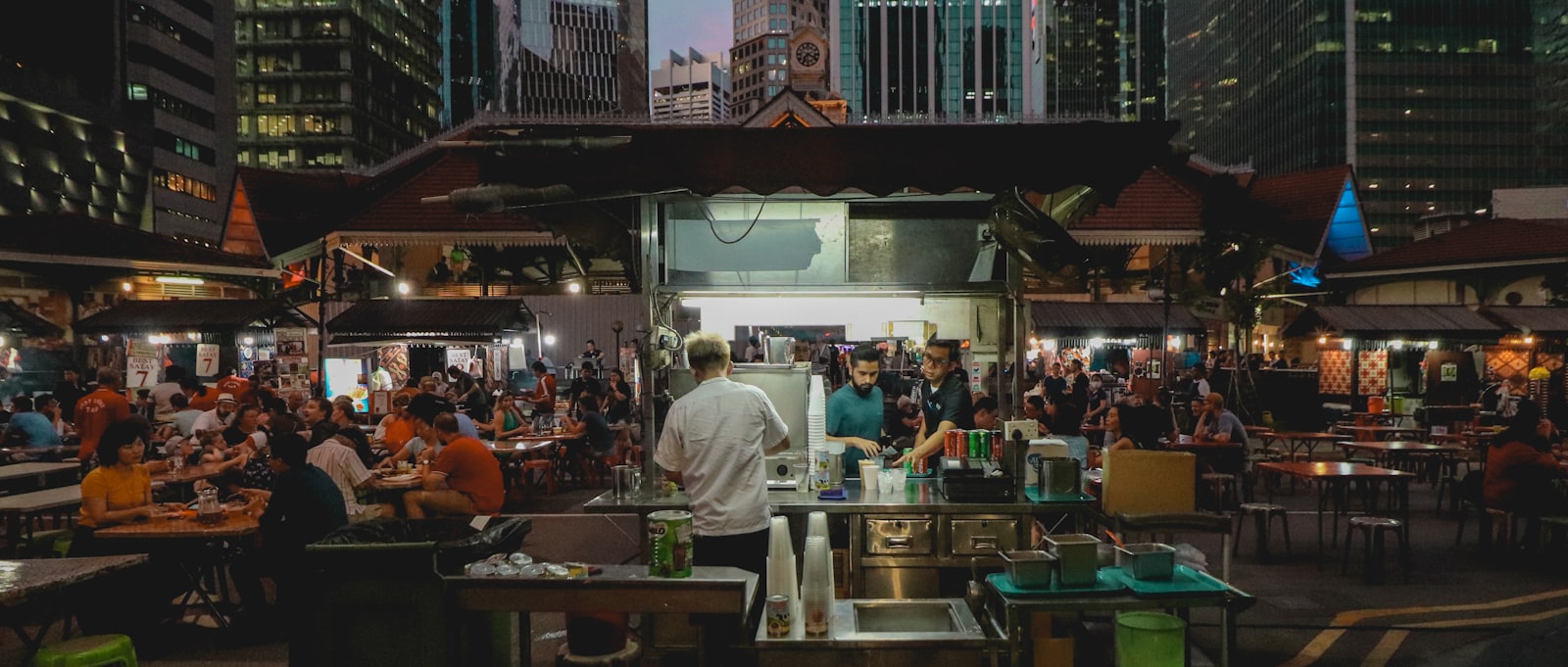
Singapore’s Chinese food is not one cuisine but many, shaped by the different dialect groups who settled here, each bringing their own culinary traditions. From Teochew porridge to Hainanese chicken rice, dialect foods run deep in the local food scene. This guide introduces the main Chinese dialect cuisines and their signature dishes.
Why dialect matters in food
The Chinese community in Singapore is made up of several dialect groups, including Hokkien, Teochew, Cantonese, Hainanese and Hakka, each originating from different regions of China with distinct culinary traditions. These traditions have shaped much of the local food landscape, and many beloved hawker dishes trace their roots to a particular dialect group. Understanding this adds a rich layer of appreciation, revealing the diversity within what might seem like a single Chinese cuisine. It also explains why similar-sounding dishes can differ, and why certain foods carry cultural significance for particular communities.
Teochew cuisine
Teochew food is known for its emphasis on fresh, clean flavours and the natural taste of ingredients, often featuring seafood and gentle cooking methods.
- Teochew porridge, plain rice porridge served with an array of small savoury dishes.
- Braised duck and meats, in a fragrant, savoury braise.
- Steamed fish, showcasing freshness.
- Fishball and kway teow dishes, light and clean.
Teochew cuisine’s restraint and focus on freshness make it distinctive and much loved.
Hokkien cuisine
Hokkien food is hearty and flavourful, and the Hokkien community has left a big mark on local hawker fare.
- Hokkien mee, the beloved prawn and pork noodle dish.
- Braised dishes, rich and savoury.
- Popiah, fresh spring rolls.
- Oyster omelette, or orh luak, a savoury favourite.
Hokkien dishes are among the most iconic in the local hawker repertoire.
Cantonese, Hainanese and Hakka
| Dialect | Known for |
|---|---|
| Cantonese | Roast meats, dim sum, refined stir-fries and soups |
| Hainanese | Hainanese chicken rice, Western food adaptations |
| Hakka | Yong tau foo, abacus seeds, hearty rustic dishes |
Cantonese cuisine brings the beloved roast meats and dim sum, and a tradition of refined cooking and soups. Hainanese cuisine gave Singapore its iconic chicken rice and the distinctive Hainanese Western food. Hakka cuisine contributes hearty, rustic dishes like yong tau foo and abacus seeds. Each has enriched the local table in its own way.
How dialect foods blended
While each dialect cuisine retains its identity, generations of living side by side have led to blending, sharing and adaptation, creating the vibrant, mixed food culture of Singapore today. Dishes have crossed communities, ingredients and techniques have mingled, and new local creations have emerged. This blending is part of what makes the food scene so rich, and it reflects the broader multicultural character of the nation. Yet the dialect roots remain visible for those who look, adding depth and story to everyday meals and connecting dishes to the communities that brought them.
How to explore dialect foods
- Seek out signature dishes, like Teochew porridge or Hakka yong tau foo, at specialist stalls.
- Notice the differences, appreciating the distinct styles and flavours.
- Try braised and steamed dishes, which showcase particular dialect strengths.
- Ask about origins, since stallholders can often share the heritage.
- Appreciate the diversity, seeing Chinese food here as many cuisines, not one.
Where to find them
Dialect foods are found throughout Singapore’s hawker centres, coffee shops and restaurants, with some stalls specialising in particular dialect cuisines and dishes. Older food centres and heritage areas are especially rich in traditional dialect dishes, and some long-standing establishments preserve authentic recipes passed down through families. Exploring different neighbourhoods and stalls reveals the breadth of dialect cooking, from a bowl of clean Teochew porridge to a plate of Cantonese roast meats, each a delicious expression of a particular community’s heritage.
The takeaway
Chinese food in Singapore is a tapestry woven from many dialect traditions, each bringing its own signature dishes and character, from the fresh restraint of Teochew and the hearty flavours of Hokkien to Cantonese roast meats, Hainanese chicken rice and Hakka rustic fare. Over generations these cuisines have both retained their identities and blended into the vibrant local food culture. Explore the signature dishes, notice the distinct styles, and appreciate the heritage behind them. In doing so, you gain a deeper understanding of the diversity and richness that make eating in Singapore such a delight. Next time you enjoy a plate of chicken rice or a bowl of fishball noodles, spare a thought for the dialect community that brought it here, and the generations of hawkers who have kept the tradition alive on their stall.
Dialect foods through the festive calendar
Many dialect dishes are tied to the rhythm of the year, appearing most strongly around festivals and family gatherings, and this is one of the best ways to taste the traditions at their most authentic. During these seasons, older recipes that rarely feature on a weekday hawker menu come out of home kitchens and specialist stalls, offering a window into each community’s heritage.
- Lunar New Year, when Hokkien and Teochew families often prepare braised meats, pen cai style hotpots and steamed cakes such as nian gao, each carrying its own symbolism of prosperity and togetherness.
- Dragon Boat Festival, when different communities make their own style of rice dumplings, so a Hokkien bak chang can taste quite different from a Cantonese or Nyonya influenced version.
- Weddings and birthdays, where Cantonese roast meats, longevity noodles and double-boiled soups often take pride of place.
- Ancestral prayers and Qing Ming, when families offer traditional kueh, braised dishes and other foods with deep dialect roots.
Seeking these out when the season comes around lets you taste dishes that are harder to find the rest of the year, and it connects the food to the customs that keep it alive.
Common misconceptions to avoid
Because dialect cuisines have mingled for so long, it is easy to make a few honest mistakes when exploring them. Keeping these in mind will deepen your appreciation and help you order with more confidence.
- Assuming one dish belongs to one group only. Many popular dishes have been adopted and adapted across communities, so a stall’s version may differ from what you grew up with, and neither is wrong.
- Expecting strong flavours everywhere. Some traditions, such as Teochew cooking, prize restraint and freshness, so a dish that tastes gentle is not underseasoned, it is doing exactly what it is meant to.
- Reading names too literally. Similar names across dialects can point to quite different dishes, so it helps to ask the stallholder what goes into a particular bowl or plate.
- Treating heritage as fixed. Recipes evolve with each generation of hawkers and home cooks, and that living, changing quality is part of what makes the food culture here so rich.
Approaching dialect food with curiosity rather than firm expectations turns every meal into a small lesson in Singapore’s layered food history, and it makes the familiar plate in front of you a little more interesting.
Explore more: Teochew porridge guide · Hokkien mee guide · Yong tau foo guide