
If you come from the Chaoshan region, or simply love its clean, delicate cooking, you are in luck, because teochew food singapore is not an import but part of the island’s very foundation. The Teochew people, from the Chaoshan area of eastern Guangdong, are one of Singapore’s largest dialect groups, and their cuisine has shaped local dining for generations. This is food that prizes freshness and subtlety over heavy spice: gentle porridge, fragrant braised meats, the taste of the sea, and light, well-balanced flavours. This guide introduces the signature dishes and shows you where such food is typically found across Singapore.
A cuisine built on freshness
Teochew cooking is famous for letting good ingredients speak for themselves. Rather than masking flavours with heavy sauces, it uses careful technique, gentle seasoning and impeccable freshness. Seafood is central, often steamed or lightly cooked so its natural sweetness shines. Braising with aromatic spices creates deep, savoury dishes, while simple accompaniments such as chilli and vinegar dips add brightness without overwhelming. For newcomers used to bolder regional cuisines, Teochew food can feel like a soothing, restorative change of pace.
Because the Teochew community in Singapore is so well established, this cuisine is woven into everyday eating here. You will find it in humble coffee shops, in bustling hawker centres, and in dedicated Teochew restaurants for a more formal meal. That deep local heritage means the dishes here are authentic and lovingly maintained, not a passing trend.
The signature dishes to seek out
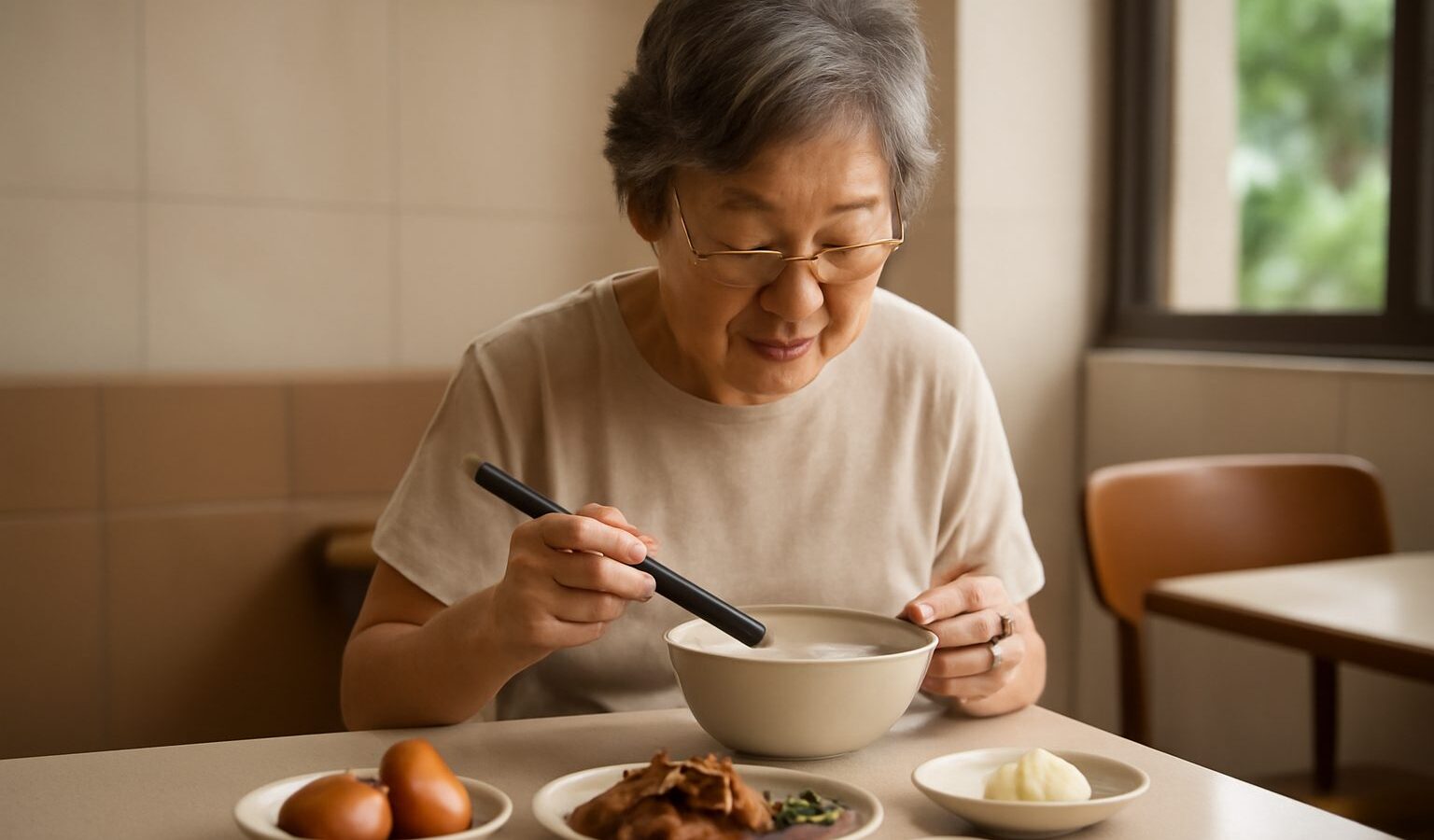
Teochew porridge, or muay, is the heart of home-style Chaoshan eating. This is not a thick congee but a light, watery rice porridge served with an array of small side dishes: braised or steamed fish, preserved vegetables, salted egg, minced meat, braised tofu, and various little savoury plates. You take a spoon of plain porridge with a bite of a salty, flavourful side, and the combination is comforting and endlessly satisfying. Eating Teochew porridge is a relaxed, communal affair, perfect for a light dinner.
Braised goose, or lou goose, is a celebrated Teochew specialty. The goose (and often duck, tofu, egg and offal too) is slow-braised in a master stock rich with soy, garlic and warm spices until deeply savoury and tender. It is served sliced, usually with a garlic-vinegar dip that cuts the richness. This braised platter is a true taste of Chaoshan.
Oyster omelette, known locally as orh luak, is a beloved dish with Teochew roots: plump oysters folded into a starchy, egg-based batter and fried until the edges crisp, finished with a tangy chilli sauce. It is a hawker classic you will find widely.
Fish balls and fishcake are perhaps the most everyday of all. Bouncy, handmade fish balls in a clear soup with noodles, often called fishball noodles, are a staple breakfast and lunch across the island, and their springy texture is a point of pride. Other Teochew treasures include steamed fish, kway chap (flat rice sheets with braised pork and offal), oyster and preserved-vegetable dishes, and sweet endings such as orh nee, a smooth yam paste dessert.
Here is a quick guide to the dishes and where you will usually find them.
| Dish | What it is | Usually found at |
|---|---|---|
| Teochew porridge | Light rice porridge with many small sides | Coffee shops, porridge eateries |
| Braised goose | Slow-braised goose with garlic-vinegar dip | Teochew restaurants, braised-meat stalls |
| Oyster omelette | Crisp egg batter with oysters and chilli | Hawker centres, food courts |
| Fishball noodles | Bouncy fish balls in soup with noodles | Hawker stalls, coffee shops islandwide |
Where such food is typically found
Because businesses change over time, this guide points to the kinds of places rather than naming specific stalls, so your search stays useful for years.
Hawker centres and coffee shops are the everyday home of Teochew food. Fishball noodles, oyster omelette and kway chap are common stall types you will spot in almost any hawker centre, and they are among the most affordable, satisfying meals around. For Teochew porridge, look for the porridge stalls and coffee shops, often busiest in the evenings, that lay out trays of side dishes for you to choose from.
For braised goose and a fuller Teochew spread, dedicated Teochew restaurants offer the more traditional experience, ideal for a family gathering or a special meal. Historically, areas around the old riverside and the Teochew community’s traditional districts have strong roots in this cuisine, and you will find well-regarded Teochew dining across the island, from heartland neighbourhoods to more established restaurant clusters. Chinese grocers and wet markets also stock fresh fish balls, preserved vegetables and braising ingredients if you fancy cooking at home.
As always, fellow residents are your best guide. Because Teochew heritage is so strong here, plenty of locals, not only newcomers, have firm opinions on where to find the best fishball noodles or the most fragrant braised goose. Ask around and follow the queues.
Tips for eating Teochew well
A few pointers help you get the most from this cuisine. With Teochew porridge, do not be shy about choosing several small side dishes, since the joy of the meal lies in the variety; a salty preserved vegetable, a piece of steamed fish and a spoon of braised minced pork together make each mouthful of plain porridge sing. Many porridge stalls open in the evening, so it makes a lovely, light supper after a warm day. When you order braised goose, ask for a mix of the goose meat along with braised tofu, egg and offal if you enjoy them, and use the garlic-vinegar dip generously to balance the richness.
For oyster omelette, some stalls make a crispier version and others a softer, starchier one, so try both styles and decide which you prefer. With fishball noodles, you can usually choose your noodle type and ask for soup or dry, tossed in a savoury sauce with the soup served on the side. Remember too that Teochew cooking values freshness above all, so seafood dishes are at their best when the ingredients are clearly fresh; a good Teochew kitchen will be proud to show you that they are. Approach the cuisine with a relaxed, curious palate and you will quickly understand why it has such a treasured place in Singapore.
A heritage worth savouring
Discovering teochew food singapore has quietly perfected over generations is one of the delights of living here. From a light, comforting bowl of porridge with its little side dishes, to tender braised goose, crisp oyster omelette and springy fish balls, this is cuisine that rewards a gentle palate and an appreciation for freshness. Thanks to the deep Teochew heritage woven through Singapore, you will find these dishes everywhere, from humble hawker stalls to proper restaurants. Explore widely, ask locals for their favourites, and let the clean, delicate flavours of Chaoshan become part of your life in Singapore.