
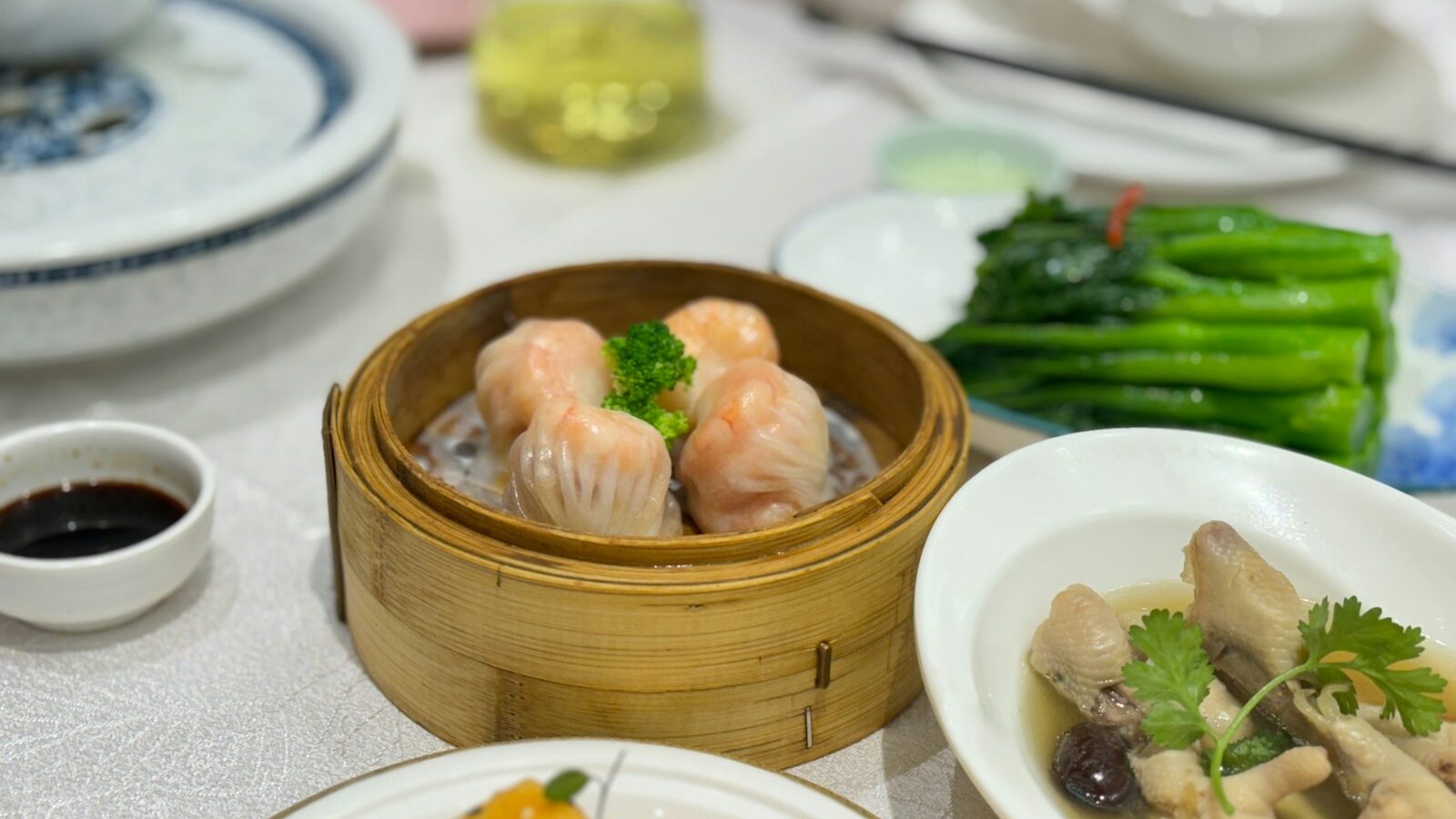
There is a particular kind of joy in lifting the lid off a bamboo steamer you filled yourself, watching the cloud of fragrant steam rise and knowing every pleat was folded by your own fingers. A dim sum making class in Singapore turns the familiar weekend yum cha ritual into something you can recreate at home, and it is far more approachable than the delicate results on the table might suggest. Whether you have always wanted to master the translucent skin of a har gow or simply fancy a hands-on afternoon with friends, these workshops meet you exactly where you are.
Singapore, with its deep love of Cantonese teahouse culture, is a natural home for this kind of class. Sessions run across the island in cooking studios, community kitchens and the teaching spaces of some restaurants and hotels. This guide walks you through what you will actually do in a class, the formats on offer, safety and allergy points to keep in mind, and how to choose the session that fits you best.
What you learn and take home
Most dim sum classes are built around two or three signature items so you leave with real, repeatable skills rather than a rushed sampler. The all time favourites tend to feature: har gow, the crescent shaped prawn dumpling with its pleated, see through wrapper; siew mai, the open topped pork and prawn parcel; and a steamed bun such as char siew bao, with its soft, pillowy dough. Some studios add crystal skin dumplings, custard buns, chee cheong fun rice rolls or pan fried potstickers to the line up.
The real teaching lies in technique. You will learn to work the specialist wheat starch and tapioca dough that gives har gow its glassy finish, roll wrappers to an even thinness, and portion filling so nothing bursts in the steamer. Pleating is the centrepiece skill, and a good facilitator will slow it right down, folding one pleat at a time so you can copy the motion. Expect to be a little clumsy at first; by your third or fourth dumpling something clicks, and that moment of it finally looking right is what people remember.
You typically steam and eat your creations on the spot, then pack the rest to take home. Many studios send you off with a recipe card or notes so you can repeat everything in your own kitchen. Do not judge your first batch too harshly. Even wonky dumplings taste wonderful straight from the steamer, and the folding gets neater every single time you practise.
Class formats to choose from
Dim sum workshops come in several shapes, and the right one depends on who you are coming with and how deep you want to go.
| Format | Best suited to | What to expect |
|---|---|---|
| Group class | Solo learners and small groups of friends | A shared bench, a set menu of two or three items, sociable and beginner friendly |
| Private session | Families, close friends, special occasions | Your own facilitator, flexible menu, a relaxed pace with more personal attention |
| Couples workshop | Date nights and anniversaries | Working as a pair on a shared steamer, light and playful in tone |
| Team building | Offices and larger groups | Friendly folding challenges, larger venues, an icebreaker with something to eat at the end |
| Kids and family class | Parents with children | Simpler shapes, safer prep steps, shorter running time |
Group classes are the most common and the easiest on the wallet, usually running a couple of hours with everyone following the same menu. Private and couples sessions cost more but give you room to ask questions and tailor what you make. For workplaces, team building versions turn pleating into a bit of friendly competition. If you are bringing young children, look specifically for a family friendly session, as these adjust the knife work and hot steamer steps to keep little ones safe.
Kitchen and food safety
A dim sum class is a cooking class, so the usual kitchen sense applies. You will be working near hot steamers and boiling water, and the metal and bamboo both stay hot well after cooking, so handle them only as your facilitator shows you and let them lift lids where the steam is fiercest. That rising steam can scald, so lean back rather than over the basket when the lid comes off.
Fillings are often raw prawn and pork, so wash your hands well, keep raw and cooked items apart, and make sure everything is properly steamed through before you tuck in. If you have knife work to do, follow the safe cutting technique your facilitator demonstrates and keep fingers tucked away.
Allergies deserve a mention up front. Prawn and other shellfish are central to classic dim sum, alongside wheat, soy, sesame and sometimes egg and peanut. If you or anyone in your group has a food allergy or dietary need, flag it when you book so the studio can adapt the filling or suggest a suitable item. Many places can offer vegetarian versions built around mushroom, tofu and vegetables if you ask ahead.
How to choose the right class
Start with what you want to make. If your heart is set on that glassy har gow skin, check the menu covers it, as the specialist dough is a distinct skill. If you would rather focus on buns, look for a bao centred session. Beginners are welcome almost everywhere, so do not be put off if you have never folded a dumpling in your life; these classes are designed for exactly that.
Think about group size too. Smaller classes mean more one to one guidance, which helps enormously with fiddly pleating. Consider the location and timing that suit you, and whether you want a weekday evening unwind or a leisurely weekend session. Prices, schedules and menus vary between operators and change over time, so check current listings and confirm the details directly with the studio before booking.
A few practical notes for the day itself. Wear comfortable clothes you do not mind getting a dusting of flour on, tie back long hair, and remove rings and bracelets before you handle dough. Bring an appetite and, ideally, a container in case the studio does not provide one for your takeaways, though many do. Come with patience and good humour rather than perfectionism, and you will have a brilliant time.
Why it is worth doing
Beyond the food, a dim sum class is a lovely window into a craft that professional chefs spend years refining. You come away with a new respect for the steady hands behind every teahouse trolley, a set of skills you can bring out for family gatherings and Lunar New Year, and a steamer full of dumplings you made yourself. It is hands on, social and deeply satisfying, and it gives an ordinary afternoon a warm sense of occasion. Book a dim sum making class, roll up your sleeves, and discover just how good home folded dim sum can taste.