
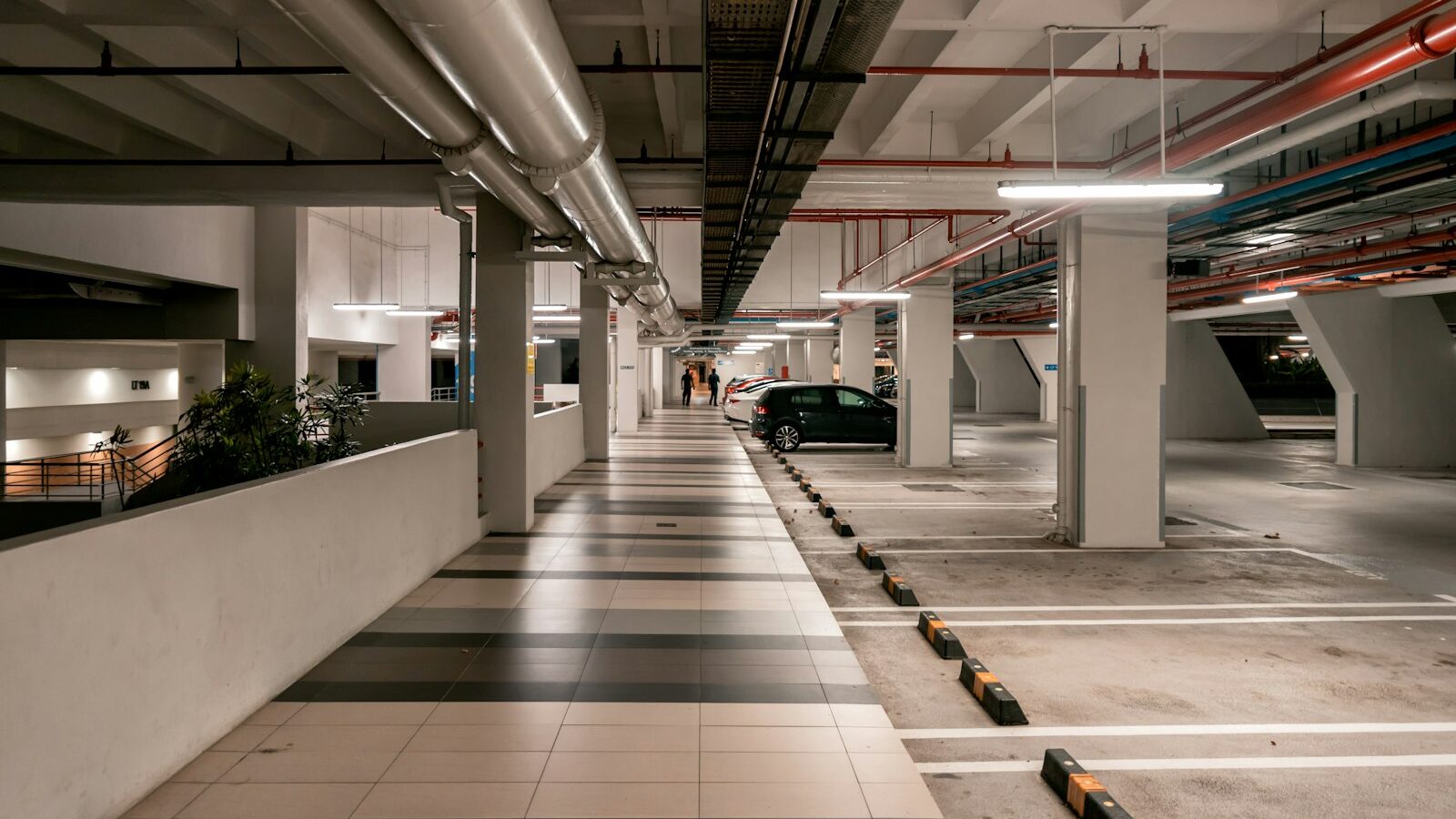
Multi-storey car parks are part of daily life here, from HDB estates to malls and offices. They are also where many drivers feel their nerves, thanks to tight ramps, blind corners, and narrow bays. Getting comfortable with multi storey carpark driving singapore is mostly about slowing down, looking carefully, and knowing what to expect at each stage. With a calm approach, even a packed weekend car park becomes manageable.
This is general guidance to help you drive these spaces more confidently. It is not a substitute for proper lessons with a qualified instructor or for the Highway Code, and you should always follow the car park’s signage, speed limits, and directional arrows, along with current road rules.

Entering and moving through the car park
The entrance sets the tone. Approach the gantry slowly, have your cashless parking method ready, and check the clearance sign if you drive a taller vehicle such as an MPV or van. Once inside, drop your speed right down. Car parks are shared with pedestrians, trolleys, and reversing cars, so treat every aisle as a place where someone might step or roll out without warning.
A few habits keep things smooth as you move around:
- Follow the arrows. Aisles are often one-way. Going against the flow risks a head-on meeting on a narrow lane.
- Keep left and stay slow on ramps. Ramps are tight and sometimes steep, with blind crests. Take them gently, and if you drive a manual, smooth clutch work matters, so the tips on hill starts and slope driving are worth a look.
- Watch for reversing cars. Brake lights and reverse lights are your early warning. Give anyone backing out plenty of room.
- Use your horn lightly at blind corners. A short tap can alert an oncoming driver you cannot see.
- Mind pedestrians everywhere. People walk between cars and along aisles, often distracted, so anticipate them.
Parking in tight bays
Local bays can feel snug, especially in older car parks. This is where unhurried, deliberate parking pays off. Line up your approach, signal your intention, and take your time.
Reversing into a bay is often the safer choice. It is easier to drive out forwards later with a clear view of the aisle, rather than reversing blindly into traffic. Use your mirrors, look over your shoulder, and lean on your reverse cameras and parking sensors if your car has them, while remembering that they assist rather than replace your own checks.
Watch for the pillars, kerbs, and low walls that these car parks are full of. Scrapes against a concrete pillar are among the most common car park knocks. Leave enough room on both sides to open your doors without dinging the car beside you, and do not straddle the lines. If a bay is simply too tight or awkward, it is fine to move on and find an easier one. When your car is parked, note the level and lot number, or snap a photo, so you can find it again easily.
Staying safe and avoiding scrapes
Even careful drivers pick up the occasional mark in a car park, and sometimes another driver clips your car and leaves. Knowing how to respond to carpark scratches and hit-and-run situations saves a lot of stress, and small marks can often be sorted using the advice on fixing small car scratches and chips.
To keep trouble to a minimum:
- Go slowly. Almost every car park bump happens at low speed but with poor observation, so speed is rarely the issue, attention is.
- Do not rush for a lot. If someone is waiting for the same space, let it go rather than forcing a tight, hurried move.
- Mind your mirrors. Fold them if that helps in a very tight bay, but remember to unfold them before driving off.
- Take extra care with children and trolleys. Families and shoppers move unpredictably near their cars.
Leaving the car park
When you return, load up, check around your car before moving, and reverse or pull out slowly with a good look both ways. Follow the exit arrows, and have your payment ready before you reach the exit gantry so you do not hold up the queue behind you. If the barrier does not lift, stay calm, do not reverse into the cars behind, and use the help intercom if there is a problem.
The bottom line
Multi storey carpark driving singapore comes down to patience and observation. Slow right down, follow the signs and arrows, watch constantly for pedestrians and reversing cars, and take your time lining up in tight bays. Reverse in where you can, note where you parked, and never rush a manoeuvre for the sake of a lot. Handled calmly, even the busiest car park is nothing to fear.