
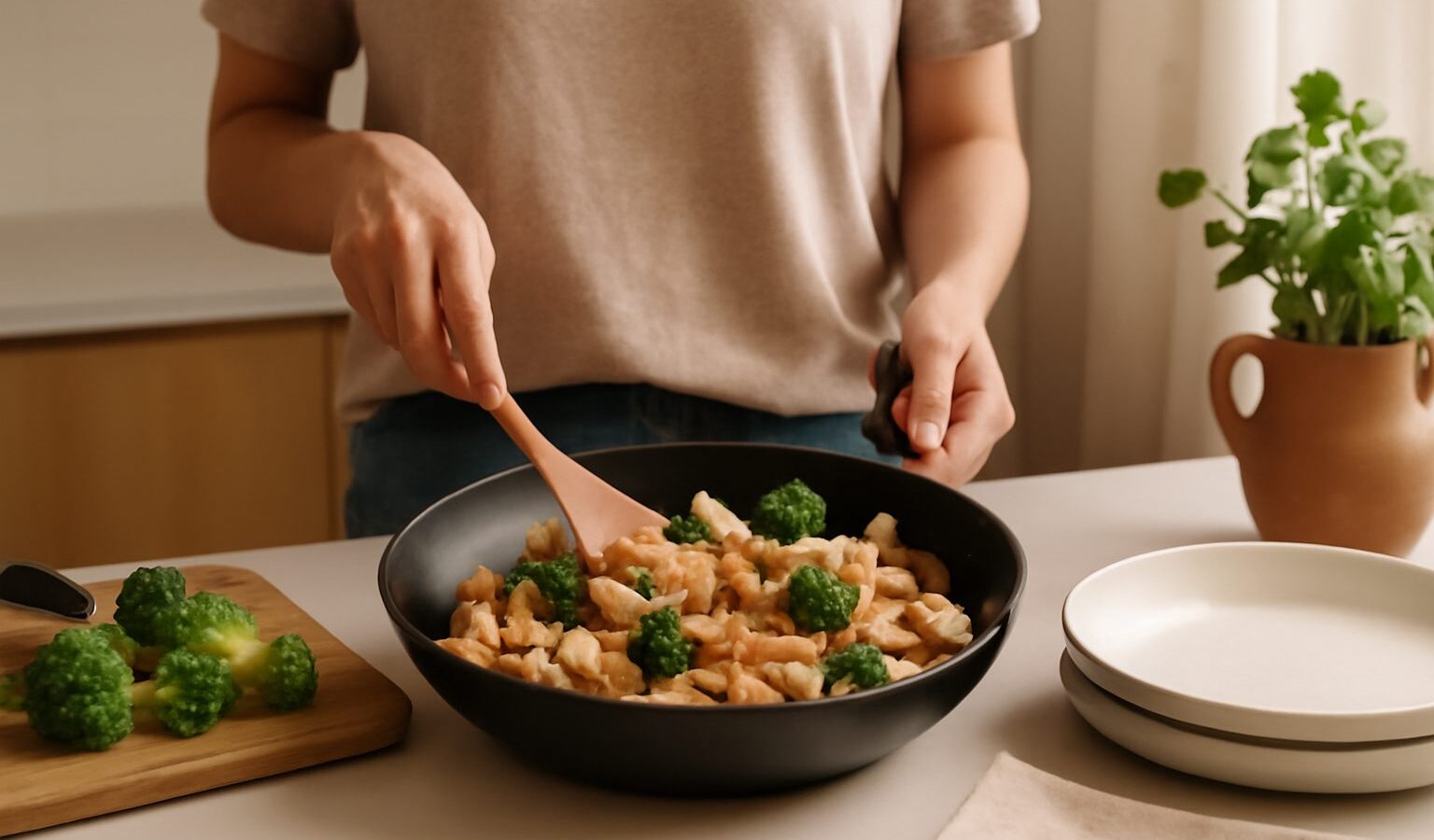
There is a special kind of tiredness that hits after a long day, when you are hungry but the thought of a sink full of pots is enough to make you order in. This is exactly where one-pan meals in Singapore earn their keep. Everything cooks in a single pan or pot, flavours build on each other, and you are left with one thing to wash instead of a whole kitchen. For small HDB kitchens with limited counter space and one or two hobs, it is the most sensible way to cook on a weeknight.
This guide walks through the main one-pan methods, gives you flexible formulas rather than rigid recipes, and shares the small tricks that keep everything cooking evenly.
Why One Pan Just Works
The appeal is obvious the moment you try it. Less washing up, less counter clutter, and a meal that mostly looks after itself while you shower or fold laundry. But there is a flavour bonus too. When you cook everything in one vessel, the browned bits from the meat season the vegetables, and the starches thicken the sauce, so the whole dish tastes connected rather than assembled.
One-pan cooking also suits our kitchens perfectly. You rarely need more than one hob, the ingredient list stays short, and cleanup is quick even when you are exhausted. It is friendly to beginners because there are fewer moving parts to time.
The Main One-Pan Methods
There is no single one-pan recipe. There are a few methods, and once you know them you can cook endless variations from whatever is in the fridge.
- The stir-fry: hot wok, aromatics, protein, then vegetables, finished with a quick sauce. The fastest option of all.
- The traybake: everything tossed with oil and seasoning on a tray, then roasted together while you do nothing.
- The one-pot rice: raw rice, liquid, protein and vegetables cooked together until the rice is done, like a claypot-style dish or a simple pilaf.
- The braise or stew: brown the protein, add liquid and hardy vegetables, then let it simmer low and slow.
- The skillet dinner: sear a protein, push it aside, cook vegetables in the same pan, and bring it all together with a splash of stock or sauce.
Each of these is a shape you can fill with almost anything. Chicken thigh, potato and long beans in a traybake one night, prawns and mixed vegetables in a stir-fry the next.
Cook Everything Evenly in One Pan
The one real skill in one-pan cooking is timing, because ingredients cook at different speeds. Throw everything in at once and you get raw carrots next to mushy greens. The fix is to add things in order of how long they take.
A reliable sequence:
- Start the slowest, densest items first: potato, carrot, pumpkin, onion.
- Add proteins next, giving them time to cook through.
- Add quick vegetables like leafy greens, bean sprouts and tomato near the end.
- Finish with anything delicate: herbs, spring onion, a squeeze of lime.
Cut ingredients to matching sizes so they cook at the same rate, and do not overcrowd the pan. A packed pan steams instead of browning, which is why home stir-fries sometimes turn out watery. If you have a lot to cook, do it in two batches rather than piling it all in.
Here is a rough guide to how the main methods compare, so you can pick one to match your night:
| Method | Hands-on effort | Washing up | Best for |
|---|---|---|---|
| Stir-fry | Active, all at the stove | One wok | The fastest weeknight dinner |
| Traybake | Low, mostly hands-off | One tray | Nights you want to walk away |
| One-pot rice | Low to medium | One pot | A complete meal in one vessel |
| Braise or stew | Low, but slow | One pot | Cheaper cuts, batch cooking |
| Skillet dinner | Medium | One pan | Pan-seared protein with a quick sauce |
Match the method to your energy. Some nights you can stand at the wok, and some nights you just want to shove a tray in and disappear.
Make It a Full Meal
A one-pan dish should hit protein, vegetable and carb so it stands alone without extra sides to wash up after. Build the carb into the pan where you can: rice cooked with the dish, potatoes roasted alongside the chicken, or noodles tossed in at the end. When rice is separate, let the rice cooker handle it so your one pan stays one pan.
Season in layers as you go rather than only at the end. A pinch of salt on the vegetables as they cook, a splash of soy or oyster sauce for depth, and a fresh hit at the finish, like chilli, lime or spring onion, keeps the dish from tasting flat. Taste before serving and adjust. Most dull one-pan dinners just need a little more salt or acidity.
Do not forget texture. A one-pan meal can go soft and samey, so add a crunchy element: fried shallots, toasted nuts, or vegetables kept slightly crisp.
Save Time and Leftovers
One-pan meals are made for batch cooking. Braises and one-pot rice dishes reheat beautifully, so cook extra on purpose and you have tomorrow’s lunch sorted. Chill any leftovers promptly in our heat rather than leaving the pan out on the stove, and reheat until piping hot all the way through before eating.
A few habits make weeknight one-pan cooking even easier:
- Keep a couple of proteins portioned flat in the freezer for quick thawing.
- Prep hardy vegetables ahead so they are ready to tip into the pan.
- Keep the pantry stocked with soy, oyster sauce, stock and dried aromatics.
- Line your tray with baking paper for traybakes, so even the tray barely needs washing.
Once one-pan cooking becomes your default, weeknight dinner stops being a decision and starts being a habit. One pan, one wash, dinner done.
Explore more
One-pan cooking pairs perfectly with fast, no-fuss dinners, so see our guide to quick 30-minute weeknight dinners and learn to cook with less food waste at home by turning one-pan leftovers into the next meal. If you are feeding friends, our tips on hosting a simple dinner party at home show how make-ahead pans keep hosting relaxed.