
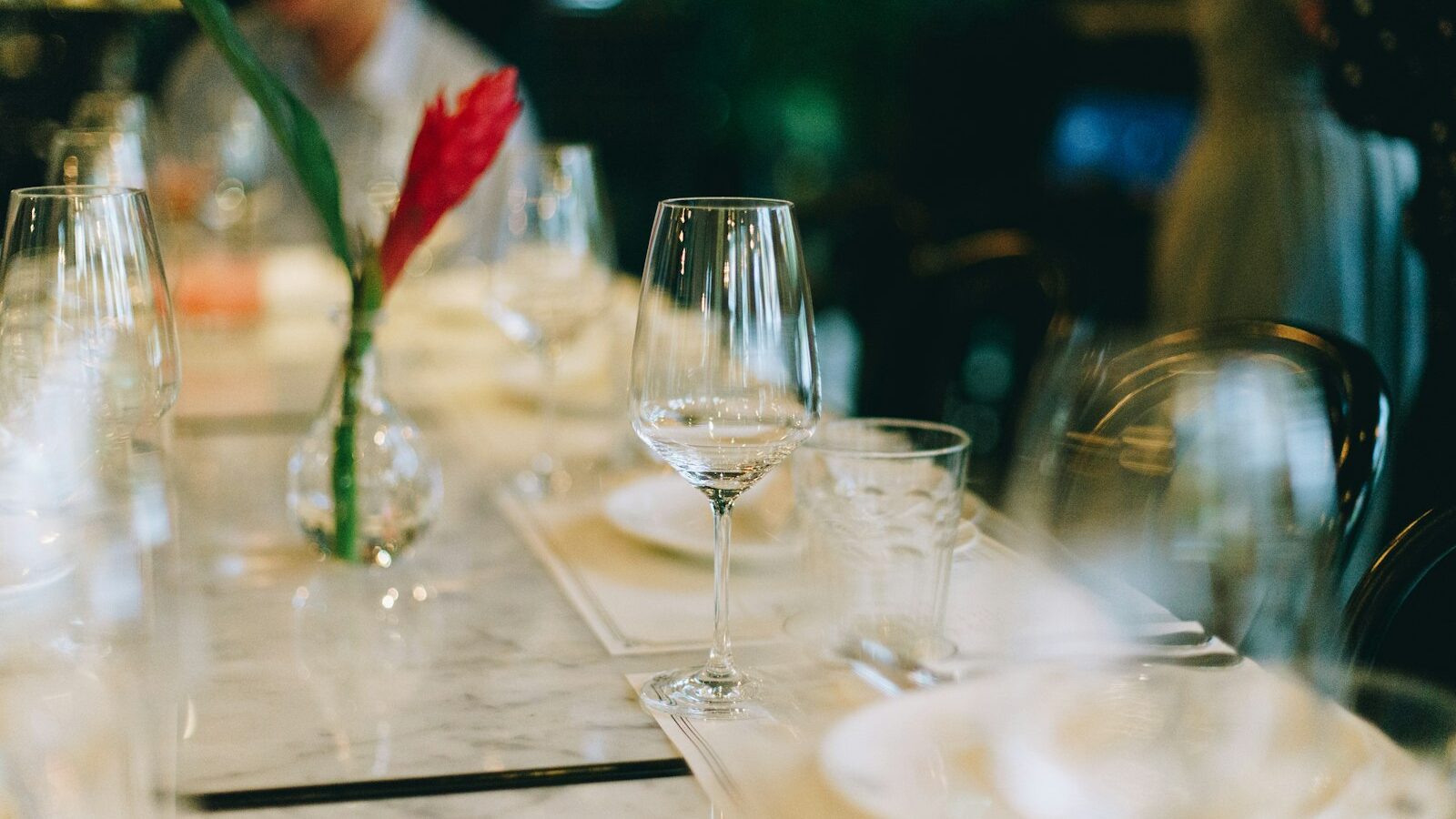
Hosting a dinner party in Singapore can feel daunting when your kitchen is the size of a wardrobe and your dining table doubles as a work desk. But you do not need a big flat, a fancy oven or restaurant skills to feed friends well. A good dinner at home is really about warmth and a bit of planning, not a showpiece menu. The secret every relaxed host knows is that most of the work happens before anyone arrives.
This guide keeps things realistic for HDB and condo living: a small kitchen, one or two hobs, and a group of hungry friends. The aim is a night where you actually get to sit down and enjoy your own party.
Plan a Menu You Can Actually Cook
The most common hosting mistake is an ambitious menu that leaves you sweating in the kitchen while your guests chat without you. Pick dishes that mostly cook themselves or can be made ahead, and keep the number of hot, last-minute items to one.
A friendly structure for a home dinner:
- One make-ahead main that reheats well, like a braise, curry or a big traybake.
- One or two sides that are cold or room temperature, so they wait patiently.
- A simple starter that needs no cooking, like a plate of cut vegetables and dip, or good bread.
- A dessert you bought or made the day before.
Cook to your strengths, not to impress. A well-made version of a dish you know beats a shaky attempt at something new in front of an audience. If you love a good curry, build the night around it. Braises, stews and roasts are your friends here because they taste better made ahead and only improve as they sit.
Ask about allergies and dietary needs when you invite people. Common ones to check are shellfish, nuts, egg, dairy and gluten, and it is easy to set aside a portion before you add an ingredient someone avoids.
Do the Work Before Guests Arrive
Relaxed hosting is mostly about front-loading. The more you finish early, the more present you can be when the doorbell rings.
A rough timeline that keeps things calm:
- The day before: shop, make the dessert, and cook anything that reheats, like a braise or sauce.
- The morning of: chop vegetables, marinate proteins in the fridge, and set the table.
- Two hours before: cook or reheat the main, prep the sides, and tidy the kitchen.
- Thirty minutes before: put out drinks and snacks, and do only the final touches once people arrive.
Marinate and store everything in the fridge, never on the counter, since our heat spoils food fast. Reheat make-ahead dishes until they are piping hot all the way through, not just warm on top.
Here is a simple way to think about which dishes carry the load and which cause stress:
| Dish type | When to cook it | Hosting stress level |
|---|---|---|
| Braise, curry or stew | Day before, reheat gently | Low, tastes better made ahead |
| Traybake or roast | Slot into the oven before guests arrive | Low, mostly hands-off |
| Cold sides and salads | Morning of, dress before serving | Low, waits happily |
| Stir-fry or fried dishes | Only if you truly want to cook live | High, needs last-minute attention |
| Dessert | Bought or made a day ahead | Low, one less thing to think about |
If you look at that and pick mostly from the low-stress rows, you have already won half the battle.
Work Around a Small Kitchen
Small-kitchen hosting is a real constraint, but it is very workable once you plan around it. The two things you will run short on are hob space and fridge space.
- Lean on your oven, rice cooker and slow-cooked pot to free up the hobs.
- Serve some dishes at room temperature so not everything needs to be hot at once.
- Clear fridge space the day before by finishing up leftovers and moving drinks to a cooler with ice.
- Wash up as you go, or stack neatly and hide it, so the kitchen does not overwhelm you mid-party.
- Serve family style in the middle of the table. It is friendlier and saves you plating each dish.
Do not feel you must match a restaurant. Mismatched plates, a shared pot in the centre and a crowded little table are exactly what a home dinner should feel like. Borrow extra chairs or bowls from a neighbour if you are short.
Drinks, Setting and Keeping It Warm
You do not need a cocktail menu. Offer one easy option and let people help themselves. A big jug of iced tea or a citrus cooler, plus whatever people bring, covers most gatherings. Keep plenty of ice and cold water going, because our climate makes guests thirsty.
For the table, a clean cloth, a few tealights and serving spoons already laid out do more than any elaborate centrepiece. Put water and napkins within reach so you are not jumping up constantly.
To keep food warm without fuss, a covered pot on the lowest hob setting, a warmed oven turned off, or simply serving straight from the cooking pot all work fine. Time the rice so it finishes just before you sit down.
Enjoy Your Own Party
The whole point of hosting a dinner party is to spend time with people you like, so protect that. Once guests arrive, resist the urge to keep fussing. Put out the food, sit down, and let the meal be a bit imperfect. Nobody remembers whether the vegetables were slightly overdone. They remember that they felt welcome and fed.
Accept help when it is offered. Someone can pour drinks or carry plates while you handle the food. Keep dessert and coffee or tea simple so the end of the night winds down gently rather than sending you back into a frantic kitchen.
Your first time hosting will not be flawless, and that is completely normal. Start with a small group, keep the menu short, and let each dinner teach you what to do differently next time. The more you host, the easier and more fun it gets.
Explore more
A relaxed dinner leans heavily on make-ahead cooking, so our guide to easy one-pan meals for busy weeknights and tips to cook with less food waste at home both help you plan and use up party leftovers. Before guests arrive, learn how to plate and photograph your food so your dishes look as good as they taste.