
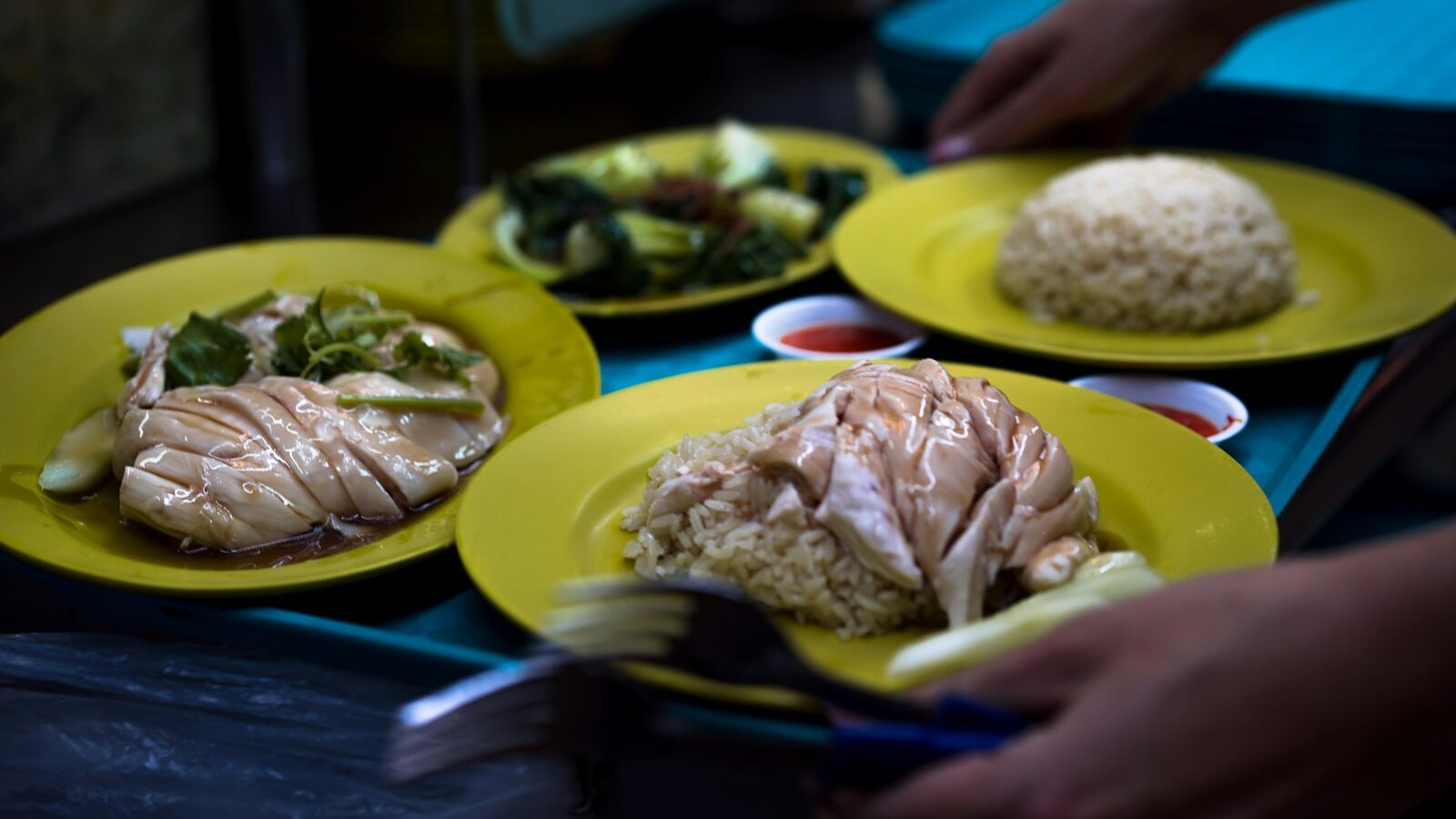
You cooked something good, and you want it to look as good as it tastes, whether for the family group chat, your own feed, or just the quiet satisfaction of a beautiful plate. Getting food plating in Singapore right is not about restaurant tweezers and foam. It is about a few simple habits that make home food look intentional, plus knowing how to use the one camera you always have, your phone. The best part is that better plating usually makes food nicer to eat too.
This guide covers plating and photography together, because they work as a pair. Good plating gives the camera something to love, and good light does the rest.
Plate With Intention, Not Fuss
The single biggest upgrade to any home plate is leaving a bit of empty space. Home cooks tend to fill the plate to the edge, which looks busy. A slightly bigger plate with the food gathered in the centre instantly looks more considered. You do not need new crockery, just choose your largest plain plate.
A few plating habits that work for everyday food:
- Build a little height. A small mound of rice or a stacked portion reads better than a flat spread.
- Keep it to an odd number of pieces, like three prawns rather than four, which the eye finds more natural.
- Wipe the rim clean with a cloth before serving, since a smudged edge undoes everything.
- Add one pop of colour: a scatter of spring onion, a red chilli, a wedge of lime, a few coriander leaves.
- Put the sauce down first or spoon it neatly, rather than drowning the whole plate.
Even a bowl of noodles or a plate of economic rice benefits from these. Gather it, tidy the edges, and top it with something green or fresh. The dish looks cared for, which is really what plating communicates.
Chase the Light
If you remember only one thing about food photography, make it this: natural light beats everything. Our harsh midday sun can be too strong, but the soft daylight near a window, especially in the morning or late afternoon, makes food look fresh and appetising. Move your plate to the brightest window you have, even if that means eating in a slightly odd spot.
The rules of thumb:
- Turn off the ceiling and kitchen lights, since our warm yellow HDB bulbs turn food muddy and orange.
- Never use the phone flash on food. It flattens the dish and casts a hard shadow.
- Position the plate so the light comes from the side or slightly behind, which gives the food shape and texture.
- If one side is too dark, prop a white plate, a sheet of paper or a torn-open envelope opposite the window to bounce light back.
Side and back light is what makes steam, glaze and crisp edges look real. Light hitting the food flat from the front, like a straight-on flash, kills all of that.
Work Your Phone Camera
Your phone is more than good enough. The trick is a few small settings and steady hands rather than any special app.
- Tap the screen to focus on the hero part of the dish, like the yolk or the seared edge.
- After tapping, slide the little brightness control down slightly. Phones tend to overexpose food, and a touch darker looks richer.
- Wipe the lens first. A greasy kitchen lens is behind more blurry food photos than anything else.
- Shoot in your camera app rather than inside a social app, which usually gives a better image to work with.
- Keep the phone steady, brace your elbows on the table, and take several frames so you can pick the sharpest.
Two reliable angles cover almost every dish. Shoot straight down from above for flat spreads like a table of dishes, a pizza or a noodle bowl. Shoot at a low forty-five degree angle for food with height, like a burger, a stack or a bowl of laksa where you want to see into it. When in doubt, try both and compare.
Here is a quick guide to matching the angle and setup to the dish:
| Dish | Best angle | Why it works |
|---|---|---|
| Flat spread or full table | Straight down from above | Shows everything laid out neatly |
| Noodle or rice bowl | Above or a high angle | Reveals the toppings and colour |
| Burger or layered stack | Low 45 degree angle | Shows the height and layers |
| Soup or laksa | Slight angle into the bowl | Lets you see the depth and steam |
| Drinks and desserts | Eye level or 45 degrees | Captures the glass, garnish and shine |
Use it as a starting point, then move around the plate. The best angle is often one small shift away from your first guess.
Style Without Faking It
A little styling helps, and you can do it with what is already on the table. Shoot the food fresh, because it looks best in the first minute or two. Green herbs wilt, sauces dry out and hot food loses its steam fast in our heat, so have the phone ready before you plate.
Simple props add life without clutter. A cloth napkin, a pair of chopsticks resting on the bowl, a small side of chilli, or the pan the food was cooked in all suggest a real meal. Keep the background plain and uncluttered, since a messy table pulls the eye away from the food. A wooden table, a plain cloth or even a neutral tray works well.
Do not over-style to the point of dishonesty. Home food should look like home food, generous and real, not stiff and fussy. A slightly messy drip of sauce or a bit of char often looks more appetising than a perfectly wiped plate.
Edit With a Light Touch
A quick edit lifts a photo, but restraint is everything. In your phone’s built-in editor, nudge the brightness up a little if the shot is dark, add a small amount of contrast, and warm or cool it only enough to match how the food really looked. The goal is a photo that makes someone hungry, not one that looks fake.
- Avoid heavy filters that turn everything orange or grey.
- Do not overdo the saturation, since neon-green vegetables look wrong.
- Crop to tidy the edges and bring focus to the food.
- Keep a consistent light style across your photos if you post often, so your feed feels like yours.
Better plating and photos are a habit that builds fast. Start by moving to the window and leaving a little space on the plate, and your food will look noticeably better from the very next meal. Cook it well, plate it with a bit of care, catch the light, and the picture will take itself.
Explore more
Great photos start with food worth showing off, so put these tips to work on a relaxed simple dinner party at home or a batch of quick 30-minute weeknight dinners. If you love a good drink shot, our guide to making bubble tea at home gives you plenty of colour and garnish to photograph.