
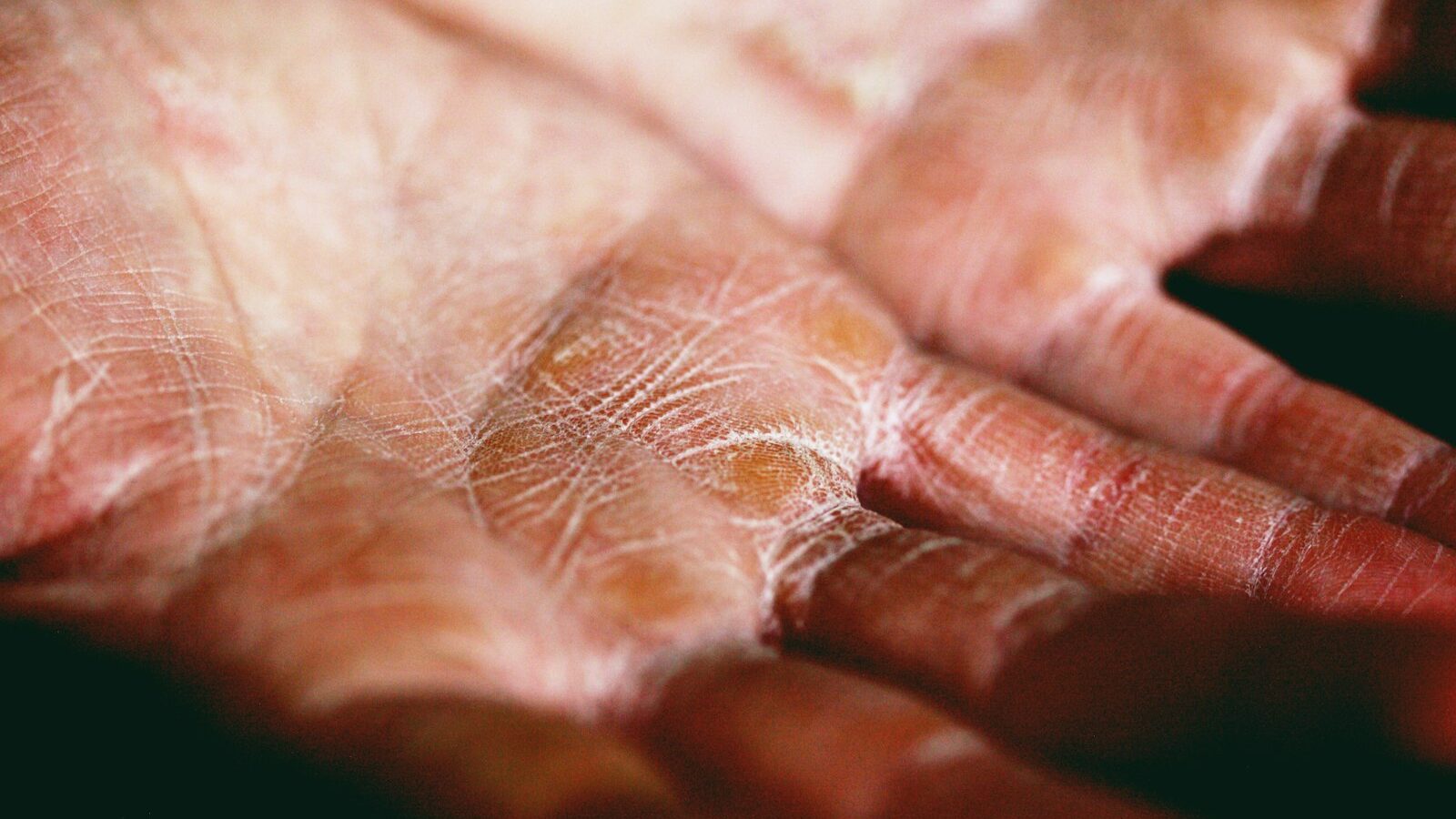
Living with eczema in Singapore comes with a particular twist. In a cold, dry country, the advice is usually about locking in moisture against parched air. Here, the challenge is often the opposite: heat, sweat, and constant humidity that leave skin irritated, itchy, and inflamed. If you or your child deals with eczema in Singapore, understanding how the local climate interacts with the condition is the first step to keeping flare-ups under control.
Eczema, or atopic dermatitis, is a long-term condition where the skin barrier does not work as well as it should. That leaky barrier lets moisture escape and irritants in, which triggers the familiar cycle of dryness, itch, scratching, and inflammation. The good news is that with steady daily care and a few climate-smart habits, most people manage it well. This article is general information, not personalised medical advice, so speak with a doctor about your own situation.
Why The Local Climate Matters
Singapore’s warmth and humidity cut both ways for eczema-prone skin. On one hand, humid air means skin is less likely to dry out the way it does in an arid winter. On the other hand, the heat makes us sweat, and sweat is one of the most common eczema triggers there is. Sweat contains salts and other substances that can sting compromised skin, and the simple sensation of being hot and damp makes the itch worse.
Then there is the constant switching between environments. You step out of an air-conditioned office into a wall of humidity, sweat through a bus ride, then sit in a cold, dry cinema. Each swing stresses the skin barrier. Air-conditioning in particular pulls moisture out of the air, so long hours in a chilled room can leave skin drier than the muggy weather outside would suggest.
Other everyday factors stack on top of the climate:
- Sweat and friction from exercise, commuting, or simply moving around in the heat.
- Aircon dryness during long hours indoors at work, school, or home.
- Chlorine and pool water at Singapore’s many swimming complexes.
- Dust mites and other allergens, which thrive in warm, humid homes.
Knowing your personal mix of triggers is more useful than any generic rule, because two people with eczema in Singapore can react to very different things.
Building A Daily Skincare Routine
The foundation of eczema care is a strong, consistent routine, and the single most important habit is moisturising. A good moisturiser rebuilds the skin barrier and reduces water loss, which calms the itch-scratch cycle. In our climate, many people prefer lighter lotions or gel-creams during the day because heavy ointments can feel greasy and trap heat, then a richer cream at night or after a cold-room stint. The best product is the one you will actually apply, generously and often.
A simple, climate-aware approach looks like this:
- Shower in lukewarm, not hot, water. Hot showers feel great but strip the skin and worsen dryness.
- Use a gentle, fragrance-free cleanser. Harsh soaps disrupt an already fragile barrier.
- Pat dry and moisturise within a few minutes. Applying moisturiser onto slightly damp skin helps seal in water.
- Reapply after sweating or swimming. Rinse off sweat and chlorine, then moisturise again.
- Keep a travel-size tube with you. Topping up during the day is easy when the product is in your bag.
Fragrance, alcohol, and strong active ingredients are common irritants for eczema-prone skin, so simpler formulations usually win. If you are unsure what suits you, patch-test a new product on a small area first, and introduce one change at a time so you can tell what helps and what does not.
Managing Flare-Ups And Triggers
Even with a solid routine, flare-ups happen. When skin becomes red, intensely itchy, weepy, or cracked, the priority is to calm the inflammation and break the scratching cycle without damaging the skin further. Keep nails short, resist scratching where you can, and a cool compress can take the edge off the itch. Loose, breathable cotton clothing helps far more than tight synthetic fabrics that trap sweat and heat.
Beyond the surface, look at your environment. If aircon dries you out, a lower fan speed, a slightly higher temperature setting, or a bowl of water in the room can help, and moisturising before and after long chilled sessions makes a real difference. At home, washing bedding regularly and reducing dust can lower the allergen load in a humid house.
Different triggers call for different responses, and the table below sums up common ones in the local context:
| Trigger | How it affects skin | Practical response |
|---|---|---|
| Sweat and heat | Stings skin, drives itching | Rinse off, moisturise, wear breathable cotton |
| Air-conditioning | Dries the skin barrier | Moisturise before and after, avoid very cold settings |
| Pool chlorine | Irritates and dries skin | Rinse promptly, reapply moisturiser after swimming |
| Fragrance and harsh soaps | Trigger irritation | Switch to gentle, fragrance-free products |
| Dust mites | Provoke allergic flares | Wash bedding often, reduce dust at home |
Persistent or severe flare-ups need medical input rather than trial and error. A doctor can assess how active the condition is, discuss suitable treatment options, and rule out complications such as skin infection, which needs prompt attention. Do not guess at prescription treatments or borrow someone else’s, and confirm any health guidance with a qualified professional. The Health Promotion Board (HPB) is a reliable source for general skin-health information, and you can check its current resources online.
Everyday Habits That Help
Small, sustainable choices add up. Staying well hydrated, choosing loose cotton over clingy synthetics, and showering soon after a sweaty workout all reduce the load on your skin. For children with eczema, keeping fingernails trimmed and turning the routine into a calm daily ritual makes it easier to keep up. Stress and poor sleep can worsen flare-ups too, so looking after your general wellbeing is part of managing the skin.
Perhaps the most important mindset shift is to treat eczema as something you manage steadily rather than cure overnight. The climate here is not going to change, but your habits can adapt to it. With consistent moisturising, awareness of your triggers, and timely help when a flare gets out of hand, most people with eczema in Singapore keep their skin comfortable and their confidence intact.
As a reminder, this article offers general information only and is not a substitute for personalised medical advice. If your eczema is severe, spreading, or not improving, see a doctor.
Explore more
For more on daily skin habits in our weather, read our guide to skincare for a humid climate and our tips on caring for sensitive skin. If flare-ups persist, it may be worth seeing one of the dermatologists in our Singapore guide.