
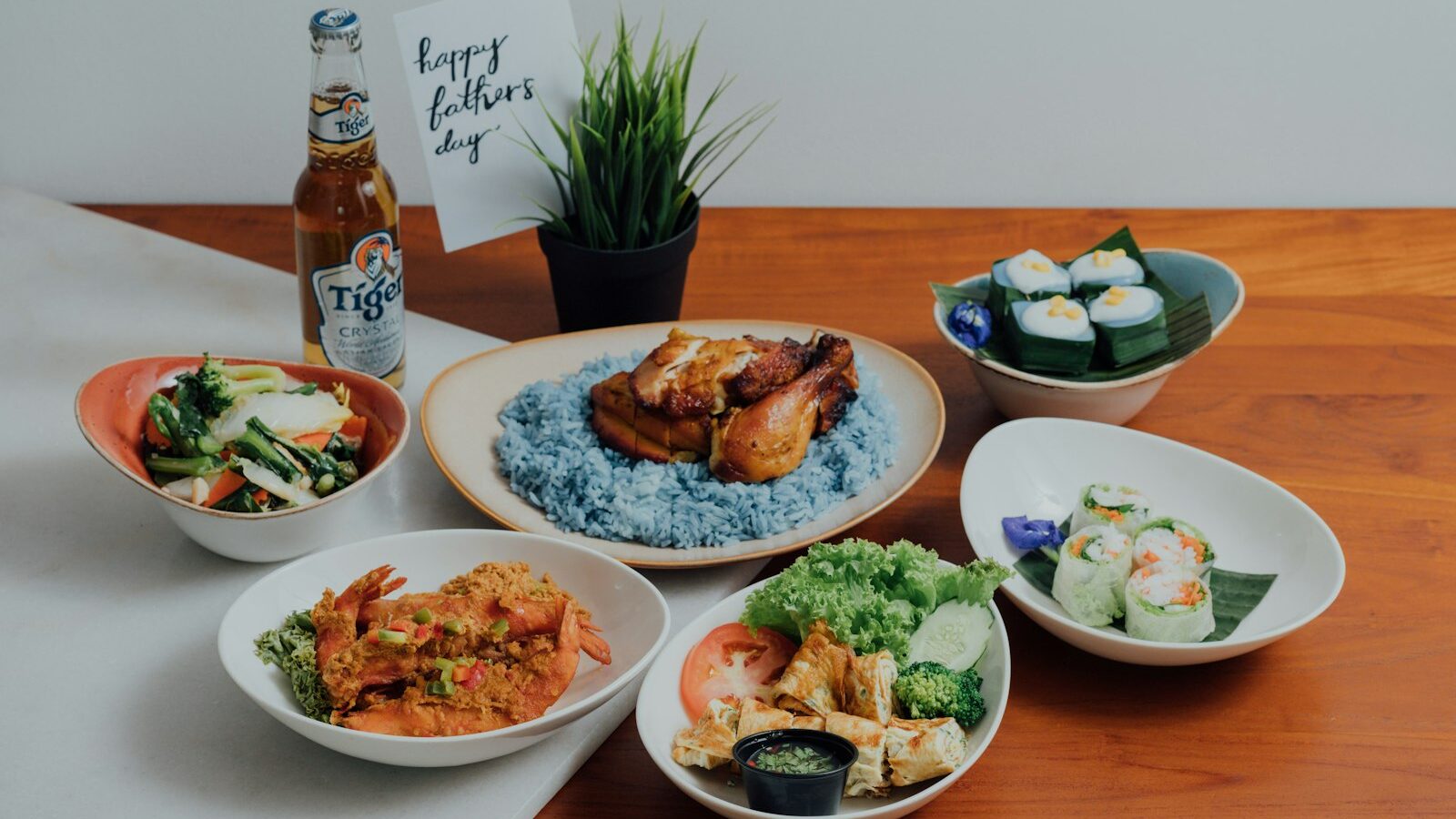
For a country famous for importing most of what it eats, the idea of farm to table singapore dining can sound almost contradictory. Yet a growing number of kitchens across the island are building menus around produce grown, reared or harvested close to home, or sourced transparently from farms whose stories they can tell. The appeal is easy to understand. Food tastes better when it is fresh, you know where it came from, and the whole meal feels more honest for it. This guide explains what the term really means, what you can expect when you sit down, and how to choose a venue that lives up to the label.
Farm-to-table is as much a philosophy as a style of cooking. At its best it connects the person eating with the people growing, and it asks the kitchen to work with the seasons rather than against them. Understanding that helps you order well and enjoy the experience for what it is.
What Farm-to-Table Actually Means
The phrase describes a way of sourcing food that keeps the distance between the field and the plate as short as possible. Instead of ordering a fixed list of ingredients from wholesalers all year round, a farm-to-table kitchen builds its menu around what is available, ripe and at its best right now. That might mean leafy greens from a local vertical farm, herbs from a rooftop garden, eggs from a named producer, or fish landed by a regional supplier the restaurant works with directly.
Singapore’s context gives the idea its own flavour. Land is scarce, so much of the local growing happens in high-tech indoor farms, hydroponic systems and rooftop plots rather than sprawling countryside. Some restaurants grow herbs and microgreens on site. Others partner with nearby farms in the region and are upfront about the fact that not everything can be local, choosing instead to be selective and transparent about where each ingredient comes from. Both approaches sit comfortably under the farm-to-table umbrella when they are done with genuine intent.
What you should not expect is a rigid rulebook. There is no single certification that guarantees a plate is farm-to-table, which means the term is sometimes used loosely for marketing. The useful signal is not the label itself but whether the kitchen can tell you, specifically and without hesitation, where the key ingredients come from.
What to Expect When You Dine
A meal at a serious farm-to-table restaurant tends to feel a little different from a standard night out. Menus are often shorter and may change frequently, sometimes weekly or even daily, because they follow supply rather than dictating it. You might find a chalkboard of the day’s produce, a tasting menu that leaves ingredient choices to the kitchen, or a note explaining why a favourite dish is off for now. Treat that changeability as a feature. It is the honest consequence of cooking with what is genuinely available.
Portions and presentation lean towards letting the ingredients speak. A dish may be simply prepared so that the freshness of the vegetable or the quality of the protein carries it, rather than being buried under heavy sauces. Vegetables often take a leading role rather than a supporting one, which makes these venues rewarding for anyone eating more plants.
Prices can sit above those of a casual eatery. Working with smaller producers, buying in shorter supply chains and changing menus constantly all cost more than bulk ordering, and that shows up on the bill. Whether it feels worth it depends on how much you value the sourcing and the flavour. Many diners find that a smaller, fresher, more thoughtfully sourced meal satisfies more than a larger, more anonymous one.
How to Choose a Venue
Because the label is unregulated, a little homework goes a long way. Start by reading how a restaurant describes its sourcing on its own website or menu. Vague claims about being fresh and local tell you little. Specific ones, naming farms, suppliers or growing methods, tell you a great deal. A kitchen proud of its sourcing usually cannot help talking about it.
When you arrive, do not be shy about asking. Good questions include where today’s greens came from, whether anything is grown on site, which dishes are the most seasonal right now, and what the kitchen recommends given what just arrived. Staff at a genuine farm-to-table venue tend to enjoy these conversations, and their answers reveal quickly whether the sourcing story is real or decorative.
Keep your own expectations flexible. Book ahead where you can, since smaller kitchens with limited covers fill up, and check current opening hours and menus before you go, as both change with the seasons. If a particular ingredient or dish drew you in, ring ahead to confirm it is available, because the whole point of this style is that today’s menu may not match last week’s.
The comparison below sets farm-to-table against a couple of adjacent ideas so you can tell them apart.
| Approach | Core idea | What to look for | Menu style |
|---|---|---|---|
| Farm-to-table | Short supply chain, seasonal and local sourcing | Named farms, on-site growing, honest sourcing story | Changes often, follows the season |
| Organic-focused | Ingredients grown without synthetic inputs | Credible certification or supplier details | Can be stable year round |
| Standard restaurant | Consistency and availability first | Reliable favourites, wide choice | Fixed, changes rarely |
Farm-to-table is not about ticking a box or chasing a trend. It is about eating food that carries a clear sense of where it came from, prepared by people who cared enough to source it well. Come with an open mind, ask a few honest questions, and let the season decide part of your order. Confirm details and book ahead, and you are set for a meal that tastes of somewhere real.
Explore more
Best Fine Dining
Restaurants for Special Occasions
Best Brunch
Best Cafes in Singapore