
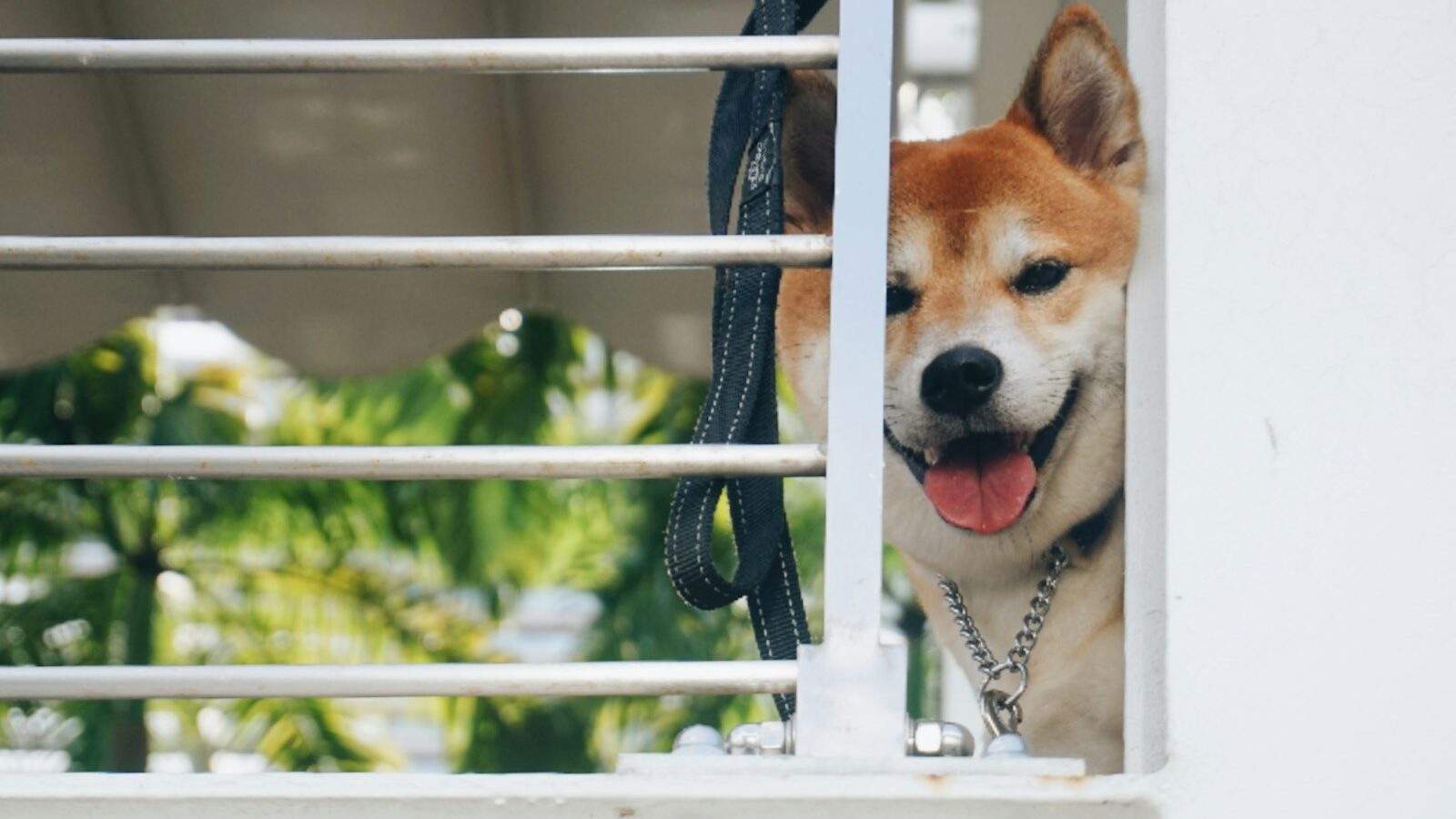
Renting a home when you share your life with a dog, cat or other companion adds an extra layer to the search, but it is very doable with a little planning. Finding a pet friendly rental Singapore has to offer is mostly about knowing the rules, being upfront with landlords, and presenting yourself as a responsible, considerate tenant. This guide covers HDB pet rules, getting written consent, the deposits involved, and how to keep both your landlord and your neighbours happy once you move in.
The most important principle is honesty from the start. Trying to hide a pet almost always ends badly, with a strained relationship, a lost deposit or even having to move out. Being open about your companion, and showing that you will care for the property, opens far more doors than it closes.
Know the Rules: HDB Flats and Condominiums
If you are renting an HDB flat, the type of pet matters. HDB permits cats in flats only under specific conditions that have been evolving, so check the current HDB position before assuming, and for dogs there is an approved list. Only certain dog breeds are allowed in HDB flats, and generally one approved dog is permitted per flat. The approved breeds are smaller and considered more suited to flat living, so if you own a larger or non-approved breed, an HDB flat may not be the right fit and a private property could suit better. Always verify the latest approved list and licensing requirements, as rules are updated from time to time.
Dogs in Singapore must also be licensed with the Animal and Veterinary Service (AVS), and licensing is tied to keeping your pet’s details and rabies-free status in order. Keeping your licence current is part of being a responsible owner and is something a careful landlord may ask about.
Private condominiums set their own pet policies through the management corporation, and these vary widely. Some are very welcoming, others restrict the number or size of pets, and a few do not allow them at all. Before falling in love with a unit, ask the agent to confirm the condo’s pet by-laws in writing. For landed and private housing, the main consideration is usually the landlord’s own preference rather than a blanket rule.
Getting Written Consent and Handling Deposits
Whatever the property type, the golden rule is to get the landlord’s permission in writing before you sign or move in. Many standard tenancy agreements include a clause about pets, and you want it to clearly state that your specific pet is allowed. A verbal yes is easily forgotten or disputed later, so ask for it in the agreement or in a written message you can keep.
When you approach a landlord or agent, present your pet in the best light. Mention the breed and size, that the animal is licensed and vaccinated, house-trained, and that you are happy to keep to house rules. Some tenants prepare a short pet resume with a photo, vaccination record and a reference from a previous landlord, which can reassure an unsure owner. It shows you take responsibility seriously.
Deposits work as they do for any tenancy, typically a security deposit of one month’s rent for a one-year lease, or more for a longer term, though the exact amount is negotiable. A landlord who is nervous about a pet may ask for a slightly higher deposit or an added clause covering pet-related damage. This is reasonable, but keep it fair and make sure any such terms are written down. The deposit is returned at the end of the tenancy provided the home is handed back in good order, so treat it as an incentive to keep the place well.
Here is a quick checklist to work through as you search and secure a home.
| Step | What to do |
|---|---|
| Check the rules | Confirm HDB breed list or condo pet by-laws |
| Licence your pet | Keep AVS dog licence and vaccinations current |
| Be upfront | Tell the agent and landlord about your pet early |
| Get it in writing | Ensure the tenancy allows your specific pet |
| Agree the deposit | Clarify any pet clause and keep terms fair |
Being a Responsible Pet-Owning Tenant
Securing the home is only the beginning; keeping it, and your good name, depends on how you look after the place and your neighbours. Protect the property by using mats or covers where pets rest, keeping nails trimmed to spare floors and doors, and cleaning up any accidents promptly. Regular grooming and parasite prevention keep both the home and your pet in good shape.
Good neighbourliness matters just as much. Keep your dog from barking excessively, always clean up after it in shared areas and lifts, and keep it on a lead in common corridors. Follow the community’s rules on where pets may go. A pet that is well behaved and an owner who is considerate do more than anything to keep landlords and neighbourhoods open to renters with animals, which helps the next pet owner too.
At the end of the tenancy, give the home a thorough clean and address any minor pet-related wear before the final inspection. Returning the property in good condition protects your deposit and earns you a reference that will make your next pet-friendly search far easier.
It helps to give yourself extra time when searching for a pet-friendly place, as the pool of willing landlords is naturally smaller and the right match may take a few more viewings. Working with an agent who understands you are searching with a pet can save effort, as they can filter out unsuitable units before you visit. When you do find a promising home, think about practicalities beyond the landlord’s consent, such as whether there is a lift for a larger dog, nearby green space for walks, and flooring that will cope with claws. A home that genuinely suits your pet’s needs makes daily life easier and reduces the chance of wear that could affect your deposit later.
With honesty, the right paperwork and a responsible attitude, sharing a rented home with your companion is entirely within reach. Do your homework on the rules, put everything in writing, and be the kind of tenant that makes landlords glad to say yes to pets. Both you and your furry friend will settle in happily.
Explore more
Renting in Singapore Guide
Finding a Home in Singapore
Owning a Dog in an HDB Flat
Owning a Pet