
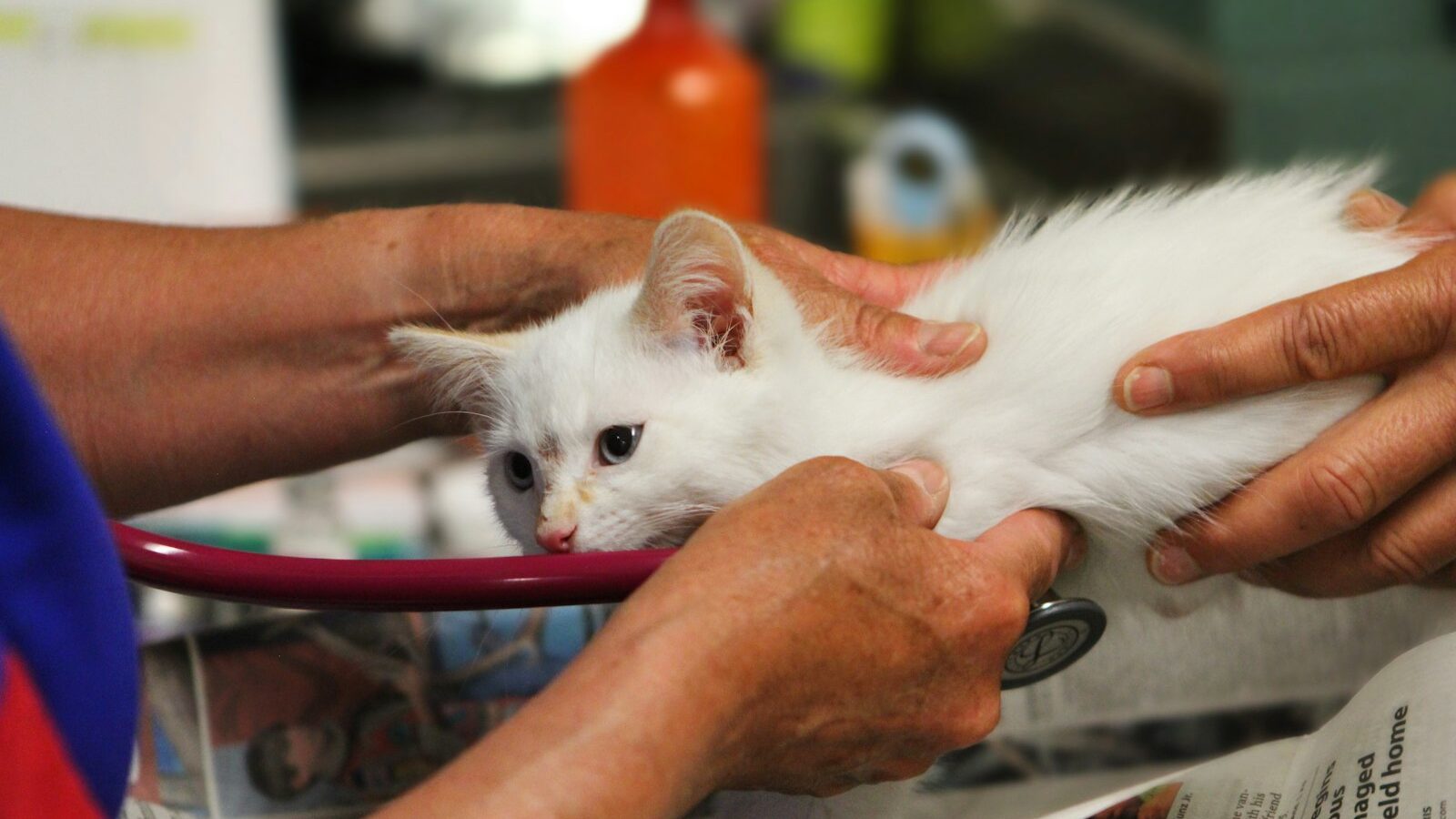
Bringing a cat into your home is a wonderful thing, and knowing how the pet cat vet Singapore system works will help you do it responsibly. Cats are popular companions here, but there are rules around where they can be kept, how they should be licensed, and how you care for their health. For newcomers from mainland China, some of these requirements may be new, so it is worth understanding them before you welcome a cat into your family.
This is general information to help you get started. It is not veterinary advice. For anything about your cat’s health, and for the current official rules, always consult a licensed vet and the Animal & Veterinary Service (AVS), which oversees pet ownership matters here.
Where you can keep a cat: HDB and other housing
The first thing to check is whether cats are allowed in your home, because this depends on where you live.
Historically, keeping cats in HDB flats sat in an awkward position under the rules, and this area has been changing. Authorities have been moving towards a framework that allows cats in HDB flats under a licensing scheme, with conditions attached. Because these rules have been evolving, you must verify the current position for yourself rather than relying on what a friend told you a year ago. Check the latest guidance from HDB and AVS before you commit to a cat, so you know exactly what is required of you.
If you live in a condominium or private property, cats are generally allowed, but you should still confirm any rules set by your building’s management or your tenancy agreement. Landlords often have their own conditions about pets, so raise this early if you are renting.
Whatever your housing, responsible ownership includes keeping your cat safely indoors or properly supervised. Fitting sturdy mesh to windows and balconies is one of the most important safety steps any cat owner here can take, as falls from height are a real and preventable danger.
Licensing and microchipping
Singapore has been moving towards formal licensing and identification for pet cats, in line with the wider approach to responsible pet ownership.
Expect requirements around licensing your cat and having it microchipped so it can be identified and traced back to you. A microchip is a tiny implant, placed by a vet, that carries a number linked to your contact details. It greatly improves the chance of a lost cat finding its way home, and it supports responsible ownership generally.
Because the exact requirements, any transition timelines, and the process are set by AVS and can change, look up the current rules directly rather than assuming. Do not invent your own arrangement. Registering and identifying your cat properly is part of being a responsible owner and, where required, a legal obligation.
Choosing a vet
Your vet will be your most important partner in keeping your cat healthy, so choose one thoughtfully.
Look for a clinic that is reasonably close to home, because a nearby vet is much easier to reach in an emergency. Ask about opening hours and what happens after hours, since not every clinic runs a night service and you may need to know where the nearest emergency provider is. Read reviews, but also visit if you can, and see how the staff handle animals and answer your questions.
A good first visit sets the tone. A vet will typically give your cat a health check, talk to you about vaccinations, parasite prevention, and neutering, and answer questions about diet and behaviour. Neutering is widely encouraged as part of responsible ownership, as it prevents unwanted litters and can help with certain health and behaviour issues. Ask your vet what they recommend for your particular cat.
Build a relationship with one clinic where possible, so your cat’s history stays in one place and the vet gets to know your animal over time. Keeping consistent records also makes it easier to spot changes in your cat’s health early, which often leads to simpler and cheaper treatment.
It also helps to prepare for how you will transport your cat safely to the clinic. A proper carrier, rather than carrying a cat loose, keeps both the animal and you safe during the journey, and many cats settle better in an enclosed space. Introduce the carrier gently at home before the first trip so your cat does not associate it only with stressful visits.
Costs to expect
Owning a cat costs more than many first time owners assume, and planning for it prevents difficult situations later. Because fees vary widely between clinics and change over time, we will not quote figures here. Instead, budget for these broad categories and ask clinics directly for their current prices.
| Cost area | What it covers | How often |
|---|---|---|
| Initial setup | Microchip, first vaccinations, neutering, licensing | Mostly one time, early on |
| Routine care | Health checks, booster vaccinations, parasite prevention | Regular, often yearly |
| Everyday supplies | Food, litter, scratching posts, toys | Ongoing |
| Unexpected illness or injury | Treatment, medication, possible surgery | Unpredictable |
Because unexpected veterinary bills can be large, some owners look into pet insurance or set aside a dedicated savings buffer. Whichever you choose, having a plan for emergencies means you can focus on your cat’s care rather than the cost at a stressful moment.
Being a responsible owner
Responsible cat ownership goes beyond the paperwork. It means keeping your cat safe indoors with secured windows, feeding it properly, keeping its litter and living area clean, and giving it attention and enrichment so it does not become bored or stressed. It also means being considerate of neighbours, since a well cared for indoor cat is far less likely to cause any nuisance.
Think carefully before taking on a cat, because they can live for many years and depend on you for that whole time. If you travel often, arrange proper care in advance rather than leaving a cat alone for long stretches. A cat that is well looked after will reward you with years of companionship.
If you are ever unsure about a rule, a health question, or your cat’s behaviour, ask your vet or check with AVS. It is always better to ask than to guess.
Explore more
How to Be a Good Neighbour
How to Budget for Life in Singapore
Dengue Prevention at Home