
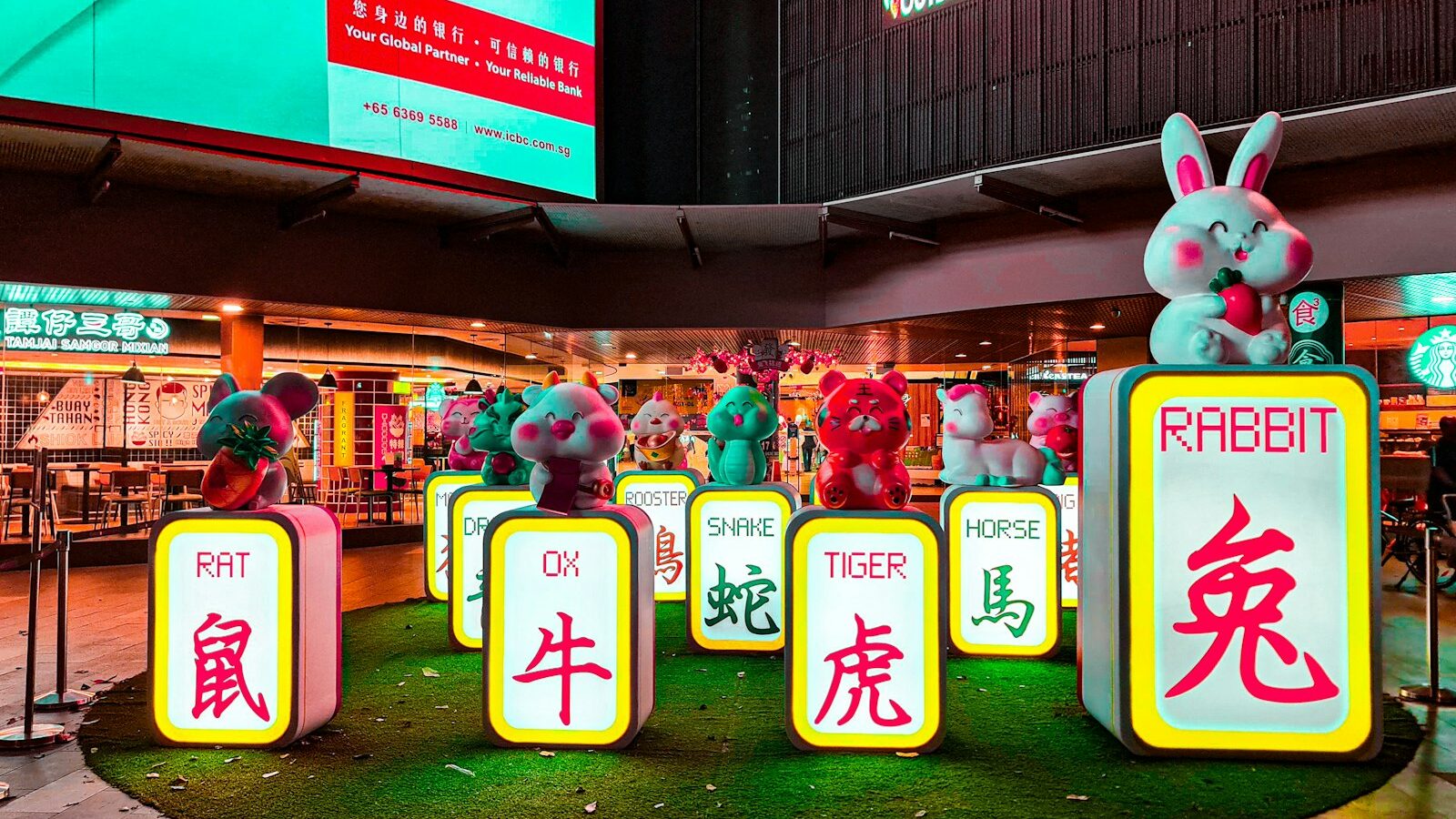
When you first arrive, one of the quiet surprises is how much you miss the familiar sound of home in the background: a drama playing on the TV, a favourite variety show, a radio host who talks the way people back home talk. The good news is that finding Chinese entertainment Singapore offers is genuinely easy, because a large share of the population is Chinese and Mandarin is one of the country’s official languages. You do not have to choose between staying connected to Chinese culture and settling into local life. This guide walks through where to find Mandarin TV and radio, streaming and apps, books and libraries, singing and live shows, cinema, and the online communities that help newcomers feel at home. It is practical and neutral, and it gently notes where things work differently from the mainland.
Mandarin Television and Radio
Singapore has its own long-running Chinese-language broadcast scene, so you are never short of something local to watch or listen to. The national broadcaster runs dedicated Mandarin free-to-air channels carrying local dramas, news, variety and lifestyle programming, alongside imported shows. The accent and slang lean towards Singaporean Mandarin, which mixes in English, Hokkien and Malay words, so it can sound a little different from what you are used to. Treat that as part of the fun and a fast way to pick up how people actually speak here.
For radio, there are several Chinese-language stations covering pop music, talk, news and traffic. Many locals keep one on during the commute, and it is one of the gentlest ways to tune your ear to local Mandarin. Most stations also stream through their own apps, which is handy if you no longer keep a physical radio at home.
A useful contrast for newcomers: back home you may have relied on a single dominant platform for everything. Here, local broadcast content is spread across a few channels and their companion apps, and it sits alongside, rather than replaces, the mainland shows you already follow.
Streaming, Apps and What Works Here
Streaming is where most newcomers spend their evenings, and expectations need a small adjustment. The mainland apps you know may behave differently outside China. Some offer overseas or regional versions with a slightly different catalogue, some content is geo-restricted by licensing, and a few services simply work better on their international editions. Rather than assuming your usual app will run exactly as before, check each service’s official overseas version first and read its terms.
On the subject of getting around regional blocks, be careful and sensible. Using a VPN can raise account, payment and terms-of-service issues, and rules and app availability change over time, so verify what is permitted for each service directly with that provider rather than relying on hearsay. The practical, low-drama route is to lean on the many legitimate options available here.
Those legitimate options are plentiful. Regional streaming platforms carry large libraries of Chinese, Taiwanese, Hong Kong, Korean and local dramas, often with Chinese subtitles. International platforms have expanded their Chinese-language and Asian catalogues significantly. And the local broadcaster’s own on-demand service is free and full of Singaporean Chinese content you will not find anywhere else.
Books, Libraries and Bookstores
If you read for pleasure or want to keep your children reading in Chinese, Singapore is well set up. The National Library Board (NLB) runs a nationwide network of public libraries with sizeable Chinese collections, covering fiction, non-fiction, children’s books, magazines and newspapers. Membership is straightforward for residents, and much of the catalogue extends to e-books and e-magazines you can borrow through the NLB app, including Chinese titles, which is ideal when you are still setting up a home.
For buying, there are established Chinese bookstores as well as the Chinese sections of the larger general bookshops, where you can find mainland, Taiwanese and local publications, stationery and study materials. If your family is navigating Mother Tongue at school, these shops are also a reliable source of assessment books and readers.
Singing, Live Shows and Cinema
Entertainment is not only screens. KTV is popular and easy to find across the island, from family-friendly outlets to late-night rooms, and song libraries are strong on Mandarin, Cantonese and Hokkien hits as well as English and Korean. It is a natural, relaxed way to socialise with new colleagues and friends.
Live culture runs deep too. Mandarin theatre, concerts by visiting and local artists, and Chinese orchestra performances appear through the year at venues around the city. During the seventh lunar month you may come across getai, the lively open-air stage shows that are a distinctly Singaporean part of local Chinese culture and worth experiencing at least once. For film, cinemas here regularly screen Chinese-language releases from the mainland, Hong Kong and Taiwan, often close to their original release dates, usually with English subtitles.
Here is a quick reference for where each kind of Chinese entertainment tends to live.
| Entertainment type | Where to find it |
|---|---|
| Mandarin TV and news | National broadcaster’s free-to-air Chinese channels and its on-demand app |
| Chinese radio | Local Chinese-language stations, live or via their streaming apps |
| Dramas and films (streaming) | Regional and international platforms’ overseas versions, plus the free local on-demand service |
| Books and reading | NLB public libraries and app, Chinese bookstores, Chinese sections of major bookshops |
| Singing | KTV outlets islandwide, from family rooms to late-night venues |
| Live shows | Theatres and concert halls for Mandarin theatre, concerts and Chinese orchestra; getai in the seventh lunar month |
| Cinema | Multiplexes screening mainland, Hong Kong and Taiwan releases with English subtitles |
Staying Connected Online
Beyond formal media, a lot of daily life happens in online communities. WeChat groups are common among newcomers here for neighbourhood tips, buying and selling, and organising meetups. Xiaohongshu has an active Singapore-based community posting about food, shopping, schools, clinics and where to find familiar ingredients, which is genuinely useful when you are still learning the ropes. These spaces make the transition softer, and there is nothing wrong with leaning on them.
A gentle word of balance, though. The most settled newcomers tend to keep one foot in each world. Enjoy your home entertainment and your Chinese-speaking groups, and also let local channels, local shows and local friends into the mix. That is how your Mandarin picks up its Singaporean flavour, how you learn what is happening around you, and how the place starts to feel like home rather than a temporary posting.
Explore More
Staying connected to Chinese culture goes hand in hand with celebrating it, so see our guide to adapting Chinese festivals to life in Singapore for how familiar occasions look here. And if watching shows makes you want to meet people who share your interests, our guide to joining interest groups and clubs in Singapore is the natural next step.