
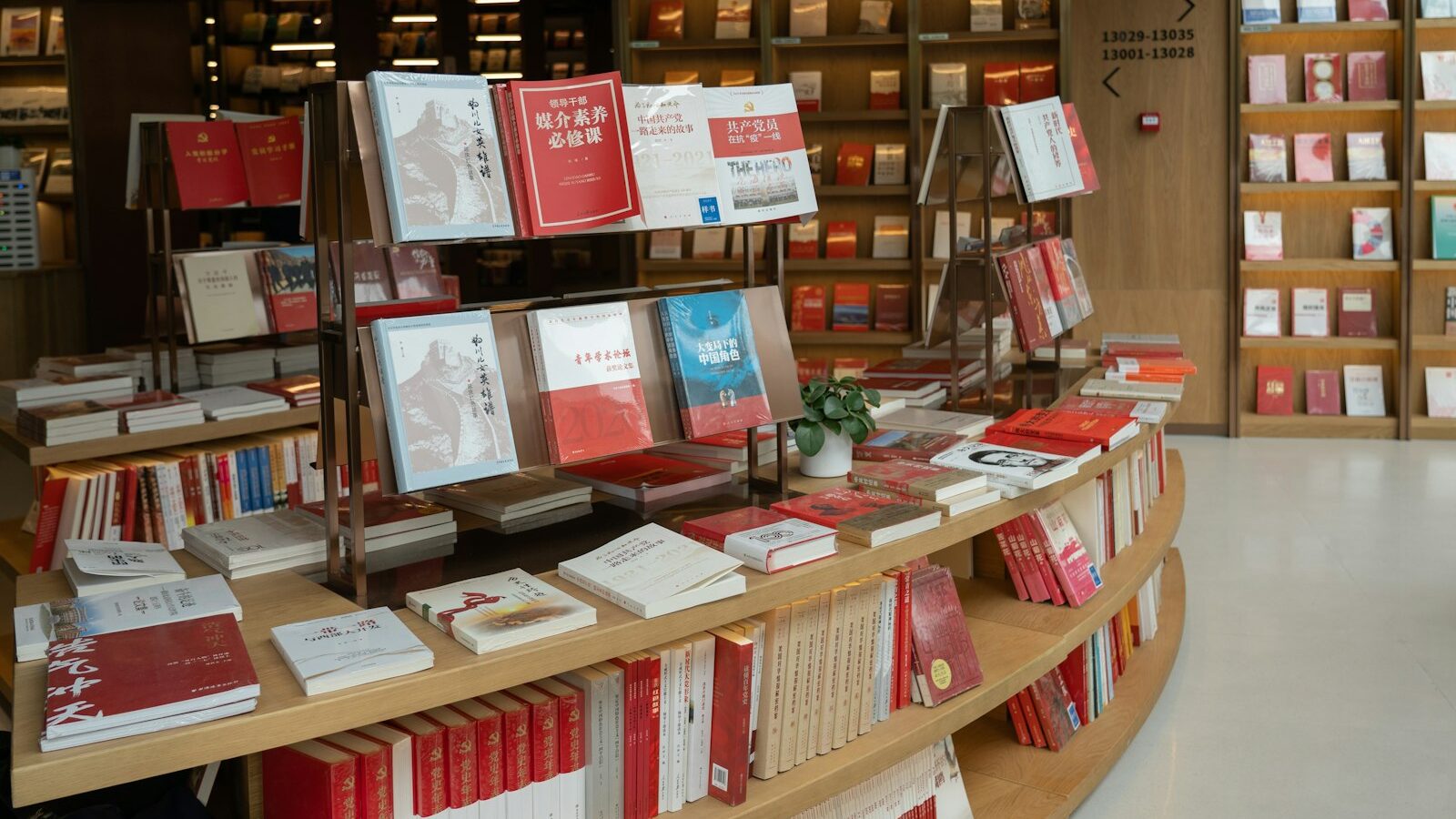
One quiet comfort many newcomers from mainland China miss is browsing a shelf of Chinese-language books. The good news is that Singapore, with its large Mandarin-speaking community, keeps Chinese reading very much alive. From Chinese bookstores Singapore shoppers have known for decades to a national library system with strong Chinese collections and free e-resources, you are never far from something good to read. This guide maps out where to buy books, how the public libraries work, how to get a membership as a PR or foreigner, and where to find others who love reading in Chinese.
Where to Buy Chinese-Language Books
Singapore has both large chains and smaller specialty shops selling simplified and traditional Chinese titles.
- Popular Bookstore. The most familiar name, with branches in malls across the island. Popular carries Chinese fiction, children’s books, study guides and stationery, and it is often the easiest first stop. It is a homegrown chain rather than a mainland one, but the Chinese section will feel comfortable.
- Maha Yu Yi. A long-running Chinese bookseller in the Bras Basah area, historically the heart of Singapore’s book trade. It specialises in Chinese titles, including literature, calligraphy and cultural works, and staff can help you order specific books.
- Specialty and second-hand shops. The Bras Basah Complex is worth a slow afternoon. It houses several independent bookshops, art-supply stores and second-hand dealers, some with deep Chinese sections. You can find older editions, classical texts and calligraphy supplies here.
- Online options. Shopee and Lazada list many Chinese titles from local and regional sellers, and some shops ship from overseas. It is a familiar way to buy if you used Taobao or Dangdang at home, though delivery times vary.
Prices for imported Chinese books can be higher than you were used to on the mainland, since many are shipped in. For everyday reading, the libraries below fill that gap for free.
The Public Library System
Singapore’s public libraries are run by the National Library Board, or NLB, and they are one of the best value things in the country. There are branches in most large towns, often inside or beside a mall, so a visit fits easily into a normal errand run.
What makes them useful for a Chinese-speaking newcomer:
- Real Chinese collections. NLB stocks Chinese fiction, non-fiction, children’s picture books and newspapers. Larger branches and the Central Public Library carry the widest range, and you can request titles from other branches to be sent to yours.
- Comfortable, free spaces. Libraries are quiet, air-conditioned and open long hours, which makes them a fine place to read, study or bring children on a hot afternoon.
- Programmes and storytimes. Many branches run Mandarin storytelling sessions for young children and talks for adults, a gentle way to practise listening and meet people.
If you are used to buying every book you read, borrowing freely from a well-stocked public library is a pleasant change of habit.
Digital Reading and E-Resources
You do not even need to visit a branch to borrow. The NLB Mobile app lets you borrow e-books and audiobooks, including Chinese titles, straight to your phone. Through the library’s digital services you can also read Chinese newspapers and magazines and tap into learning databases, all free with your membership. For a newcomer juggling work and settling in, being able to borrow a Chinese novel at midnight from your sofa is a small daily pleasure.
Search the catalogue in Chinese or English, place holds, and pick up at the branch nearest your home or office. The system is straightforward once your membership is set up.
Getting a Library Membership
Membership is where newcomers sometimes hesitate, so here is the general picture. Rules and fees do change, so confirm the current terms on the NLB website before you go.
- Citizens and PRs can register for membership at no cost.
- Foreigners on longer-term passes can usually join by paying a membership fee, and there may be a deposit. Check the latest amounts and eligibility on NLB’s site.
- Registration is quick, often done at a self-service kiosk or online, and Singpass makes it easier if you already have it set up.
The table below compares buying from a bookstore with borrowing from the library, to help you decide when each makes sense.
| Consideration | Chinese bookstore | Public library (NLB) |
|---|---|---|
| Cost | Pay per book, imports can be pricey | Free to borrow with membership |
| Selection | Newest releases, calligraphy supplies, gifts | Broad range, older and popular titles, request transfers |
| Keeping the book | Yours to keep and annotate | Return by the due date |
| Digital access | Buy e-books separately | Free e-books and audiobooks via the app |
| Best for | Books you want to own or gift | Everyday reading and children’s books |
Many newcomers end up using both: the library for volume reading and the bookstore for the special titles they want on their own shelf.
Finding Others Who Read in Chinese
Reading is more fun shared. A few ways to find fellow readers:
- Library programmes. Watch the NLB events calendar for Mandarin book talks, author sessions and children’s storytimes.
- Community and clan associations. Cultural groups and community clubs, many organised through the People’s Association, sometimes host reading or calligraphy groups.
- Online groups. Local Chinese-newcomer chats and social media groups often share book recommendations and organise informal meetups. It is also an easy, low-pressure way to make friends when you are new.
- Bookshop events. Bras Basah shops and larger Popular branches occasionally hold launches and signings for Chinese titles.
Between the bookstores of Bras Basah, the branches of Popular, and a national library system that puts Chinese books and e-resources within everyone’s reach, keeping up your reading life in Singapore is genuinely easy. Set up your library membership early, download the app, and the language you grew up reading will never feel far away.
Explore more
Books and reading groups are a natural way to settle in socially, so pair this with our guide to making friends as a Chinese newcomer in Singapore for more ideas on building a circle here.